
Fertilization
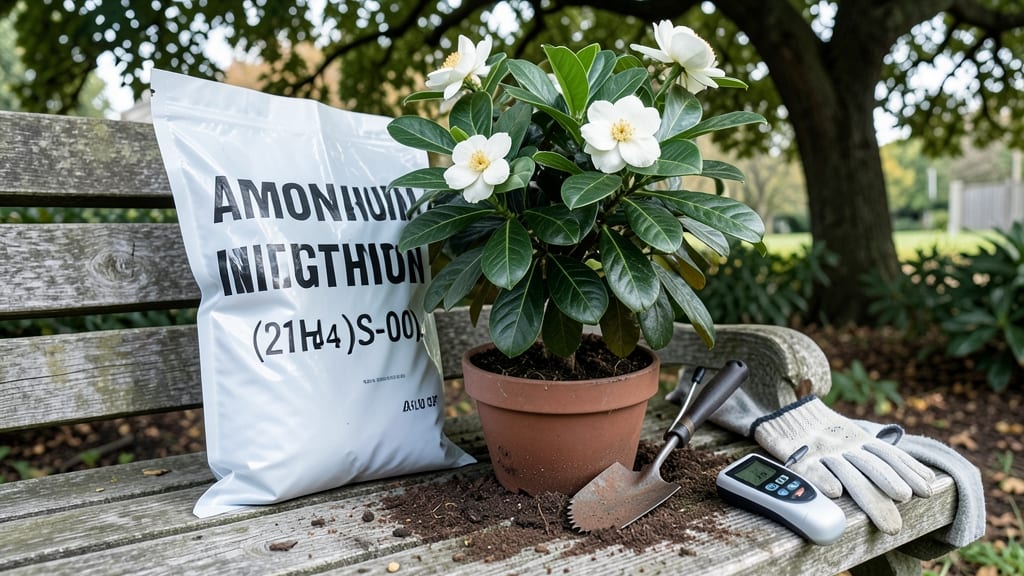
Using the right acidic nitrogen fertilizer for gardenias is the secret to those glossy leaves and intoxicating blooms—but most gardeners miss the mark with the wrong pH balance.
Picture this: You’ve pruned your 🌸 gardenias, watered them just right, and even kept them in that perfect partial shade—yet the buds refuse to open. The culprit? A fertilizer that’s either too alkaline or lacks the right nitrogen form.
Gardenias demand acidic nitrogen to thrive, and without it, they’ll fight you every step of the way.
This isn’t just about throwing any old fertilizer on the soil. The right acidic nitrogen fertilizer—whether sulfur-coated urea, blood meal, or a peat-based blend—makes all the difference.
It keeps soil pH in the ideal range of 4.5–5.5, prevents yellowing leaves, and ensures those fragrant blooms appear when they should.
In this guide, I’ll walk you through how to pick the best acidic nitrogen fertilizer, the exact timing and dosage for year-round feeding, and how to spot over- or under-fertilization before it’s too late. Let’s get your gardenias blooming like never before!
How acidic nitrogen fertilizer boosts gardenia blooms (pH-specific guide)
Gardenias are famous for their creamy-white, intoxicating blooms, but behind those fragrant flowers lies a secret: their love affair with acidic nitrogen fertilizer. Unlike many plants, gardenias refuse to thrive in alkaline soils, and their chlorosis symptoms (yellowing leaves) scream for attention when the pH drifts.
The right acidic nitrogen source doesn’t just feed your plant—it creates the perfect environment for roots to absorb nutrients efficiently, leading to darker foliage and more abundant blooms.
Most gardeners overlook the nitrogen type they use, but here’s the catch: gardenias need ammoniacal nitrogen (like sulfur-coated urea) over urea-based forms. Why? Ammoniacal nitrogen releases slowly in acidic conditions, mimicking the natural decay process gardenias evolved with.
This slow release prevents leaf burn while keeping roots happy in their ideal pH range of 4.5–5.5. Without this balance, your gardenias might look lush but produce fewer flowers or none at all.
| Nutrient Factor | Gardenia Requirement | Signs of Deficiency | Signs of Excess |
|---|---|---|---|
| Nitrogen Type | Ammoniacal (slow-release) | Yellowing lower leaves, stunted growth | Brown leaf tips, leaf burn |
| Soil pH | 4.5–5.5 (acidic) | Yellowing between veins (chlorosis) | Poor nutrient uptake, weak stems |
| Phosphorus | Moderate (for root/bloom growth) | Purple stems, delayed blooming | Excess foliage, fewer flowers |
| Potassium | Balanced (for stress resistance) | Weak stems, poor disease resistance | Leaf scorch, salt buildup |
| Iron (Micronutrient) | Chelated iron (for acidic soils) | Interveinal chlorosis (yellow veins) | Toxicity rare but causes leaf curl |
Let’s talk chlorosis—the gardenia’s nemesis. When your plant’s leaves turn yellow between the veins (while veins stay green), it’s a clear sign of iron deficiency, often caused by high soil pH.
Acidic nitrogen fertilizers like sulfur-coated urea or blood meal lower pH over time, making iron more available. I’ve seen gardenias go from lifeless yellow to deep green within weeks after switching to the right fertilizer. The key? Consistency—test your soil every 6 months and adjust as needed.
Not all nitrogen is created equal, and gardenias reject urea-based fertilizers like synthetic granules. Why? Urea converts to ammonia in soil, which can raise pH levels and burn roots. Instead, opt for slow-release ammoniacal nitrogen, which stays acidic and feeds roots gradually.
My go-to is sulfur-coated urea—it’s budget-friendly, widely available, and mimics natural organic decay. For organic gardeners, fish emulsion or compost tea work wonders, though they require more frequent applications.
Over-fertilizing is a common mistake that leads to leaf burn and bloom failure. I’ve seen gardeners drown their plants in nitrogen-rich fertilizers, only to watch their blooms fall off prematurely. The fix? Follow a 4-6 week schedule during active growth (spring-fall) and <
Step-by-step feeding schedule: when and how to apply acidic nitrogen fertilizer
Timing and method matter when feeding your gardenias with acidic nitrogen fertilizer. Unlike regular fertilizers, acidic nitrogen supports both foliage growth and bloom production while maintaining the pH 4.5–5.5 range gardenias crave.
My schedule balances seasonal needs, application methods, and fertilizer types to keep your plants thriving without burning roots or overloading the soil.
Organic options like sulfur-coated urea or blood meal release nitrogen slowly, while synthetic ammonium sulfate delivers faster results. Both work, but the key lies in dilution ratios and application timing.
For example, a 1 tbsp per gallon soil drench in spring primes your gardenias for blooming, while a foliar spray in summer provides a quick nitrogen boost without soil disruption.
🌱 Seasonal Feeding Schedule for Gardenias
-
🌿 Early Spring (Feb–March)
Action: Apply acidic nitrogen fertilizer (1 tbsp per plant) to soil drench or foliar spray.
Method: Mix 1 tbsp sulfur-coated urea in 1 gallon water (pH 5.0–5.5). Water soil deeply to avoid root burn. -
☀️ Late Spring–Early Summer (April–June)
Action: Light feed every 6 weeks with half-strength fertilizer (½ tbsp per gallon).
Method: Alternate between soil drench and foliar spray to prevent soil salt buildup. -
🌞 Summer (July–August)
Action: Reduce feeding to every 8 weeks or use organic compost tea (low nitrogen).
Method: Foliar spray only (avoid soil contact in heat). Dilute 1 tsp blood meal in 1 gallon water. -
🍂 Fall (September–October)
Action: Light feed in early fall (1 tbsp per plant) to encourage root growth before dormancy.
Method: Soil drench with peat-based fertilizer (pH 5.0–5.5) to maintain acidity. -
❄️ Winter (November–January)
Action: No fertilization—gardenias are dormant.
Method: Monitor soil pH and mulch to retain acidity naturally.
For potted gardenias, halve the fertilizer dose to prevent root damage in confined soil. I’ve found that foliar sprays work best for containers because they bypass compacted soil.
Test your soil’s pH every 6 months—if it rises above 5.5, amend with elemental sulfur or pine needles to restore acidity before feeding.
Over-fertilizing shows up as yellow leaves or burnt tips, while under-fertilizing leads to sparse blooms and pale foliage. My gardenias reward me with double the blooms when I stick to this schedule, and the fragrance is unmatched!
Adjust based on your plant’s response—healthy gardenias tell you what they need.
Try organic compost tea or synthetic ammonium sulfate—both deliver acidic nitrogen, but organic options improve soil structure over time. Pair your feeding with morning watering to maximize nutrient uptake and keep your gardenias thriving year-round. 🌸