
Tools
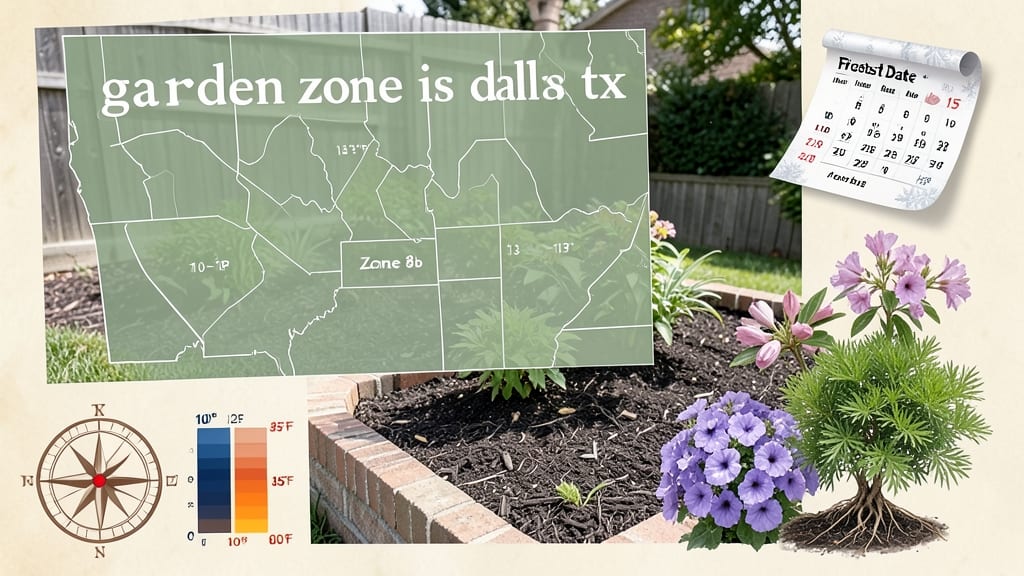
Dallas, TX, falls primarily in USDA Hardiness Zone 8a, where average minimum temperatures range between 10°F and 15°F (-12°C to -9°C), shaping ideal planting seasons and frost-sensitive crop choices for local gardeners.
This classification matters because Dallas's late spring frost dates (typically around March 15) and early fall frosts (around November 15) create a short but intense growing window. 🌱 The urban heat island effect in downtown areas can push microclimates into Zone 8b, while suburbs may experience slightly cooler conditions.
Understanding these variations helps gardeners select plants that thrive in this transitional climate, balancing cold tolerance with summer heat resilience.
For example, while rosemary and lavender flourish in the heat, pansies and snapdragons can handle the cooler winter temperatures. Native Texas plants like blackfoot daisy and autumn sage are excellent choices because they've adapted to Dallas's seasonal extremes naturally.
💡 In This Article
- Understanding Dallas TX’s USDA Zone 8a Climate Factors
- Best Plants for Dallas TX’s Zone 8a Garden
Understanding Dallas TX’s USDA Zone 8a climate factors
Dallas's classification as USDA Zone 8a stems from its average annual minimum temperatures, which hover between 10°F and 15°F (-12°C to -9°C). This range is determined by the National Oceanic and Atmospheric Administration (NOAA) using 30-year climate averages, with the last update in 2012 reflecting Dallas's warming trend.
The city's subtropical climate creates a unique growing environment where plants must endure both brutal winter lows and scorching summer highs that often exceed 100°F (38°C). This temperature swing explains why Zone 8a plants thrive here—they've evolved to handle these extremes while remaining dormant during cold snaps.
The urban heat island effect plays a crucial role in Dallas's microclimates. Downtown areas, with their concrete jungles and limited vegetation, can experience temperatures 5-10°F (3-6°C) warmer than suburban neighborhoods, effectively pushing some zones into 8b territory (15°F to 20°F / -9°C to -7°C).
This is why gardeners in downtown Dallas might successfully grow olive trees or bougainvillea, while those in northern suburbs like Richardson may need to protect tender plants with row covers during unexpected cold snaps.
The contrast between these microclimates is why Dallas gardeners often say, "It's all about location—even within the same city!"
Frost dates are another critical factor. Dallas typically experiences its last spring frost around March 15, with a 10% chance of frost after April 1. Conversely, the first fall frost usually arrives around November 15, though early frosts can occur as soon as October in some years.
This short but intense growing season (about 210 days) means gardeners must time plantings carefully. For instance, tomatoes planted too early may suffer from late frosts, while sweet potatoes planted too late might not mature before the first cold snap.
The key is understanding these patterns to maximize the growing window.
Soil conditions also interact with the zone classification. Dallas's clay-heavy soil retains moisture but drains poorly, creating challenges for heat-sensitive plants. During summer, surface temperatures can reach 120°F (49°C), which is why mulching becomes essential—it insulates roots and maintains soil moisture.
Meanwhile, winter's dry air and occasional sub-zero temperatures can stress plants not adapted to Zone 8a's extremes. For example, roses often struggle in Dallas unless planted in well-draining soil with winter protection, while native yaupon holly thrives with minimal intervention.
What most gardeners don't realize is how humidity levels further complicate plant selection. Dallas's high summer humidity (often exceeding 70%) can promote fungal diseases like powdery mildew, while winter's dry air increases transpiration rates in evergreens.
This is why drought-tolerant plants like agave and yucca are popular—they handle both the heat and the dry spells.
The interplay of these factors means that even within Zone 8a, some plants require seasonal adjustments to thrive, such as moving tender annuals indoors during winter or providing afternoon shade in peak summer.
For those curious about historical shifts, Dallas has warmed by about 2°F (1°C) over the past century, gradually moving toward Zone 8b. This warming trend affects frost dates and plant hardiness, making it essential for gardeners to stay updated on local climate data.
For example, fig trees, once considered borderline for Zone 8a, are now widely successful in Dallas due to these temperature changes. The lesson? Always check recent data—what worked 20 years ago might need adjustments today! 🌡️