
Tools
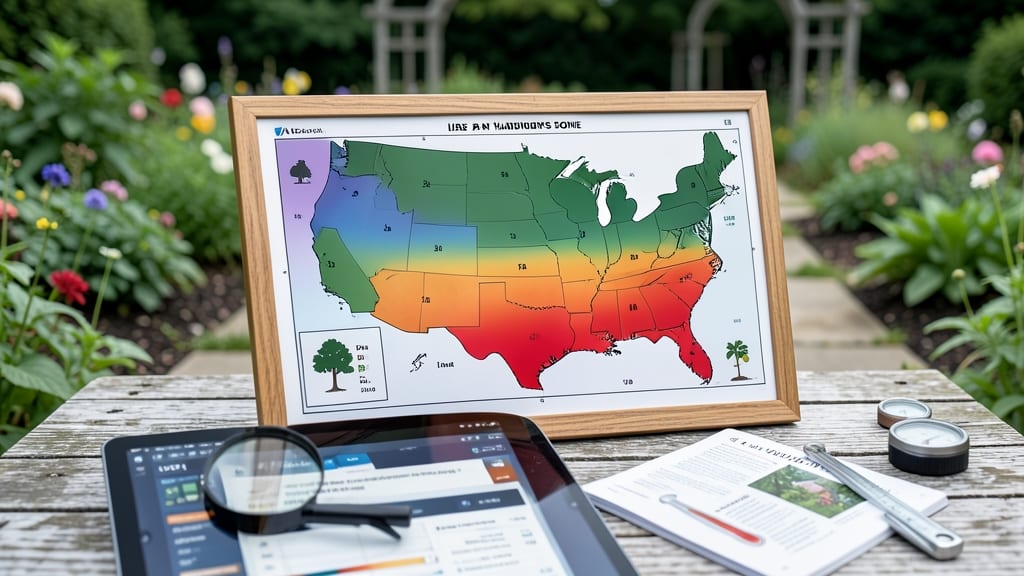
To find out what garden zone you live in, check the USDA Plant Hardiness Zone Map using your zip code, which reveals your 5-11 zone range (like Zone 6a) based on average winter temperatures—essential for picking plants that thrive in your climate. The official interactive map provides the most accurate results.
Your garden zone isn't just a number—it represents the coldest temperatures your area typically endures, guiding which plants will survive winter. 🌱 For example, Zone 5 can handle down to -20°F, while Zone 9 rarely drops below 20°F. The USDA updates this data every 10 years to reflect climate shifts, so older maps might mislead you.
I always double-check my zone by comparing the map with local weather records, especially if I'm considering frost-sensitive plants like citrus trees.
What's interesting is that microclimates—like a south-facing wall or a valley—can create pockets where conditions differ slightly from the official zone. This is why some gardeners in Zone 7 successfully grow Zone 8 plants by using protective techniques.
The key is understanding your specific exposure and elevation, not just relying on the zip code lookup.
💡 In This Article
- How USDA Plant Hardiness Zones Determine Your Gardening Success
- Finding Your Exact Garden Zone: Step-by-Step Zip Code Lookup Guide
How USDA plant hardiness zones determine your gardening success
The USDA Plant Hardiness Zone system divides North America into 13 zones (numbered 1-13) based on the average annual minimum winter temperatures recorded over 30 years.
Each zone is further split into a and b subzones, representing a 10°F difference—for example, Zone 6a ranges from -10°F to -5°F, while Zone 6b spans -5°F to 0°F. This classification helps gardeners predict which plants can survive winter's coldest temperatures in their area.
The science behind it involves analyzing historical weather data from over 5,000 weather stations across the country, ensuring accuracy within ±5°F of the reported zone.
Understanding your zone directly impacts plant survival because most plants have a critical temperature threshold below which they suffer frost damage.
For instance, a Zone 5 plant like a Siberian pea shrub can tolerate down to -20°F, while a Zone 9 plant like a Meyer lemon tree will die if exposed to temperatures below 25°F. The USDA zones also indirectly account for frost-free days, which influence growing seasons—warmer zones (like 9-11) have longer growing periods, allowing tropical plants to thrive. 🌿 This is why you’ll see citrus trees flourishing in Florida (Zone 10) but struggling in New York (Zone 6).
Microclimates—small areas with unique conditions—can create exceptions within a zone. For example, a south-facing slope might be 2-5°F warmer than the surrounding area, allowing you to grow Zone 8 plants in a Zone 7 region.
Conversely, a low-lying valley can trap cold air, making it 5°F colder than the official zone. These variations explain why some gardeners in Zone 7 successfully grow Zone 8 plants by using techniques like mulching or winter protection.
Paying attention to these nuances can expand your gardening possibilities beyond the standard zone guidelines.
Another critical factor is elevation. For every 1,000 feet increase in altitude, temperatures drop by about 3.5°F. This means a mountain garden in Zone 6 might experience conditions similar to Zone 4 at higher elevations.
The USDA map accounts for elevation by adjusting zones based on terrain data, but local knowledge often fills in the gaps. For example, Denver (Zone 5) has neighborhoods where gardeners in sunny, sheltered microclimates grow Zone 6 plants like hydrangeas, while shadier spots remain closer to Zone 5 limits. 🌄
Finally, the USDA updates the zone map every 10 years to reflect climate change—recent revisions show many areas shifting one zone warmer due to rising temperatures. This shift means older maps (pre-2012) may mislead gardeners, especially in northern states where winters are becoming milder.
For instance, parts of New England that were once Zone 5b are now Zone 6a. Always verify your zone using the latest interactive map to ensure your plant choices align with current climate realities.
To put it simply, your garden zone is more than a number—it’s a climate fingerprint that dictates what will thrive in your yard. By understanding the science behind zones, you can make informed decisions about plant selection, protection strategies, and even landscape design.
Whether you're a beginner or a seasoned gardener, knowing your zone—and its exceptions—is the first step to creating a resilient, beautiful garden. ✨