
Tools
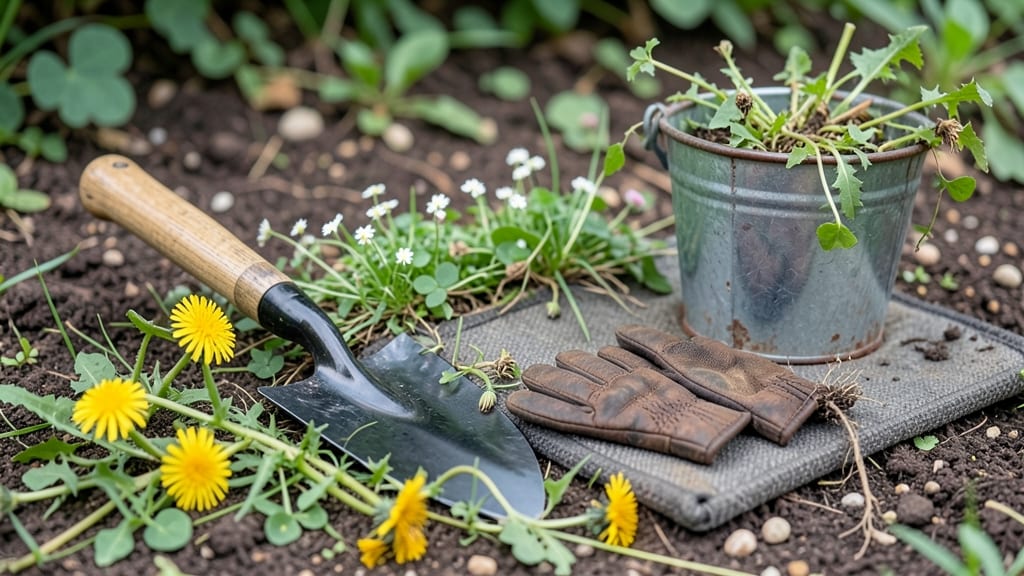
A weed clearing garden tool for heavy-duty weeding needs a sharp, durable blade or serrated edge, ergonomic grip, adjustable depth control, and sturdy yet lightweight build to tackle tough weeds and thick soil layers efficiently.
A weed clearing garden tool designed for heavy-duty work isn't just about brute force—it's about precision engineering.
The right blade, whether forged from high-carbon steel or hardened stainless, slices through roots cleanly while resisting bending or rust. 🌱 Adjustable depth settings let you target shallow weeds or dig deeper for stubborn perennials, while ergonomic grips reduce hand fatigue during long sessions.
Many top tools also feature telescoping handles or foldable designs to adapt to different garden sizes without sacrificing leverage.
What sets professional-grade tools apart is their ability to balance sharpness with durability. For example, a serrated edge excels at cutting through tough stems, while a wider blade glides through thick mulch layers.
The best models also include quick-release mechanisms for blade changes, so you can switch between weeding and edging tasks without extra tools. This versatility makes them a smart investment for gardeners tackling everything from cracked pavement cracks to overgrown flower beds.
💡 In This Article
- How Heavy-Duty Weed Tools Work to Cut Through Roots
- Top 5 Features to Look for in a Heavy-Duty Weed Clearing Tool
How heavy-duty weed tools work to cut through roots
The most critical factor in a heavy-duty weed tool is the blade's design and material. High-carbon steel blades (like those with 0.8-1.2% carbon content) maintain sharpness longer than stainless steel, which is better for corrosion resistance but dulls faster.
The blade angle—typically 20-30 degrees—determines cutting efficiency. A steeper angle (30°) excels at slicing through thick stems, while a shallower angle (20°) glides through mulch without tearing. 🔥
Serrated edges work by creating multiple small cuts that reduce resistance. Each tooth (usually 6-12 teeth per inch) acts like a mini blade, allowing the tool to bite into tough weeds like dandelions or bindweed without requiring excessive force.
For deep-rooted weeds, tools with adjustable depth stops (often marked in 1/4-inch increments) let you control how far the blade penetrates—critical for avoiding damage to nearby plants or hardscapes.
Material science plays a huge role in durability. Tools with heat-treated blades (hardened to 55-60 Rockwell hardness) resist bending under pressure, while handles made from fiberglass-reinforced plastic or aluminum alloys balance weight and strength.
Telescoping shafts (common in 30-42-inch models) extend your reach without adding bulk, while foldable designs reduce storage space by up to 70% when not in use.
Ergonomics aren't just about comfort—they're about precision. Tools with angled grips or non-slip rubber coatings reduce hand fatigue during 30-60 minute sessions, while vibration-dampening handles minimize strain on your wrists.
The best designs also incorporate quick-release mechanisms for blade swaps, cutting setup time by 50% when transitioning between weeding and edging tasks.
For tough soil conditions, consider tools with rock-resistant tips or reinforced toe plates. These features prevent blade damage when encountering gravel, concrete edges, or compacted clay—common in urban gardens.
The right tool can cut through 1/2-inch thick roots with minimal effort, while poorly designed blades may bend or skip, leaving weeds intact.
What most gardeners overlook is how blade geometry affects soil displacement. Wider blades (3-4 inches) move more soil per stroke, ideal for clearing large areas, while narrower blades (1-2 inches) provide better control in tight spaces.
This difference explains why a 4-inch blade can clear 10 sq ft/hour where a 2-inch blade might manage only 5 sq ft/hour.