
Planting
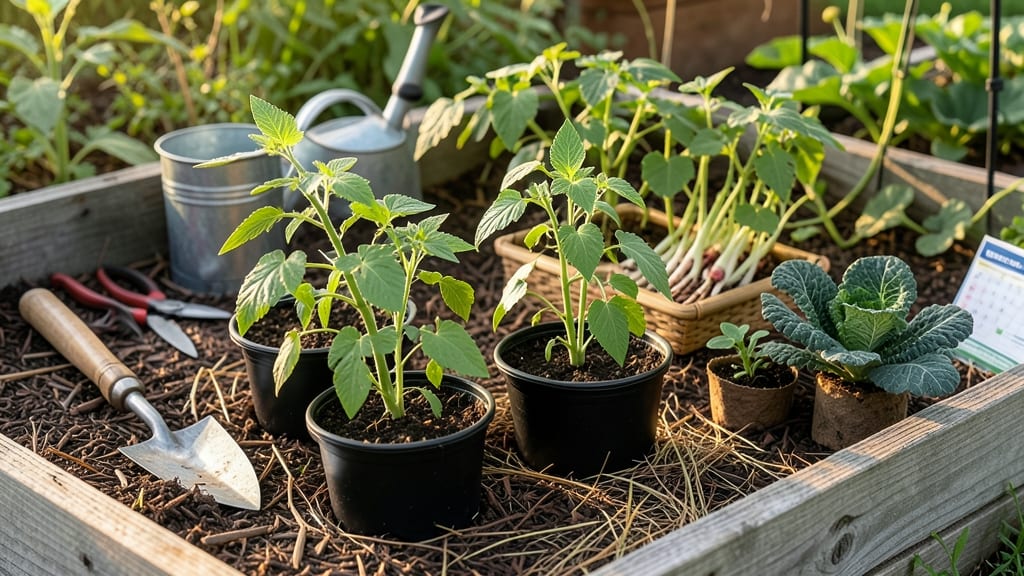
Planting a vegetable garden in Florida requires knowing when to plant each crop to avoid heat stress, pests, and poor yields—because timing matters even without frost.
Florida’s warm climate means no frost to worry about—but timing your vegetable garden still matters. Plant too early or too late, and pests, heat stress, or poor yields can ruin your harvest.
With zero-frost growing seasons and regional microclimates, the best planting windows vary by crop and location. North Florida’s cooler winters allow for early cool-season veggies, while South Florida’s year-round heat demands heat-tolerant varieties.
Below, you’ll find the exact month-by-month planting chart for Florida’s most popular vegetables, plus tips for succession planting and adjusting for humidity, rainfall, and heat.
Florida’s zero-frost planting calendar: best months for each vegetable type
Florida’s frost-free climate is a gardener’s dream, but timing still matters. Unlike northern states, you won’t lose crops to freezing temps—but heat stress, pests, and humidity can still sabotage your harvest if you plant at the wrong time.
The key is understanding warm-season vs. cool-season crops and Florida’s microclimates (North vs. South).
Warm-season crops like tomatoes and peppers thrive when soil temps hit 70°F+, while cool-season lettuce and broccoli prefer 60-70°F ranges. Even year-round staples like green onions and herbs have optimal planting windows. Below, I’ve broken down the exact months to plant each category, plus Florida-specific tips for success.
Here’s how to maximize your harvest with Florida’s 12-month growing season. The table below shows ideal planting windows, but remember: succession planting (staggering sowings) is your secret weapon for continuous yields. For example, plant bush beans every 2 weeks from March to September to avoid a glut.
For North Florida (e.g., Gainesville, Tallahassee), plant cool-season crops in September to avoid the brutal summer heat. In South Florida (Miami, Fort Lauderdale), you can grow cool-season crops year-round with shade cloth, but warm-season crops thrive best from March–May before the humidity peaks.
Pro tip: Succession planting is non-negotiable in Florida. For example, sow bush beans every 2 weeks from March to September to avoid a glut. Similarly, lettuce and spinach can be sown every 3 weeks from September to February for continuous harvests.
This strategy ensures you’re always eating fresh from your garden.
Don’t overlook soil prep—Florida’s sandy soils drain too quickly, while clay-heavy areas
How to adjust planting times for Florida’s microclimates (coastal vs. inland)
Florida’s three distinct microclimates—North, Central, and South—create dramatic differences in humidity, rainfall, and heat. Coastal areas like Miami and Tampa stay hotter year-round, while inland regions like Orlando and Gainesville experience more temperature swings.
These variations mean your planting schedule should shift depending on where you garden. For example, cool-season crops like lettuce thrive in North Florida’s milder winters but bolt quickly in South Florida’s heat.
Understanding these regional differences helps you avoid summer slump and maximize harvests through succession planting. In South Florida, you can grow tomatoes and peppers year-round, while North Florida gardeners must time warm-season crops carefully to escape early heat waves.
Even rainfall patterns differ: coastal areas get more consistent moisture, while inland zones may need supplemental irrigation during dry spells.
Key adjustments include shifting cool-season crops earlier in North Florida (October–November) and later in South Florida (December–January). For warm-season crops, inland areas benefit from spring planting (March–April), while coastal zones can start as early as February. Succession planting every 2–3 weeks ensures continuous harvests, especially for leafy greens and herbs.
| Region | Key Climate Factors | Adjust Planting Times | Best Crops for Succession |
|---|---|---|---|
| North Florida (Gainesville, Tallahassee) | Cooler winters, hotter summers, less humidity | Cool crops: Oct–Nov; Warm crops: Mar–Apr | Lettuce, broccoli, cucumbers |
| Central Florida (Orlando, Tampa) | Moderate humidity, year-round warmth | Cool crops: Nov–Dec; Warm crops: Feb–Mar | Green beans, peppers, herbs |
| South Florida (Miami, Fort Lauderdale) | High humidity, minimal temperature swings | Cool crops: Dec–Jan; Warm crops: Year-round | Okra, sweet potatoes, tomatoes |
For coastal gardens, focus on heat-tolerant varieties like ‘Celebrity’ tomatoes or ‘Jupiter’ peppers, which thrive in high humidity.
Inland gardeners should prioritize drought-resistant crops such as eggplant or malabar spinach to handle drier conditions. Succession planting works best when you stagger seed packets every 2 weeks, ensuring a steady supply of fresh produce.
For example, plant bush beans in March, April, and May for three harvests before summer heat sets in.
Watch for local heat waves, which can stress young plants. Inland areas often see sudden temperature spikes in late spring, so use shade cloth or drip irrigation to protect seedlings.
Coastal regions may face hurricane risks, so avoid planting delicate greens like arugula in late summer when storms are most likely. Instead, opt for sturdy crops like kale or collards, which recover better from wind and rain.
My top tip: Use local extension office guides for hyper-local advice, as microclimates can vary even within cities. For instance, Orlando’s suburbs may have slightly different conditions than downtown.
By aligning your planting schedule with these regional nuances, you’ll boost yields, reduce stress, and enjoy fresher harvests all year long. 🌱