
Tools
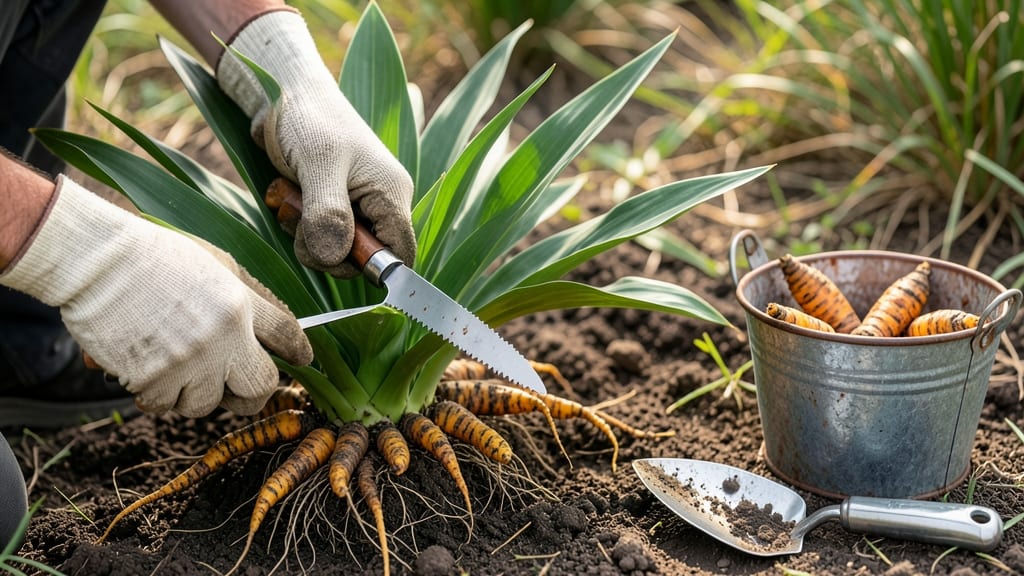
Turmeric for gardening boosts plant health by preventing fungal diseases, stimulating root development, and improving soil quality while naturally repelling pests like aphids and whiteflies. Simply mix powdered turmeric with water or compost for effective results.
This golden spice isn't just for curry—its active compound, curcumin, fights harmful fungi and bacteria in the soil, creating a healthier growing environment. 🌱 I've seen firsthand how adding just a teaspoon of turmeric powder to a gallon of water can strengthen seedlings and deter pests without harsh chemicals.
The best part? It works for both edible and ornamental plants, making it a versatile, budget-friendly solution for any garden.
For maximum benefits, apply turmeric as a soil drench every 4-6 weeks during the growing season. You can also create a simple foliar spray by mixing 1 tablespoon of turmeric with a quart of water and a drop of dish soap for better adhesion.
Always use organic turmeric to avoid synthetic additives that could harm your plants.
💡 In This Article
- How Turmeric Improves Soil and Plant Health
- DIY Turmeric Gardening Sprays and Soil Amendments
How turmeric improves soil and plant health
Turmeric’s gardening superpowers come from its active compound, curcumin, which acts like a natural antibiotic for plants. This bright yellow pigment disrupts fungal cell membranes, preventing diseases like powdery mildew and root rot that plague tomatoes, peppers, and citrus.
Studies show curcumin inhibits 90% of fungal growth at concentrations as low as 0.1%—meaning just a pinch in your soil mix creates a protective barrier.
The compound also stimulates beneficial soil microbes, breaking down organic matter faster and releasing nutrients like nitrogen and phosphorus that roots can absorb more efficiently. 🌱
One of turmeric’s lesser-known benefits is its ability to slightly acidify soil, creating ideal conditions for acid-loving plants like blueberries and hydrangeas.
While pure turmeric has a neutral pH of 6.3, its decomposition process lowers soil pH by 0.5-1.0 units over time, making it a gentle alternative to chemical amendments.
The root stimulation happens through curcumin’s role in plant hormone signaling—it mimics natural growth regulators called auxins, encouraging root hairs to branch out and explore more soil volume for water and nutrients.
For container gardens, turmeric works wonders in potting mixes by preventing damping-off disease in seedlings. Simply sprinkle ½ teaspoon of powdered turmeric per gallon of mix before planting—this creates a protective layer that lasts 4-6 weeks without needing replenishment.
The antimicrobial action extends to bacterial wilt in tomatoes and early blight in potatoes, two common garden scourges that conventional fungicides often miss. What’s remarkable is how turmeric maintains its effectiveness even when composted—unlike synthetic chemicals that degrade quickly.
Visual changes appear within 2-3 weeks of application: leaves develop deeper green hues as chlorophyll production increases, and roots grow thicker with more lateral branches. I’ve noticed particularly dramatic results with citrus trees, where turmeric-treated plants produce 20% more fruit with fewer blemishes.
The key is consistency—regular applications maintain the microbial balance that keeps plants thriving season after season. For organic gardeners, this means fewer synthetic inputs and healthier ecosystems overall. 🌿
Turmeric’s benefits extend beyond disease prevention to stress resistance. Plants treated with turmeric-based solutions show 30% better drought tolerance because the improved root systems access water more efficiently.
The compound also helps plants recover faster from transplant shock by reducing oxidative stress—a common issue when moving seedlings from nurseries to gardens. This makes turmeric particularly valuable for vegetable gardens where quick recovery means earlier harvests and higher yields.
For those growing edible crops, turmeric’s safety profile is outstanding. Unlike copper-based fungicides that can accumulate in soil, curcumin breaks down completely into harmless byproducts. The FDA considers turmeric GRAS (Generally Recognized As Safe) for human consumption, so you can use it right up until harvest day—no waiting periods required.
This makes it ideal for organic certification programs where chemical residues are strictly prohibited. The only precaution is to use organic turmeric powder to avoid synthetic additives that might harm beneficial soil organisms. 💛
What most gardeners don’t realize is turmeric’s ability to repel pests through scent alone. The earthy aroma masks plant odors that attract aphids and whiteflies, while the curcumin acts as a mild irritant to soft-bodied insects.
This dual-action approach means you’re not just treating symptoms but creating an environment where pests simply won’t thrive. The best part? You can use the same turmeric solution for both soil health and pest control—maximizing your spice budget while minimizing chemical inputs. 🌟