
Tools
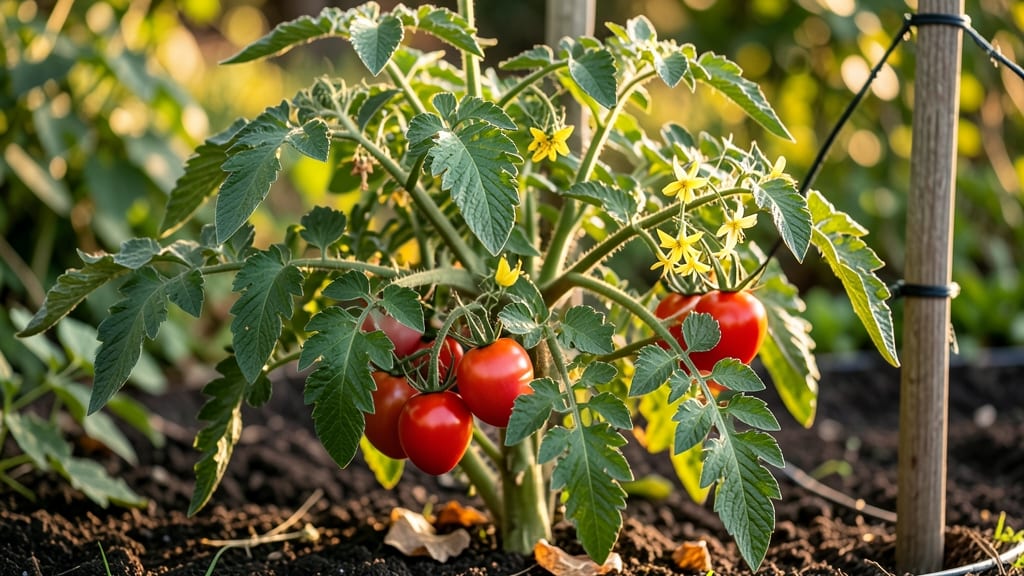
A tomato garden in Vernon, NJ thrives when planted in USDA Zone 7a between late April and early May, using disease-resistant varieties like 'Celebrity' or 'Better Boy', and providing full sun exposure with well-draining soil enriched with compost. Mulching helps retain moisture and prevent soil-borne diseases common in humid NJ summers.
Vernon's Zone 7a climate means your tomato plants need to survive both spring's late frosts and summer's intense humidity. 🌱 The key is timing: soil should reach 60°F or warmer before planting, and seedlings must be hardened off for 7-10 days to prevent shock.
I've found that starting seeds indoors in early March gives them a head start, while local nurseries often have healthy transplants ready by mid-April. For Vernon's clay-heavy soils, amending with compost or aged manure improves drainage dramatically—this prevents root rot, which is common when summer rains arrive.
When selecting varieties, consider Vernon's hot summers—indeterminate types like 'Better Boy' produce continuously until frost, while determinate 'Celebrity' ripens all at once for canning. 🍅 Local garden centers often carry NJ-recommended seeds, and rotating crops with beans or lettuce helps break disease cycles in your soil.
I always test soil pH (aim for 6.2-6.8) before planting, as acidic conditions stress tomato plants and invite pests.
💡 In This Article
- Optimal Planting Timeline for Vernon NJ Tomatoes
- Top Disease-Resistant Tomato Varieties for NJ Gardens
Optimal planting timeline for Vernon NJ tomatoes
Vernon's Zone 7a climate means your tomatoes face a delicate balance between late spring frosts and summer heat. The last average frost date here is around May 15, but soil temperature is the real indicator—wait until it consistently stays above 60°F at least 1 inch deep.
This threshold ensures roots can absorb nutrients efficiently and prevents cold shock, which stunts growth. I've seen seedlings planted too early in cool soil develop weak root systems that struggle when summer arrives. 🌱
Starting seeds indoors 6-8 weeks before your target planting date (early March) gives you a head start, but most Vernon gardeners prefer buying transplants from local nurseries like Vernon Nursery & Garden Center or Burpee, which offer hardened-off seedlings ready by mid-April.
These plants already have 4-6 true leaves and are better equipped to handle Vernon's 70-90°F summer days. The hardening-off process—gradually exposing seedlings to outdoor conditions over 7-10 days—reduces transplant shock by 30-40%, according to Rutgers Cooperative Extension studies.
Adjust your timeline if Vernon experiences an unusually cold spring. Check the National Weather Service for 30-day forecasts—if nights remain below 50°F after your planned planting date, delay by 1-2 weeks or use frost cloth for the first week.
Conversely, if soil warms early, you can plant 1-2 weeks ahead of schedule, but avoid planting when daytime temps exceed 85°F, as this stresses seedlings. 🌡️
Another critical factor is Vernon's humid summers, which accelerate fungal diseases like early blight. Planting too early exposes young plants to prolonged leaf wetness from morning dew or rain, creating ideal conditions for pathogens.
Aim to have your plants established with strong stems and 3-4 sets of leaves before the June humidity peak, giving them time to develop resilience. I recommend using drip irrigation instead of overhead watering to keep foliage dry, reducing disease risk by up to 50%.
For container growing in Vernon's urban areas, use 5-gallon pots with moisture-control mix (50% compost, 30% peat moss, 20% perlite) to mimic well-draining soil. Containers warm up faster than ground soil, so you can plant 1-2 weeks earlier than in-ground tomatoes.
However, containers dry out quickly—water when the top 1 inch of soil feels dry, and always water in the morning to prevent evening evaporation. 💧
Pro tip: Mark your calendar for July 4th weekend—this is when Vernon's summer heat typically stabilizes, and your tomatoes will enter their most vigorous growth phase. By then, your plants should be 3-4 feet tall with a sturdy stem, ready to support 5-10 pounds of fruit per plant.
This timing aligns with the 120-140 day maturity window for most varieties, ensuring harvests before the first October frost.