
Tools
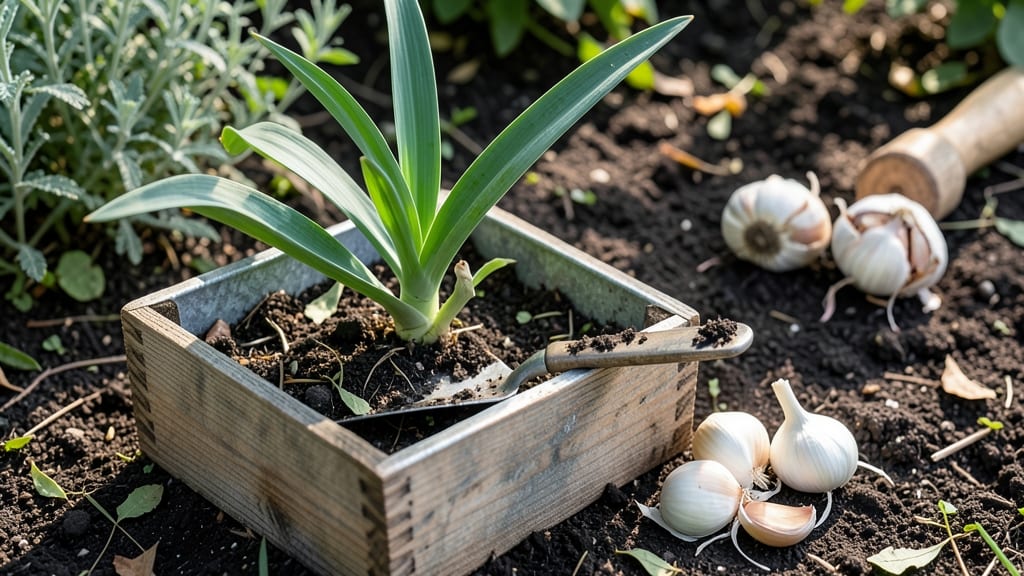
The Clove Garden Menu transforms homegrown edible plants, aromatic herbs, and floral blooms into chef-inspired dishes that change with each season, creating bold flavors like clove-infused sage, lemon balm-infused honey, and edible violet garnishes.
The Clove Garden Menu isn't just about cooking—it's a celebration of what grows right outside your door. 🌿 When you incorporate homegrown ingredients like thyme, nasturtium petals, or even clove-scented mint into your meals, you're not just eating fresh; you're creating dishes with depth and character that store-bought ingredients can't match.
The magic happens when you let seasonal availability guide your cooking—think spring's delicate microgreens in salads or summer's sun-ripened tomatoes in caprese-style dishes. This approach turns every meal into a reflection of your garden's current bounty.
What makes this menu special is how it bridges the gap between gardening and gastronomy. For example, clove-scented herbs like sage or thyme can transform a simple roasted chicken into something extraordinary when used both in the marinade and as a finishing garnish.
The key is understanding which ingredients pair best together—like citrus blossoms with seafood or nasturtium flowers with goat cheese—and how to preserve your garden's harvest when it's not in season. This philosophy turns cooking into a year-round creative process rather than just a seasonal hobby.
💡 In This Article
- Edible Plants and Herbs in Clove Garden Cooking
- Seasonal Clove Garden Recipe Planning Guide
Edible plants and herbs in clove garden cooking
The clove garden's aromatic herbs and edible flowers create a symphony of flavors that transform ordinary dishes into extraordinary experiences. Take clove-scented sage, for example—its warm, slightly sweet, and peppery notes come from volatile oils like eugenol and camphor.
When you infuse olive oil with fresh sage leaves at 165°F for 10 minutes, these compounds release gradually, creating a rich, aromatic base for pasta or roasted vegetables.
The science here is fascinating: heat helps break down the cell walls, allowing more flavor compounds to escape into your cooking oil.
Seasonal availability isn't just about timing—it's about flavor intensity.
Spring brings delicate microgreens like pea shoots with their crisp texture and mild, slightly sweet taste (containing up to 40% more vitamins than mature leaves), while summer offers robust herbs like rosemary with its piney, citrusy notes from compounds like camphor and cineole. 🌿 The key is matching ingredients to their peak seasons: use fresh basil in summer salads when its sweetness is most pronounced, but opt for dried basil in winter when fresh isn't available.
This seasonal approach ensures each dish reflects the garden's current character.
What most home cooks overlook is how to maximize these flavors. For instance, edible flowers like nasturtiums add a peppery kick to salads when picked young, while their mature leaves can be used like spinach.
The trick is proper harvesting: pick flowers in the morning when dew is still present, and harvest herbs just before flowering for maximum potency. This attention to detail elevates simple dishes—like a tomato salad with nasturtium petals—into something truly special with vibrant colors and complex flavors.
Storage techniques preserve these garden-fresh qualities. Herbs like thyme and rosemary can be hung upside down in small bundles to dry, retaining 70-80% of their flavor compounds after drying. For flowers, consider infusing them into honey or vinegar to capture their essence for winter use.
The right preservation method means you can enjoy your garden's bounty year-round without sacrificing quality.
Consider this flavor pairing: clove-scented mint with watermelon creates a refreshing contrast between the herb's cool, slightly sweet aroma and the fruit's juicy sweetness. The mint's menthol compounds enhance the watermelon's natural sugars, making each bite more vibrant.
This is how the clove garden menu transforms everyday ingredients into memorable dining experiences through thoughtful combinations.
Don't forget about the visual impact—colorful edible flowers like pansies or violets add beauty to plates while contributing subtle flavors. Their vibrant hues make dishes more appealing, encouraging people to try new combinations they might otherwise overlook. 💫