
Tools
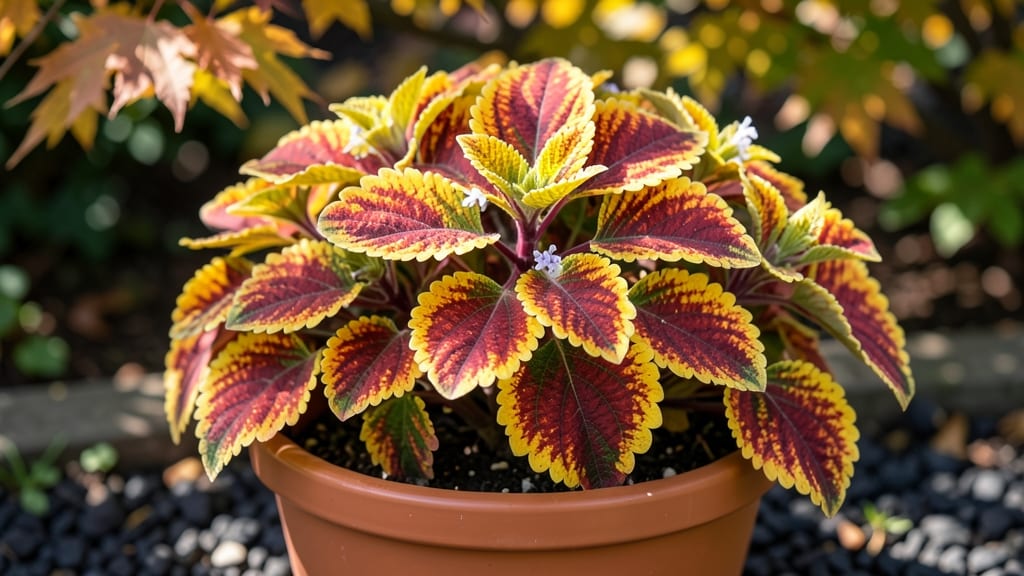
The Enchanted Garden Colors Collection transforms ordinary spaces into living storybooks with hues that shift like magic across the seasons.
Picture this: a garden where spring’s pastels melt into summer’s fiery bursts, then soften into autumn’s golden whispers—all while winter’s frost-kissed tones linger like a fairy-tale spell. These aren’t just colors; they’re moods waiting to unfold with every bloom and leaf.
Whether you’re dreaming of a whimsical cottage garden or a bold, modern retreat, the right palette can make your outdoor space feel like a secret escape. Below, I’ll share how to layer colors for depth, pair plants for harmony, and keep them vibrant all year long.
From misty purples that invite relaxation to sun-drenched oranges that spark joy, this guide will help you craft a garden that feels alive—and always enchanting.
Seasonal enchanted garden color palettes for every climate zone
Every season offers a unique opportunity to transform your garden into a living storybook. Spring brings soft pastels that whisper renewal, while summer ignites bold, fiery hues that dance under the sun. Autumn paints golden canvases with fiery accents, and winter reveals frosty elegance in silvers and icy blues.
The key to creating these magical transitions lies in selecting plants that thrive in your specific climate zone—whether you're in a tropical paradise, a temperate haven, or a cold-hardy region.
For tropical climates, think vibrant oranges and deep purples that thrive year-round, while temperate zones can enjoy seasonal rotations with perennials and annuals. Cold climates should focus on evergreens and late-blooming perennials that defy winter's chill.
The right color palette doesn't just look stunning—it creates an emotional journey through your garden's seasons.
🌸 Spring's Palette: Soft lavenders, blush pinks, and buttery yellows create a dreamy, ethereal atmosphere. Pair bleeding heart (Dicentra spectabilis) with Japanese forest grass (Hakonechloa macra) for a whimsical woodland feel. In tropical zones, swap these for orchids and hibiscus in delicate whites and pale pinks.
☀️ Summer's Palette: Fiery reds, electric blues, and sunny yellows dominate. Black-eyed Susans (Rudbeckia hirta) and salvias create bold contrasts, while tropical lilies add drama in warmer climates. For cold regions, opt for coneflowers (Echinacea) and blackberries that thrive in heat and humidity.
🍂 Autumn's Palette: Warm oranges, deep reds, and golden yellows transform gardens into fiery masterpieces. Maple trees and Japanese maples provide natural focal points, while mums and sedum add texture. In temperate zones, extend the season with heucheras in burgundy and lime.
❄️ Winter's Palette: Icy blues, silvers, and frosty whites create serene, magical spaces. Snowdrops (Galanthus) and winter jasmine (Jasminum nudiflorum) bring early color, while evergreen shrubs like boxwood and holly maintain structure. In mild climates, camellias and cyclamen add winter blooms.
How to use color psychology to create a magical garden atmosphere
Colors in your garden do more than just please the eye—they shape the emotional experience of every visitor. Blue hues calm the mind, purples spark creativity, and warm reds energize the spirit.
By understanding these color psychology principles, you can design spaces that feel like a fairy tale—whether you want a serene retreat or a lively gathering spot.
Start by identifying the primary mood you want to evoke. A tranquil meditation garden thrives with soft blues and whites, while a whimsical children’s play area bursts with bright yellows and pinks.
The key is strategic placement: position cool-toned plants near seating areas to encourage relaxation, or use warm colors along pathways to draw the eye and create movement.
🌿 Enchanted Garden Colors: Mood & Placement Guide
| Color | Mood Effect | Best Placement | Plant Examples |
|---|---|---|---|
| Soft Blues | Calm, peaceful | Near seating, water features | Delphinium, Lobelia, Hydrangea |
| Purples | Creative, mystical | Artistic corners, garden entrances | Lavender, Salvia, Iris |
| Warm Reds | Energizing, passionate | Focal points, dining areas | Geranium, Rose, Dahlia |
| Greens | td style="padding: 8px;">Balancing, naturalBackgrounds, borders | Hostas, Ferns, Boxwood |
Use color contrast to highlight focal points. A deep purple clematis against a silver foliage backdrop creates drama, while pastel pinks beside lush greens feel soft and inviting.
For a hidden garden effect, surround a secluded bench with tall grasses and airy white flowers—the contrast between vertical and horizontal lines adds depth while the colors create a dreamy escape.
Don’t overlook seasonal transitions. Swap out summer’s fiery reds for autumn’s golden oranges to keep your garden feeling fresh. Plant evergreens like boxwood as structural anchors—their deep greens provide a calming base year-round, while seasonal blooms add temporary pops of color.
This layered approach ensures your garden remains magical in every season.
For maximum impact, incorporate textural variety. Pair smooth petals (like roses) with ruffled foliage (such as lamb’s ear) to add tactile interest. The contrast between textures enhances the visual and emotional experience, making your garden feel even more immersive.
Even a simple stone pathway lined with fragrant lavender can transform an ordinary space into a sensory haven.
Remember, the magic lies in the details. Test small sections first—place a pot of blue salvia near your patio to see how it shifts the atmosphere. Adjust based on natural light and your garden’s existing color palette.
With intentional choices, your garden will become a living storybook, where every hue tells a part of the tale.