
Planting
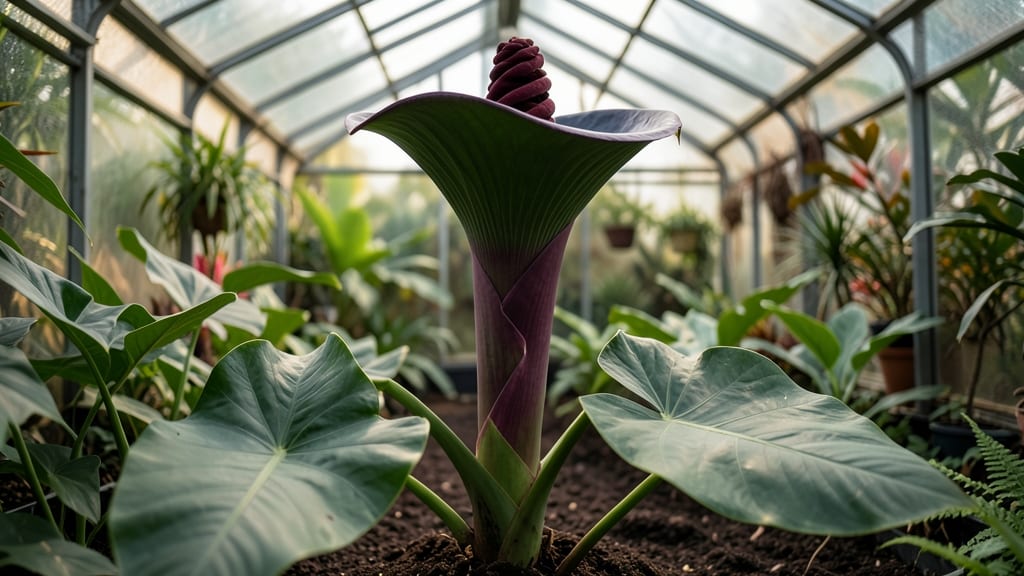
A smelly plant botanical garden intentionally features strong-smelling plants like jasmine and gardenia for their pleasant aromas, alongside pungent species such as skunk cabbage or corpse flowers, which serve ecological roles like attracting pollinators or deterring pests.
A smelly plant botanical garden isn't just oddities—they play crucial roles in nature. 🌿 Fragrant varieties like jasmine or gardenias evolved to lure pollinators with sweet scents, while foul-smelling species like skunk cabbage mimic rotting meat to attract flies for reproduction.
Some botanical gardens even use these plants to demonstrate evolutionary adaptations in action, creating sensory experiences that highlight biodiversity.
What's fascinating is how these plants thrive in specific conditions. For example, stinking corpse lily only blooms under precise temperature and humidity levels, while durian trees need tropical climates to produce their infamous aroma.
Many gardeners cultivate them in controlled environments to manage odors while still appreciating their unique botanical value.
💡 In This Article
- Why Do Botanical Gardens Grow Strong-Smelling Plants?
- Best Smelly Plants for Home Gardens and Their Care
Why do botanical gardens grow strong-smelling plants?
Botanical gardens cultivate strong-smelling plants primarily to showcase nature's remarkable evolutionary adaptations. Fragrant species like jasmine and gardenia produce volatile organic compounds (VOCs) that attract pollinators through scent signals.
These plants release up to 100+ different aromatic molecules, creating complex bouquets that can travel hundreds of feet through the air. The scent molecules bind to olfactory receptors in insects and animals, triggering instinctive responses to visit flowers for nectar.
On the opposite end, pungent plants like skunk cabbage and corpse lily employ a different strategy called mimicry. These plants emit odors that resemble rotting flesh, complete with sulfur compounds like dimethyl disulfide that smell like decaying meat.
This attracts carrion flies and beetles, which then pollinate the flowers. The stinking corpse lily only blooms once every 7-10 years under precise conditions of 75-85°F and high humidity, making its appearance a rare botanical spectacle.
Beyond pollination, strong odors serve other ecological purposes. Some plants, like garlic mustard or stinking hellebore, release foul smells to deter herbivores. The compounds in these plants often contain mustard oils or alkaloids that make them unpalatable or toxic.
Botanical gardens use these species to demonstrate how chemical defenses have evolved alongside plant-animal interactions over millions of years.
Human cultivation of these plants also reflects cultural adaptations. Fragrant species have been used for centuries in perfumery, medicine, and religious ceremonies. For example, frankincense and myrrh were prized in ancient Egypt for their aromatic properties and preservative qualities.
Meanwhile, pungent plants often become focal points in gardens precisely because their unusual scents create memorable experiences that educate visitors about biodiversity.
Consider the durian tree, whose fruit emits a smell often described as "rotten onions mixed with gym socks." This odor isn't just random—it's an adaptation to attract bats and other fruit-eating animals in Southeast Asia's dense rainforests.
When cultivated in botanical gardens, these trees provide living examples of how environmental pressures shape plant evolution. The contrast between pleasant and offensive smells becomes a teaching tool about ecological niches.
Many botanical gardens also use strong-smelling plants to study volatile organic compound (VOC) chemistry. Researchers analyze how different environmental factors—like temperature, humidity, and soil composition—affect scent production. For instance, night-blooming jasmine releases its strongest fragrance between 10 PM and 2 AM, when nocturnal pollinators are most active.
These studies help scientists understand how plants communicate in their natural habitats.