
Tools
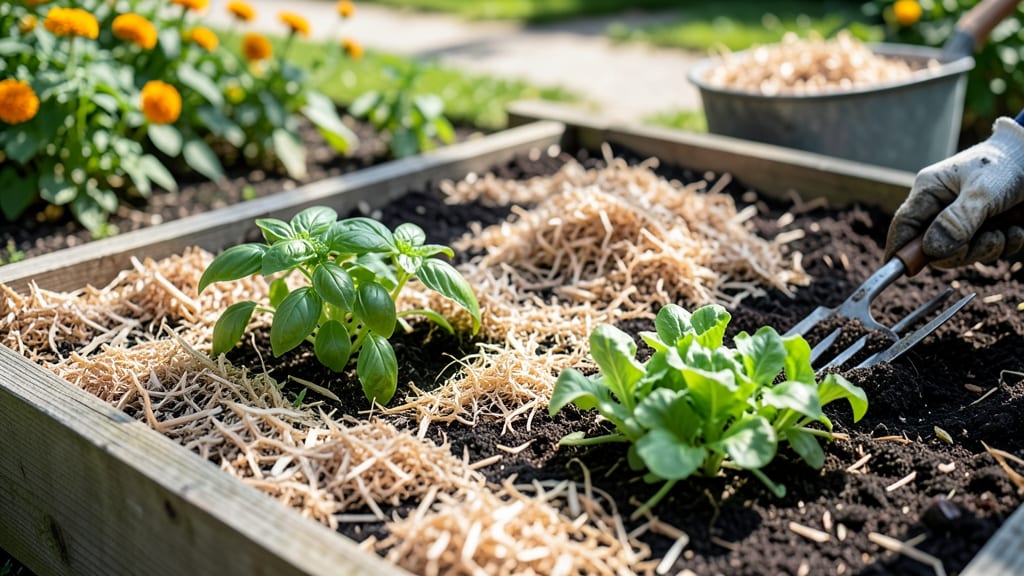
Using shredded paper in the garden acts as a natural mulch that blocks weeds, locks in soil moisture, and enriches the earth as it breaks down over time, making it a budget-friendly and sustainable alternative to traditional mulches.
Shredded paper works because it mimics the function of organic mulches like straw or leaves, but with a faster decomposition timeline. 🌱 When you spread it around plants, the cellulose fibers trap moisture near the roots while blocking sunlight from weed seeds.
Over 3-6 months, it transforms into nutrient-rich compost, feeding your soil without the hassle of synthetic fertilizers. I’ve found it especially effective in vegetable gardens where maintaining consistent moisture is key.
For best results, use paper that’s free of glossy coatings or colored inks—plain newspaper or junk mail works perfectly. Spread a 2-3 inch layer around plants, avoiding direct contact with stems to prevent rot.
Reapply every 2-3 months or whenever the layer thins, and watch your garden thrive with less weeding and more moisture retention.
💡 In This Article
- How Shredded Paper Breaks Down to Boost Soil
- Best Practices for Applying Shredded Paper Mulch
How shredded paper breaks down to boost soil
The magic happens when shredded paper transforms from a simple mulch into a soil-enhancing powerhouse. The paper's primary ingredient, cellulose, acts like a slow-release fertilizer factory. Microorganisms in the soil—including bacteria and fungi—break down cellulose into simpler compounds through a process called decomposition.
This releases carbon, nitrogen, and other nutrients that plants can absorb, effectively feeding your garden as the paper disintegrates over 3-6 months. Unlike synthetic mulches, this organic process also improves soil structure by adding humus, which enhances water retention and aeration.
What makes this process unique is how it compares to traditional mulches. Straw, for example, decomposes much slower (often 6-12 months) because its lignin content resists microbial breakdown, while wood chips can take 2-5 years to fully decompose.
Shredded paper, however, breaks down at a rate similar to grass clippings but without the risk of matting or compacting the soil. The key is moisture—paper decomposes fastest in damp conditions, which is why it works so well in gardens where consistent watering is already part of the routine. 🌱
As the paper decomposes, it also creates a microclimate that benefits your plants. The layer acts like a blanket, keeping soil temperatures 5-10°F cooler during hot days and 5°F warmer on chilly nights.
This stability helps prevent temperature stress in young plants while the decomposing paper releases nutrients gradually, avoiding the sudden spikes that can occur with chemical fertilizers. The process even encourages earthworm activity, as these creatures thrive in the improved soil structure created by the decomposing cellulose.
One often-overlooked benefit is the paper's ability to suppress weeds through a dual mechanism. First, it blocks sunlight from reaching weed seeds, preventing germination. Second, as the paper decomposes, it releases allelopathic compounds that naturally inhibit weed growth without harming your desired plants.
This two-pronged approach makes shredded paper more effective than many commercial weed barriers that only block light. The decomposition process also creates a sponge-like layer that holds up to 30% more moisture than bare soil, reducing your watering needs by 20-30%.
For gardeners concerned about ink or chemicals in recycled paper, most plain newsprint and junk mail are safe once fully decomposed. The inks used in modern printing are typically water-based and break down without releasing harmful substances.
However, avoid glossy magazines or coated papers, as their plastic-based coatings can create a barrier that prevents proper decomposition. The paper's texture also matters—finely shredded pieces (about 1/4-inch wide) break down faster than larger strips, creating a more uniform mulch layer that works effectively across your garden beds. ✨