
Tools
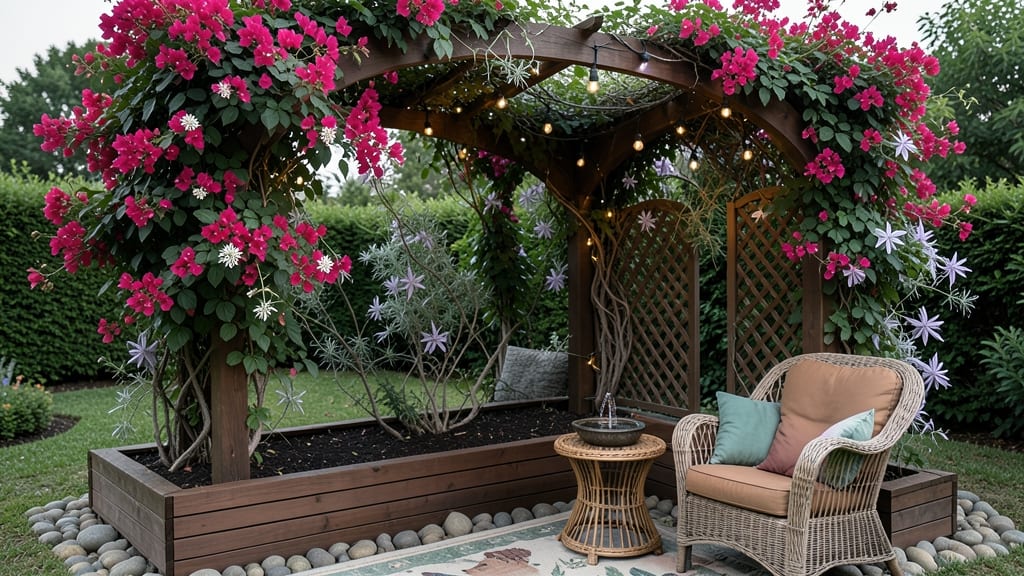
A screened-in garden creates a bug-free, climate-controlled retreat right in your backyard, blending outdoor beauty with indoor comfort.
Imagine a private outdoor oasis where you can garden, entertain, or relax—no matter the season or weather. A screened-in garden transforms your yard into a climate-controlled retreat while keeping bugs and debris at bay.
This design isn’t just about keeping pests out; it’s about crafting a space that feels like an extension of your home. Whether you’re sipping morning coffee surrounded by blooming flowers or hosting dinner parties under twinkling lights, the right screening material and layout make all the difference.
In this guide, I’ll walk you through 10 stylish designs, material choices, and landscaping tricks to turn your screened-in garden into the coziest, most functional space in your home.
10 Stylish screened-in garden designs for every space
A screened-in garden blends the beauty of nature with the comfort of an indoor space, creating a versatile area for gardening, dining, or unwinding. Whether you have a cozy balcony or a sprawling backyard, these 10 designs offer inspiration for every style and space.
Each idea balances privacy, airflow, and natural light while adapting to your unique needs.
From sleek modern retreats to rustic cabana vibes, these designs use materials like aluminum, vinyl, and wood to suit different climates and aesthetics. Whether you're maximizing a small patio or transforming a large yard, these layouts ensure year-round enjoyment without sacrificing style or functionality.
Comparison Table: Screened Garden Designs by Style & Space
| Design Style | Best For | Materials | Privacy Level | Space Needs |
|---|---|---|---|---|
| Modern Minimalist | Urban patios, small yards | Aluminum frames, vinyl screens | Medium (add lattice) | 6'x6' to 10'x12' |
| Rustic Cabana | Backyard retreats, large yards | Cedar wood, fabric screens | High (natural wood + lattice) | 10'x12' to 12'x16' |
| Tropical Paradise | Balconies, coastal homes | Bamboo, polyester mesh | Low (open airy feel) | 8'x8' to 10'x10' |
| Cozy Cottage | Suburban yards, porches | Pine wood, sheer curtains | Medium (curtains + plants) | 8'x10' to 12'x14' |
| Industrial Chic | City lofts, modern homes | Steel frames, mesh panels | Medium (geometric patterns) | 6'x8' to 10'x12' |
| Japanese Zen | Serene gardens, small spaces | Bamboo screens, stone accents | High (natural barriers) | 5'x7' to 8'x10' |
| Mediterranean Villa | Luxury estates, large patios | Wrought iron, linen screens | High (ornate designs) | 12'x14' to 16'x20' |
| Boho Retreat | Backyard escapes, small yards | Macramé, rattan, fabric | Low-Medium (textured layers) | 8'x8' to 10'x12' |
| Greenhouse-Inspired | Plant lovers, large yards | Polycarbonate panels, glass | Medium (transparent walls) | 10'x12' to 14'x16' |
| Modern Farmhouse |