
Tools
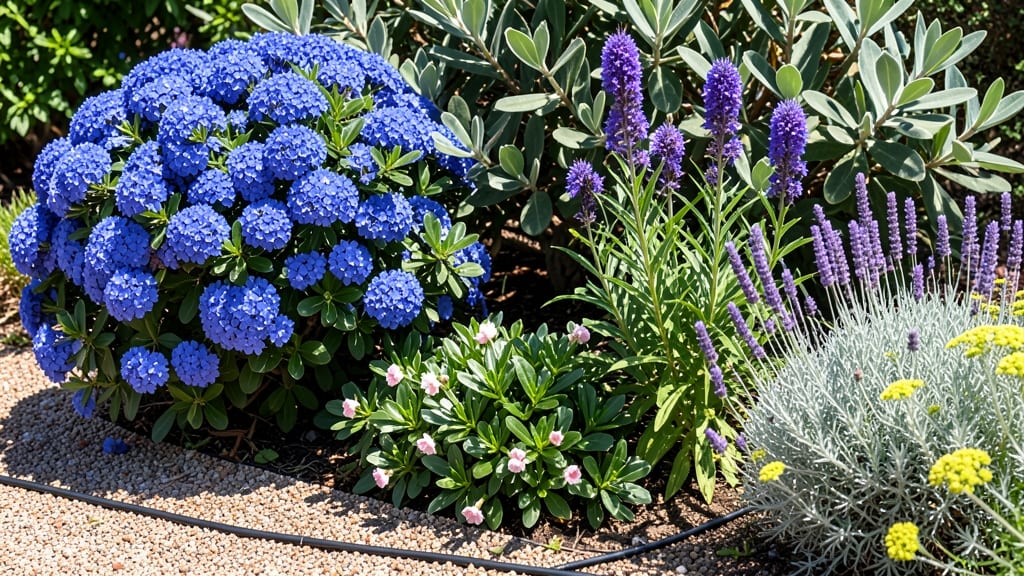
San Diego's garden zone spans USDA hardiness zones 9b-11, featuring Mediterranean conditions with dry summers and mild winters that perfect for succulents, lavender, and native California shrubs. Plant during cooler months to minimize heat stress, and use well-draining soil to protect coastal plantings from root rot.
San Diego's coastal location creates unique microclimates where temperatures can vary dramatically over short distances. 🌿 The inland areas often reach 100°F+ in summer, while coastal regions stay cooler due to ocean breezes.
This variation means your elevation and distance from the ocean determine which plants thrive best—higher elevations may support slightly cooler-loving species. Native plants like coyote brush and toyons adapt naturally to these conditions, requiring minimal irrigation once established.
For best results, focus on drought-tolerant varieties that match your specific microclimate. Coastal gardens benefit from morning sun exposure to prevent leaf scorch, while inland areas can handle full afternoon sun.
I recommend testing your soil's drainage before planting—amending with sand or perlite can make all the difference in preventing root issues.
💡 In This Article
- Understanding San Diego’s Microclimates and Plant Hardiness Zones
- Top 15 Drought-Resistant Plants Thriving in San Diego Gardens
Understanding San Diego’s microclimates and plant hardiness zones
San Diego’s diverse geography creates distinct microclimates that influence which plants thrive. The coastal areas (like La Jolla) typically fall into USDA zone 10a, where summer highs rarely exceed 85°F thanks to ocean breezes.
In contrast, inland regions (such as Escondido) can reach 105°F+ in summer, placing them in zone 11. The elevation difference—just 1,000 feet can shift zones by 2-3 degrees Fahrenheit—explains why a plant may struggle in one neighborhood but flourish just miles away. 🌡️
The Mediterranean climate brings another layer: rainfall averages 10 inches annually, concentrated in winter, while summers are bone-dry. Coastal fog (common in spring/summer) can drop temperatures 10-15°F overnight, creating a "coastal chill" effect that benefits some plants.
Inland areas, however, experience more extreme temperature swings—50°F mornings followed by 95°F afternoons—which demands heat-tolerant species like palm trees or yucca. Soil drainage becomes critical here: coastal clay soils can suffocate roots, while inland loam dries out faster.
To navigate these zones, start by checking your exact location on the USDA Plant Hardiness Zone Map—San Diego’s range spans 9b-11, but microclimates can push boundaries.
For example, zone 9b plants (like olive trees) may survive in cooler coastal pockets, while zone 11 natives (such as desert spoon) dominate inland gardens.
Planting in fall or winter avoids summer heat stress, and mulching with 3-4 inches of wood chips retains moisture while regulating soil temperature. 🌱
Elevation plays a hidden role: every 1,000 feet up reduces temperatures by 3.5°F, so mountain slopes near San Diego (like Cuyamaca) support zone 9a plants despite being just 30 miles from the coast.
Wind exposure also matters—coastal gardens need windbreaks (like bamboo or cypress) to protect delicate foliage, while inland areas may face Santa Ana winds, requiring deep-rooted, drought-hardy species. Test your soil’s pH (ideal 6.0-7.5) and amend with compost to improve fertility without altering drainage.
Seasonal shifts are equally critical. Winter rains (November-March) trigger growth spurts, while summer dormancy conserves water. Native plants like California lilac or manzanita time their blooms to align with these cycles, reducing irrigation needs.
If you’re unsure about your microclimate, observe your garden’s existing plants: thriving bougainvillea suggests zone 10+, while healthy rosemary indicates cooler coastal conditions. 🌿
For precision, use a soil thermometer to monitor root-zone temperatures—ideal ranges vary by plant. Coastal areas may see 65-75°F year-round, while inland soil can hit 90°F+ in summer.
Adjust watering schedules accordingly: deep, infrequent watering (every 7-10 days) encourages deep roots, while shallow watering promotes surface roots that dry out faster. This approach mirrors the natural rainfall patterns of San Diego’s ecosystem. ✨