
Landscaping
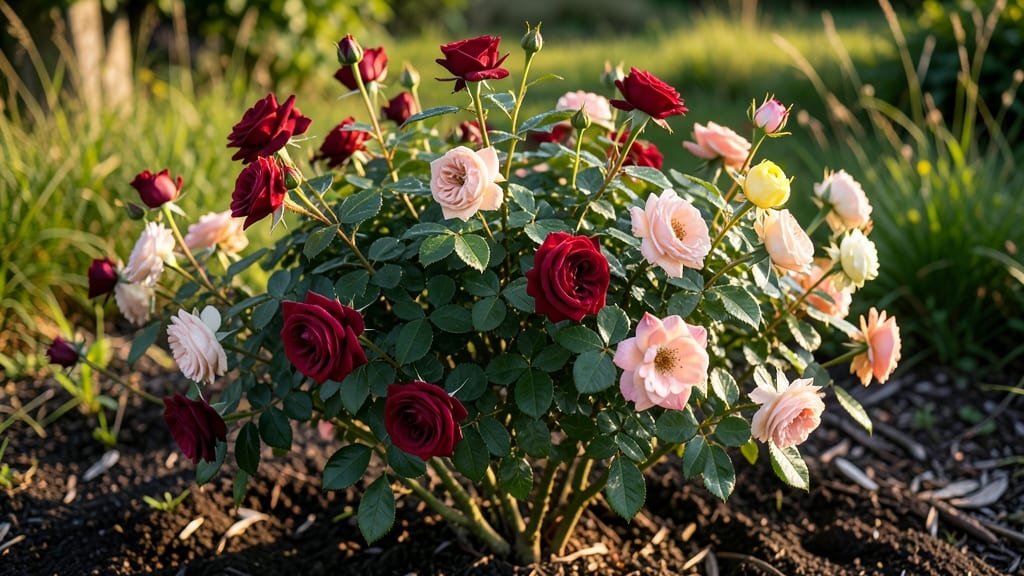
Creating stunning rose bush garden ideas means combining fragrant roses with supporting plants like lavender, salvia, or ornamental grasses to extend seasonal color, while maintaining proper spacing and sunlight exposure for healthy growth. Adding bulbs and ground covers creates a layered, low-maintenance look.
When designing a rose garden, the key is balancing blooms that thrive in different seasons. 🌸 Start with spring-blooming bulbs like daffodils or tulips at the base, then layer in perennials such as catmint or Russian sage for summer color.
In fall, add asters or sedum to bridge the gap until winter hellebores take over. This approach ensures your garden stays vibrant year-round while minimizing gaps in visual interest.
Sunlight and spacing are just as critical as plant selection. Most roses need at least 6-8 hours of direct sun daily, so position them where they won't be shaded by taller plants. Give each rose bush 3-4 feet of space for proper air circulation, which helps prevent disease.
For climates with hot summers, opt for drought-tolerant companions like lamb's ear or yarrow to reduce watering needs.
💡 In This Article
- Seasonal Rose Bush Plant Pairings for Year-Round Color
- Best Low-Maintenance Rose Bush Garden Layouts by Climate Zone
Seasonal rose bush plant pairings for year-round color
Creating a vibrant rose garden that thrives across seasons relies on strategic plant pairings that complement roses' natural bloom cycles. Spring is the perfect time to introduce bulbs like daffodils or tulips, which emerge early and provide color before roses fully awaken.
These bulbs thrive in full sun to partial shade and tolerate well-draining soil, making them ideal understory plants that won't compete with roses for nutrients. Their bright hues create a cheerful contrast against the emerging rose foliage.
The summer season demands plants that can withstand 6-8 hours of direct sunlight while complementing roses' fragrance. Perennials like lavender or Russian sage are excellent choices—their silvery foliage and purple blooms add texture and fragrance that harmonizes with roses.
These plants also attract pollinators, creating a dynamic ecosystem. For a softer look, catmint or yarrow provide delicate blooms that extend the garden's visual appeal well into autumn, when many roses begin their seasonal rest.
Fall transitions beautifully with plants like asters or sedum, which bloom as roses wind down. Asters, with their star-shaped flowers, create a soft contrast to roses' more structured blooms, while sedum's succulent leaves add architectural interest.
Both thrive in well-draining soil and tolerate cooler temperatures, making them ideal for late-season color. Their deep hues also provide a stunning backdrop for roses' final blooms, creating a cohesive autumn display.
Winter's challenge is maintaining visual interest when roses are dormant. Hellebores, also known as Lenten roses, are the perfect solution—they bloom in late winter or early spring, offering delicate, nodding flowers in shades of white, pink, or purple.
These shade-tolerant perennials thrive in partial to full shade and prefer moist, well-draining soil, making them ideal companions for roses that need afternoon shade in hot climates. Their evergreen foliage also adds texture year-round.
Fragrance synergy is another critical factor in plant pairings. Roses like David Austin English roses have a sweet, old-fashioned scent that pairs beautifully with lavender's herbal aroma. Meanwhile, hybrid teas with their strong, intoxicating fragrance benefit from the lighter scents of catmint or yarrow, which don't overpower their presence.
This balance creates a sensory experience that evolves with the seasons, ensuring your garden remains a fragrant haven from spring through winter.
To create a cohesive design, consider the height and texture of each plant. Taller perennials like Russian sage or beard grass can be placed behind roses to add vertical interest, while lower-growing plants like ajuga or heuchera create a lush ground cover.
This layering technique not only enhances visual appeal but also helps manage weeds and retain soil moisture, reducing maintenance efforts throughout the year.