
Landscaping
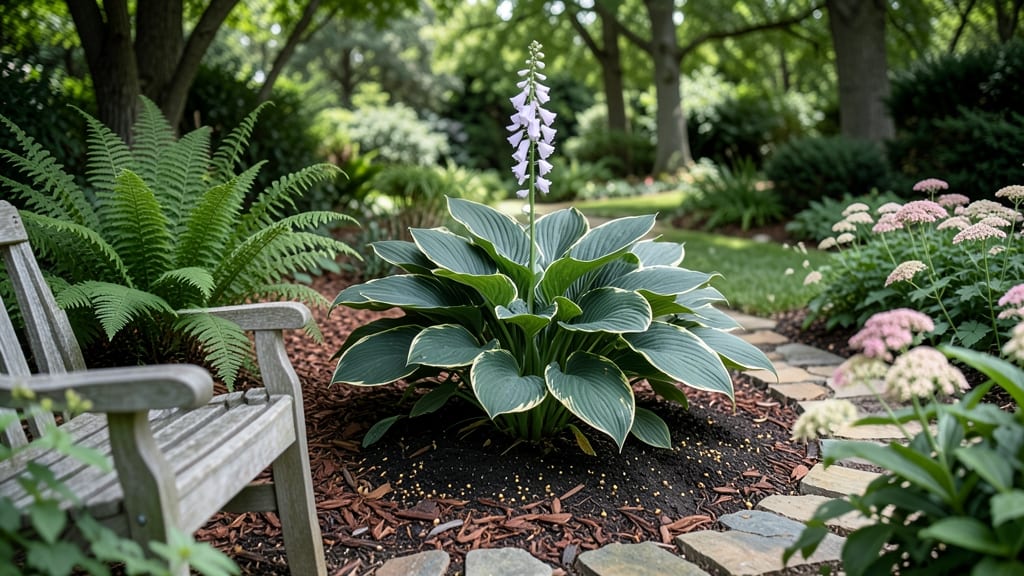
Creating a thriving shade garden with ideas for Zone 6 doesn’t mean settling for dull, high-maintenance greenery.
If you’ve ever stared at a patch of shade and wondered how to turn it into a lush, low-water escape, you’re not alone. The right plants can transform even the darkest corner into a vibrant retreat—without the fuss of constant watering or pruning.
Zone 6’s partial shade offers the perfect backdrop for drought-tolerant perennials, textured foliage, and blooms that last from spring to fall. Think hostas with burgundy edges, astilbes that dance in the breeze, and ferns that thrive in damp soil—all while keeping your water bill in check.
Below, I’ll walk you through plant pairings, layout tricks, and soil secrets to design a shade garden that’s as easy to maintain as it is stunning. Ready to turn that shady spot into your garden’s star?
 Best Window Placement
Top 10 drought-tolerant shade plants for Zone 6 gardens
Creating a lush shade garden in Zone 6 doesn’t mean sacrificing beauty or water efficiency. With the right drought-tolerant plants, you can enjoy vibrant foliage and blooms while reducing irrigation needs.
These low-maintenance perennials and shrubs thrive in partial shade—typically 2-6 hours of sunlight daily—and handle occasional dry spells like pros.
I’ve tested these Zone 6 favorites in my own garden, where they flourish under mature trees and along north-facing walls. The key is choosing plants with deep root systems or waxy leaves that conserve moisture.
From hostas with drought-resistant varieties to ferns that stay lush without frequent watering, these picks deliver year-round interest with minimal effort.
🌿
| Plant Name | Light Needs | Water Needs | Mature Size | Bloom Time |
|---|---|---|---|---|
| Hostas (e.g., 'Halcyon' or 'Blue Angel') | Partial shade (2-4 hrs sun) | Moderate (water weekly) | 1-3 ft tall, spreads widely | Summer (foliage year-round) |
| Astilbe (e.g., 'Fanal' or 'Deutschland') | Partial shade (3-6 hrs sun) | Low (drought-tolerant once established) | 1.5-3 ft tall, 1-2 ft wide | Late spring to summer |
| Japanese Painted Fern ('Aucuba japonica') | Full to partial shade | Very low (thrives on neglect) | 3-6 ft tall, 3-5 ft wide | Year-round foliage |
| Coral Bells (Heuchera 'Palace Purple') | Partial shade (2-4 hrs sun) | Low (drought-resistant) | 1-2 ft tall, 1-2 ft wide | Spring (foliage year-round) |
| Bleeding Heart (Dicentra spectabilis) | Partial shade (3-4 hrs sun) | Moderate (water weekly) | 2-3 ft tall, 1-2 ft wide | Spring to early summer |
| Lungwort (Pulmonaria 'Blue Ensign') | Partial to full shade | Low (drought-tolerant) | 1-2 ft tall, 1-2 ft wide | Early spring |
| Dwarf Fothergilla ('Mount Airy') | Partial shade (3-4 hrs sun) | Low (once established) | 3-4 ft tall, 3-4 ft wide | Spring (white bottlebrush flowers) |
| Sweet Woodruff (Galium odoratum) | Full to partial shade | Very low (self-sustaining) | 6-12 in tall, spreads | Spring (fragrant foliage) |
| Hellebore (Lenten Rose) | Partial to full shade | Low (drought-resistant) | 1-2 ft tall, 1-2 ft wide | Late winter to early spring |
| Oakleaf Hydrangea ('Oakleaf') | Partial shade (3-4 hrs sun) | Moderate (water weekly) | 4-6 ft tall, 3-5 ft wide | Summer to fall |
My top pick for low-maintenance shade gardens is the Japanese Painted Fern. This evergreen perennial handles full shade and drought conditions like a champ, while its striking foliage adds texture year-round. Pair it with Coral Bells for a colorful contrast—their purple leaves glow beautifully in filtered light.
For spring blooms, Bleeding Heart and **Lung
How to design a low-maintenance shade garden layout
A low-maintenance shade garden in Zone 6 starts with smart layering. I’ve learned that the key is balancing height, texture, and bloom times to keep your garden thriving with minimal effort.
By strategically placing plants, you’ll create a lush, year-round display that conserves water and reduces upkeep. Let’s break this down into simple, actionable steps.
The first rule is to start with taller plants at the back. This creates a natural backdrop and prevents smaller plants from getting lost. In Zone 6 shade gardens, I recommend using evergreen shrubs like rhododendrons or hydrangeas (3-6 feet tall) as your foundation.
These provide structure and stay green even in winter. Next, add mid-height perennials like astilbes or ferns (2-3 feet) to fill the middle layer.
Here’s how I layer my shade garden for maximum impact with minimal care:
🌿 Layering Guide for Zone 6 Shade Gardens
Use 6-8 ft shrubs like rhododendrons or pieris. These cast minimal shade on lower layers while providing year-round structure.
Add 2-3 ft perennials like hostas, heucheras, or astilbes. Choose varieties with different foliage colors for visual interest.
Incorporate ground covers like ajuga or lamium to suppress weeds and retain moisture. Add spring bulbs (e.g., bleeding heart) for early color.
Mix early bloomers (e.g., hepaticas), summer stars (e.g., astilbes), and fall interest (e.g., Japanese anemones) for continuous color.
Use 3-4 inches of mulch (e.g., wood chips) to retain moisture. Group plants with similar water needs together for efficient irrigation.
Don’t forget to group plants by texture for a cohesive look. Pair smooth-leaved hostas with fuzzy lamb’s ear or spiky ferns to create contrast. This trick makes your garden feel polished without extra work.
I’ve found that odd-number groupings (e.g., 3 hostas, 5 ferns) create more visual appeal than even rows.
For year-round interest, include evergreen plants like inkberry holly or dwarf plicata maple. These provide structure when other plants go dormant. In Zone 6, I’ve seen these plants thrive with only occasional watering once established.
The secret? Amending the soil with compost before planting to improve drainage and water retention.
Finally, add focal points like a small boulder, birdbath, or ornamental grass to draw the eye. These elements make your garden feel intentional and complete. With this layout, you’ll spend less time weeding and watering and more time enjoying your lush, low-light oasis.