
Tools
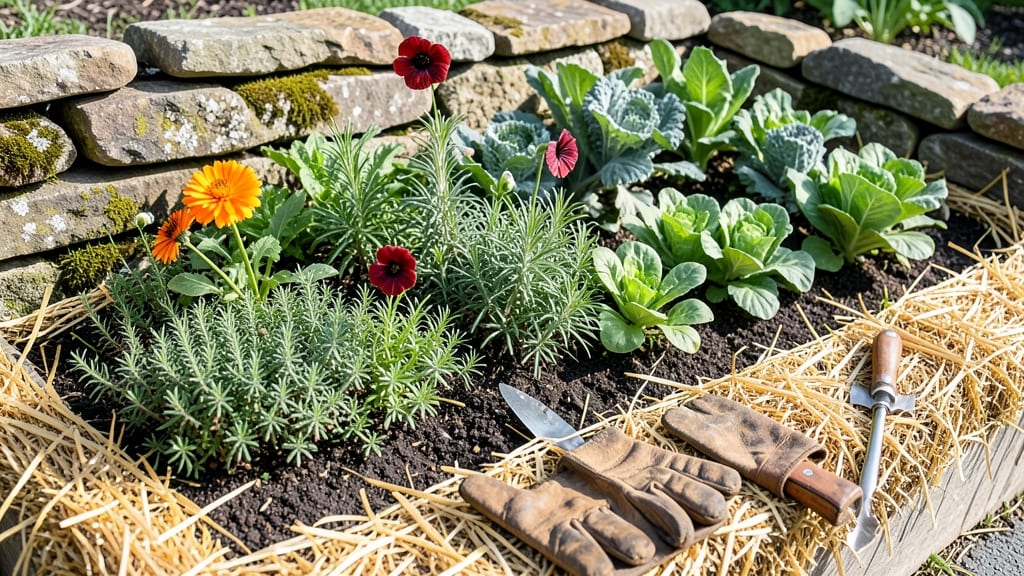
Rock wall raised garden beds should not exceed 24–36 inches in height to ensure proper drainage, soil stability, and accessibility while supporting a wide variety of plants like herbs, vegetables, and shallow-rooted perennials. Use retaining blocks with drainage holes and lightweight, nutrient-rich soil mixes for optimal growth.
Building rock wall raised garden beds offers a natural, durable solution for elevated planting, but there's a reason why most experts recommend keeping them between 24–36 inches tall. 🌱 The height limit balances structural integrity with practical gardening needs—taller walls risk soil compaction and drainage issues, while lower beds make maintenance easier.
I've found that 24-inch beds work best for most vegetables like lettuce and radishes, while 30–36-inch beds accommodate deeper-rooted plants such as tomatoes or peppers. The key is using interlocking stone blocks with built-in drainage channels to prevent waterlogging, which can suffocate plant roots.
Beyond height, the rock wall design itself plays a crucial role. Lightweight soil mixes with added compost or coconut coir help prevent erosion, while the natural stone provides excellent insulation for soil temperature regulation.
This is especially valuable in cooler climates where plants like herbs and strawberries thrive with stable ground temperatures. For best results, I recommend starting with a 6-inch layer of gravel at the bottom of the bed to improve drainage further, then layering in your chosen soil blend.
💡 In This Article
- Optimal Height Limits for Rock Wall Garden Beds
- Plant Selection and Layout Strategies for Rock Wall Gardens
Optimal height limits for rock wall garden beds
The 24–36-inch height range for rock wall garden beds isn't arbitrary—it's rooted in soil physics and plant biology. At this height, the weight of the soil and moisture creates about 1,200–2,400 pounds of pressure per square foot on the retaining walls.
Stone blocks designed for gardening (like those with interlocking teeth) can handle this load, but anything taller risks structural failure from soil compaction over time. The natural porosity of stones also helps distribute this pressure evenly, preventing cracks that could let soil escape. 🔥
Soil temperature plays another critical role. Elevated beds warm up faster in spring—about 5–10°F warmer than ground-level soil—because they're exposed to sunlight on all sides.
This head start is great for cool-season crops like lettuce or spinach, but it can stress heat-sensitive plants like basil if the bed exceeds 30 inches.
The rock walls themselves act as thermal mass, absorbing heat during the day and radiating it slowly at night, which helps maintain stable temperatures for root zones.
For deeper-rooted plants like tomatoes (which need 18–24 inches of soil depth), a 30–36-inch bed provides the perfect balance between root space and temperature control.
Drainage becomes increasingly challenging as height increases. A 24-inch bed with proper gravel layers drains water in about 15–20 minutes after heavy rain, while a 36-inch bed might take 30–45 minutes—long enough for some plant roots to suffocate.
The rock walls' natural gaps allow excess water to seep through, but compacted soil or clay-heavy mixes can clog these pathways. That's why I always recommend a minimum 6-inch gravel base and soil blends with 30–50% perlite or vermiculite to prevent waterlogging.
For containers taller than 30 inches, consider adding internal drainage pipes to create artificial pathways for excess moisture.
Accessibility is the final piece of the puzzle. Bending over 36-inch beds for maintenance becomes physically taxing, especially for older gardeners or those with mobility challenges. The average person's reach is about 30–34 inches when standing, which is why most professional gardeners cap their rock wall beds at this height.
For taller walls, I suggest building tiered systems with 24-inch sections connected by small stone steps, making it easier to tend to different plant levels without strain. This approach also lets you rotate crops seasonally between tiers, maximizing your garden's productivity. 🌿
Here's how different plants perform at various heights:
- 24-inch beds: Ideal for shallow-rooted crops like lettuce, radishes, and herbs (basil, parsley). These plants thrive with 12–18 inches of soil depth and benefit from the faster warming of elevated beds.
- 30-inch beds: Perfect for medium-rooted vegetables like tomatoes, peppers, and bush beans. The extra height gives roots room to grow while maintaining good drainage.
- 36-inch beds (max): Best for deep-rooted perennials like asparagus or artichokes, but require careful monitoring of moisture levels at the bottom.
What most people overlook is how wind exposure increases with height. A 36-inch bed can experience 20–30% more wind velocity at the top compared to ground level, which can dry out soil and stress plants.
To mitigate this, I recommend placing taller beds against a windbreak like a fence or building, or using wind-resistant plants like thyme or oregano at the top tier to act as natural barriers.
The rock walls themselves also provide some protection, but their effectiveness decreases as the bed height increases beyond 30 inches. 💫