
Landscaping
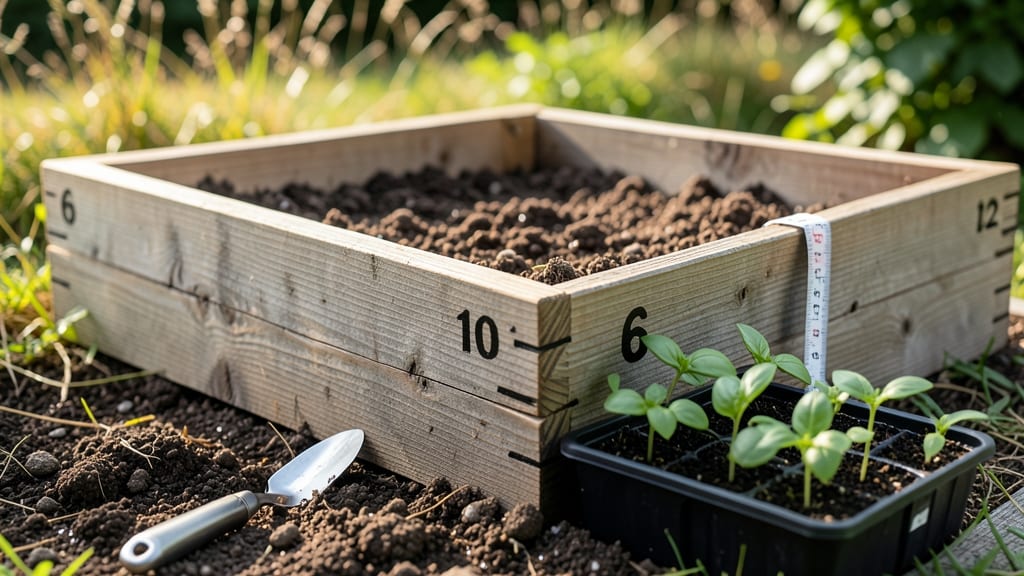
The right raised garden bed height 🌱 is the foundation of a thriving garden—whether you're growing veggies, flowers, or herbs, getting it wrong can stunt roots or waste space.
Struggling to decide how tall your raised garden bed should be? The right height can mean the difference between thriving plants and wasted space—affecting everything from root growth to drainage efficiency.
Most standard beds sit between 6 and 12 inches, but that range shifts depending on your plants, soil type, and even how you plan to tend them. Too shallow, and deep-rooted crops like potatoes or asparagus will suffer; too tall, and you might overcomplicate drainage or accessibility.
Below, I’ll break down the ideal heights for different plant types, how to adjust for better drainage, and when to break the "standard" rules—plus, how to modify your bed for ease of use without sacrificing growing space.

Standard raised garden bed heights: what experts recommend by plant type
Choosing the right raised garden bed height depends entirely on what you're growing. A 6-inch bed might work for shallow-rooted herbs like basil or thyme, but deep-rooted vegetables like carrots or asparagus need 12 inches or more to thrive.
The height directly impacts soil depth, drainage efficiency, and even how easily you can access your plants.
Most gardeners start with a 10-12 inch height for versatility, but I’ve learned that root depth requirements vary wildly between plant types. For example, radishes (a shallow crop) can thrive in just 4-6 inches of soil, while tomatoes need 12-18 inches to support their sprawling roots.
Let’s break it down by category so you can tailor your bed to your garden’s needs.
| Plant Type | Recommended Height | Soil Depth Needed | Notes |
|---|---|---|---|
| Shallow-Rooted Vegetables | 6–8 inches | 4–6 inches | Lettuce, spinach, radishes, green onions |
| Medium-Rooted Vegetables | 8–10 inches | 6–10 inches | Beets, carrots, peas, kale |
| Deep-Rooted Vegetables | 12–18 inches | 12–18 inches | Tomatoes, potatoes, asparagus, corn |
| Herbs | 6–10 inches | 4–8 inches | Basil, parsley, cilantro, rosemary |
| Perennials & Flowers | 10–12 inches | 6–12 inches | Lavender, strawberries, daylilies |
For shallow-rooted plants, like lettuce or radishes, a 6-inch bed is often sufficient. These crops don’t need much depth, and taller beds would just waste space and soil.
I’ve seen gardeners use 4-inch deep beds for microgreens or sprouts, but even that can work if you’re growing fast, shallow crops.
When it comes to medium-rooted vegetables, such as beets or carrots, aim for a 10-inch bed. This gives their roots enough room to spread without crowding, while keeping the bed manageable for weeding and harvesting.
I’ve found that 8-inch beds work well for kale or Swiss chard, which have moderate root systems but don’t need as much depth as tomatoes.
Deep-rooted plants, like asparagus or potatoes, demand 12-18 inches of soil depth. These plants send roots deep into the earth to access nutrients and water, so skimping on height can stunt their growth. For asparagus, which can take years to establish, a 12-inch minimum is non-negotiable—any less, and you’ll struggle with poor yields.
Herbs are a bit more flexible, but most thrive in 6-10 inch beds. Basil and parsley prefer shallower beds, while rosemary or thyme (which have woody stems) benefit from a bit more depth.
I’ve even seen 6-inch beds used for container herbs like chives or mint, though they’ll need more frequent watering.
For perennials and flowers, like lavender or strawberries, a 10-12 inch bed strikes the right balance. These plants often have moderate root systems and benefit from good drainage, which taller beds provide. Daylilies or hostas also appreciate deeper beds, especially if your soil is heavy or clay-like.
One thing I’ve learned is that drainage is just as critical as depth. Taller beds (12+ inches) improve drainage by allowing water to flow through the soil more easily, reducing the risk of root rot.
If you’re in a clay-heavy area, consider adding a drainage layer (like gravel) at the bottom of deeper beds to prevent waterlogging.
Finally, don’t forget about accessibility. A 12-inch bed is tall enough to reduce bending but low enough to avoid back strain. If you’re gardening with kids or mobility challenges, a 10-inch height might be more practical. I’ve seen adjustable-height
How raised garden bed height affects drainage and root space
The height of your raised garden bed isn't just about aesthetics—it directly impacts drainage efficiency and root development. Most gardeners swear by 6–12 inches because this range balances moisture control with ample soil depth for most plants. But why does this matter? Let’s break down the science behind it.
At 6 inches, you’re providing enough space for shallow-rooted plants like lettuce or radishes, while also ensuring water drains quickly enough to prevent root rot. However, deeper-rooted veggies like carrots or potatoes need 12 inches or more to thrive.
The extra height also elevates the bed above hardpan or clay soil, improving aeration and reducing compaction.
Drainage is where height shines—taller beds let excess water escape faster, which is a game-changer in clay-heavy soils or regions with heavy rainfall. But there’s a catch: beds taller than 18 inches can dry out too quickly, forcing you to water more often. The sweet spot? 12 inches for most vegetables, with adjustments for your local climate.
🌱 6-Inch vs. 12-Inch Raised Beds: What’s the Difference?
| Plant Type | 6-Inch Bed | 12-Inch Bed | Best For |
|---|---|---|---|
| Leafy Greens (Lettuce, Spinach) | ✅ Ideal depth | ⚠️ Overkill (may dry out) | Quick harvests, shallow roots |
| Root Vegetables (Carrots, Beets) | ❌ Too shallow | ✅ Perfect depth | Longer growing season |
| Herbs (Basil, Parsley) | ✅ Works well | ✅ Better drainage | Drought-prone areas |
| Tomatoes, Peppers | ⚠️ Risk of root bind | ✅ Optimal root space | Heavy feeders |
*Note: Adjust height for clay soil or heavy rainfall by adding gravel drainage layers.
If you’re dealing with clay soil or frequent downpours, a 12-inch bed with a 2-inch gravel base can work wonders. The extra height lifts roots above the waterlogged layer below, while the gravel ensures excess moisture escapes.
For sandy soils, a 6-inch bed might suffice—just monitor moisture levels closely to avoid drought stress.
One common mistake? Building beds taller than 18 inches without amending the soil. Without proper compost or organic matter, the top layers can dry out while the bottom stays soggy. To fix this, mix in peat moss or coconut coir to improve water retention and aeration.
For accessibility, taller beds (up to 30 inches) can be great, but they require deeper soil prep and more frequent watering.
Pro tip: Test your soil’s drainage by digging a hole, filling it with water, and timing how long it takes to drain. If it’s slower than 4 hours, your bed needs extra height or amendments.
For most gardeners, sticking to 12 inches strikes the perfect balance between root space and drainage efficiency—no guesswork needed!