
Tools
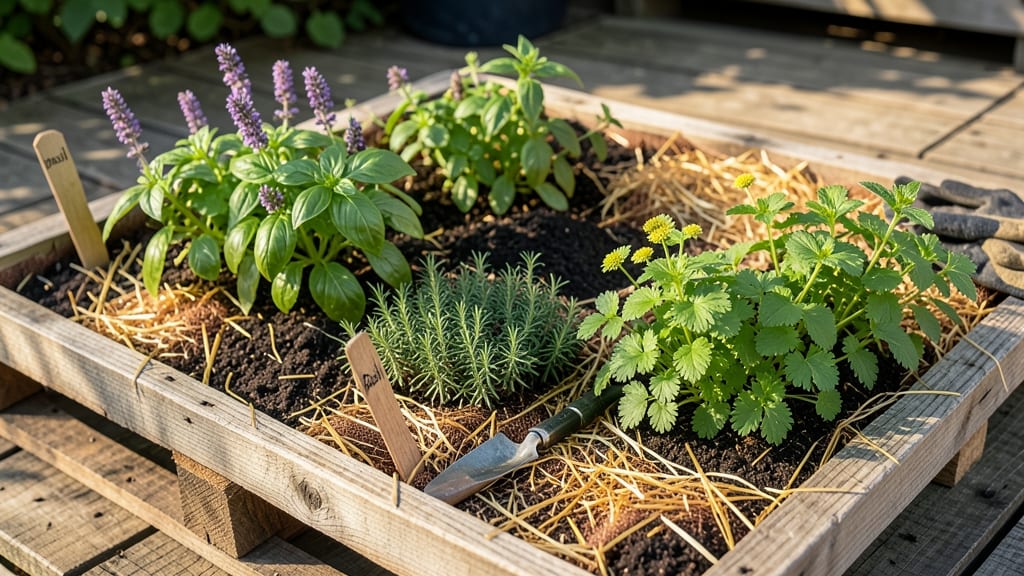
Creating recycled pallet garden beds transforms discarded materials into sturdy, affordable raised planters that promote healthy plant growth while reducing landfill waste. These DIY structures require proper wood treatment and drainage to ensure long-term durability and safety for your garden.
Recycled pallet garden beds are perfect for eco-conscious gardeners looking to maximize space without breaking the bank. 🌱 The key to success lies in selecting the right pallets—always opt for heat-treated or untreated wood (marked "HT" or "MB" stamps) to avoid harmful chemicals like methyl bromide.
Once you've secured your materials, focus on stability by stacking pallets horizontally or vertically, adding gravel at the bottom for drainage, and reinforcing corners with screws or brackets. This setup not only saves money but also reduces waste by giving old pallets a second life in your garden.
For small spaces, consider vertical or tiered designs that maximize growing area while keeping maintenance manageable. Herbs, lettuce, and strawberries thrive in these compact beds, making them ideal for urban gardens or patios.
Just remember to line the bottom with landscape fabric to prevent soil from leaking through the pallet slats, and add a layer of mulch to retain moisture and suppress weeds.
💡 In This Article
- How to Safely Prepare Pallet Wood for Gardening
- Creative Pallet Garden Bed Layouts for Small Spaces
How to safely prepare pallet wood for gardening
Pallets often contain hidden chemicals like methyl bromide, a pesticide banned in the U.S. but still used internationally. The HT stamp (heat-treated) means the wood was heated to 133°F for 30+ minutes to kill pests, making it safe for gardening.
Look for the MB stamp instead of MC (methyl bromide-treated), as the latter can leach harmful residues into soil. Always check for these markings on the pallet's end grain—this is where manufacturers stamp their treatment codes.
Even heat-treated wood needs prep work. Start by removing any loose debris or nails with a hammer and chisel, then sand all surfaces with 80-grit sandpaper to smooth rough edges and remove splinters.
For chemically treated pallets (avoid these for edible gardens), strip the paint with a wire brush or chemical stripper, then seal with food-safe linseed oil or non-toxic wood sealant. Remember, pallet wood absorbs moisture quickly—this prep step prevents rot and extends your garden bed's lifespan by 3-5 years.
The sanding process reveals the wood's true condition. If you notice black streaks or excessive staining, these are signs of chemical treatment. Test for safety by soaking a small wood sample in water for 24 hours—if the water turns discolored or smells chemical, discard the pallet.
For edible gardens, this extra caution prevents soil contamination that could harm root crops like carrots or potatoes. 🌱 The effort pays off with cleaner soil and healthier plants.
After prep, consider adding a 1-inch layer of landscape fabric at the bottom before filling with soil. This prevents soil from falling through the pallet slats while allowing excess water to drain.
For extra protection, line the interior with cardboard boxes cut to size—this creates a temporary barrier that decomposes over time, enriching your soil naturally. The fabric layer alone can reduce soil loss by up to 40% compared to unlined pallet beds.
One common mistake is skipping the moisture test. Pallets stored outdoors often develop mold or fungal growth that isn't visible at first glance. Run your hand along the wood—if it feels slimy or you see dark spots, treat with a 1:10 vinegar-water solution before use.
This simple step prevents soil-borne diseases that could devastate your plants. The vinegar solution also neutralizes any lingering chemical residues from previous treatments.
For long-term projects, consider staining the wood with natural walnut oil or beeswax finish. These options add a protective layer while being completely plant-safe. The oil penetrates the wood, making it more resistant to cracking and warping from temperature changes.
This extra step can double your garden bed's useful life, especially in climates with hot summers or freezing winters, where untreated wood might degrade within a single season.