
Companion Plants
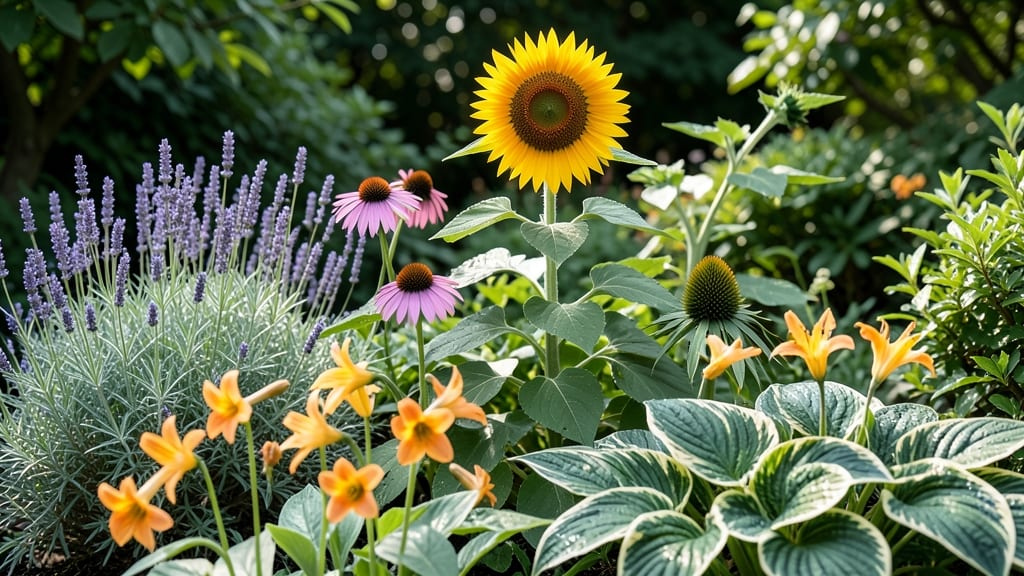
Growing popular garden plants can turn even a small yard into a lush, vibrant retreat without the fuss of high-maintenance varieties.
Picture this: a garden that thrives year-round with minimal watering, pruning, and fussing—just beautiful blooms and lush greenery that pull your space together. The secret is in choosing the right low-maintenance picks that adapt to your climate and lifestyle, not the other way around.
Whether you’re a beginner or just short on time, the right garden plants can deliver color, texture, and even edible rewards with almost no effort.
Below, I’ll break down the top 10 easy-care plants that bring year-round beauty to any space, plus how to pair them for a garden that practically takes care of itself.
Ready to swap the stress for stunning results? Let’s get started with plants that do the heavy lifting for you.
Top 10 low-maintenance garden plants for every season
Creating a stunning garden shouldn’t require endless hours of work. With the right low-maintenance plants, you can enjoy vibrant colors and lush textures with minimal effort. These popular garden plants are perfect for beginners and busy gardeners because they thrive on neglect, resist pests, and adapt to various climates.
Whether you have a sunny patio or a shady corner, these plants will keep your garden looking effortlessly beautiful year-round.
I’ve curated this list based on hardiness, adaptability, and ease of care. Each plant offers unique benefits—from drought tolerance to long bloom times—so you can mix and match to create a garden that’s both functional and stunning.
The best part? Most of these plants require little to no pruning and can handle occasional missed waterings without wilting. Let’s dive into the top 10!
⚠️ NON-NEGOTIABLE: The following summary table provides a quick reference for each plant’s key traits, including sunlight needs, water requirements, and mature size. Use this as your cheat sheet when planning your garden layout.
| Plant Name | Sunlight Needs | Water Needs | Mature Size | Bloom Time | Key Benefits |
|---|---|---|---|---|---|
| Lavender | Full Sun | Drought-Tolerant | 2-3 ft tall | Summer-Fall | Fragrant, pest-repellent |
| Sedum (Stonecrop) | Full Sun-Part Shade | Low | 6-12 in tall | Summer-Fall | Succulent-like, deer-resistant |
| Russian Sage | Full Sun | Moderate | 3-5 ft tall | Summer-Fall | Drought-resistant, long bloom |
| Hostas | Part Shade | Moderate | 1-3 ft tall | Spring-Summer | Shade-tolerant, textured foliage |
| Black-Eyed Susan | Full Sun | Low-Moderate | 1-3 ft tall | Summer-Fall | Pollinator magnet, perennial |
| Salvia | Full Sun | Moderate | 2-4 ft tall | Spring-Summer | Drought-tolerant, vibrant blooms |
| Daylilies | Full Sun-Part Shade |
How to choose the best popular garden plants for your climateSelecting the right popular garden plants for your climate ensures your garden thrives with minimal effort. Start by identifying your USDA hardiness zone—this tells you which plants can survive winter in your area. For example, zones 5-9 allow for a wider variety of perennials like lavender and coneflowers, while zones 10-11 support tropical plants like hibiscus or bougainvillea. Next, assess your garden’s sunlight exposure. Plants like sunflowers and tomatoes need full sun (6+ hours daily), while ferns and hostas prefer partial shade (3-6 hours of sun). Use a sunlight map of your yard to spot areas with varying light conditions—this helps you place plants where they’ll flourish.
Don’t overlook soil type—sandy soil drains quickly, while clay soil retains moisture. Amend your soil with compost or organic matter to improve drainage or water retention. For instance, roses thrive in well-draining soil with a pH of 6.0-7.0, while blueberries need acidic soil (pH 4.5-5.5). A simple soil test kit can save you time and frustration. Prioritize native plants for your region—they’re adapted to local conditions, require less water, and support pollinators like bees and butterflies. For example, purple coneflowers (Echinacea) are drought-tolerant and perfect for zones 3-9. Research local nurseries or extension offices for recommendations tailored to your area. Finally, consider maintenance requirements. If you’re short on time, opt for low-maintenance perennials like sedum or ornamental grasses. These plants need minimal pruning and thrive in various conditions. Group high-maintenance plants (like annuals) in smaller sections where you can focus care without overwhelming your schedule. By following these steps, you’ll create a garden that’s not only beautiful but also climate-adapted and easy to care for. Happy planting! 🌿 |