
Pests
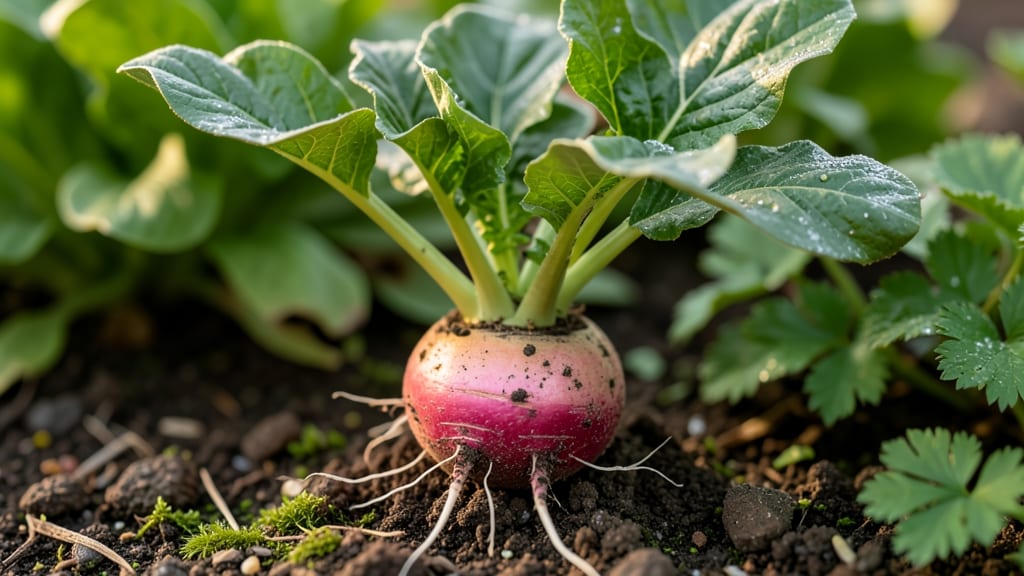
Peter Rabbit’s Mr. McGregor’s garden illustrates natural pest control by showing how rabbits destroy crops through nibbling, while the garden’s fences and traps parallel today’s organic deterrents like repellent plants and physical barriers.
Mr. McGregor’s garden isn’t just a children’s story—it’s a masterclass in ecological pest management. 🌱 The tale highlights how rabbits, like real garden pests, target tender plants, while the garden’s defenses (like fences and traps) mirror modern organic solutions.
For example, planting marigolds or garlic around vulnerable crops creates natural repellents, just as Mr. McGregor’s barriers did. Even the story’s humane approach—trapping rabbits instead of harming them—aligns with today’s ethical pest control methods.
What’s fascinating is how the story’s lessons translate to real-world gardening. 🌿 Raised beds, for instance, deter burrowing pests, while companion planting (like basil with tomatoes) confuses herbivores.
The key takeaway? You don’t need chemicals—just creativity and a little strategic planning to keep your garden thriving, just as Mr. McGregor tried (and failed) to do.
💡 In This Article
- How Peter Rabbit’s Garden Mirrors Real Organic Pest Defense
- Practical Garden Strategies Inspired by Peter Rabbit’s Tale
How peter rabbit’s garden mirrors real organic pest defense
Mr. McGregor’s garden in Peter Rabbit isn’t just a whimsical setting—it’s a textbook example of how plants and pests interact in nature. 🌱 The story highlights how rabbits, like real herbivores, target tender young shoots and leaves, stripping plants down to their stems.
This behavior mirrors real-world garden pests such as deer, squirrels, and even insects that chew through crops. What’s striking is how the garden’s defenses—like the infamous fences and traps—parallel modern organic pest control methods that avoid chemical pesticides.
The ecological parallels extend to plant-based deterrents. For instance, marigolds emit a strong scent that repels rabbits and other pests, much like how Mr. McGregor’s garden might have benefited from these flowers if they’d been included.
Garlic and onions, too, contain sulfur compounds that rabbits dislike, making them excellent companion plants. These natural repellents work by masking the scent of desirable plants, confusing herbivores into moving elsewhere—just as a well-placed fence confuses rabbits in the story.
Physical barriers play a crucial role in both the tale and real-life gardening. Mr. McGregor’s fences and traps are direct parallels to modern netting, chicken wire, or raised beds that keep rabbits out.
For example, a 2-foot-tall fence buried 6 inches deep can prevent rabbits from burrowing underneath, while netting over vulnerable crops creates an invisible shield.
The story also subtly teaches about companion planting: certain plants, like lavender or rosemary, have strong aromas that deter pests, much like how Mr. McGregor’s garden’s layout could have been optimized for natural defense.
What’s often overlooked is the role of predator scents in deterring rabbits. In the wild, rabbits avoid areas where predators like foxes or coyotes have marked their territory. Gardeners can mimic this by using commercial predator urine or even placing fake owls (which rabbits perceive as a threat).
This humane approach aligns with the story’s moral—keeping rabbits out without harming them, just as Mr. McGregor’s traps aimed to capture rather than kill.
The story also highlights the importance of plant selection. Some varieties, like rabbit-resistant lettuce or thorny roses, are less appealing to herbivores. In Mr. McGregor’s garden, the tender carrots and cabbages were prime targets, but tougher, less palatable plants could have reduced the damage.
This principle applies today: choosing resilient plants or those with strong aromas (like mint or basil) can drastically cut down on pest problems without chemicals.
Finally, the garden’s layout matters. Just as Mr. McGregor’s neat rows made it easy for rabbits to find and feast on crops, a diverse, layered garden with tall plants, shrubs, and ground covers disrupts pests’ access.
This mimics natural ecosystems where predators and prey have fewer opportunities to interact directly. 🌿 The takeaway? A well-designed garden isn’t just about aesthetics—it’s about creating an environment where pests have fewer chances to thrive.