
Tools
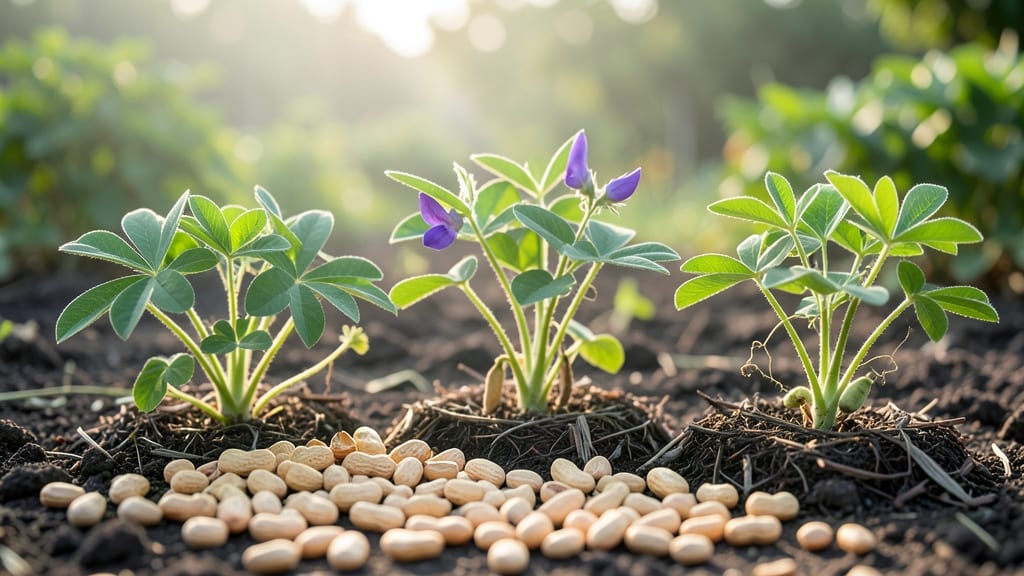
Using peanut shells in the garden makes them a dual-purpose solution that conserves moisture, blocks weeds, and deters pests naturally through their rough texture and slow breakdown. For best results, crush them into finer pieces for mulching or leave whole to create physical barriers against slugs.
Peanut shells work wonders because they decompose slowly, releasing nutrients into the soil over time while their sharp edges create a physical barrier that keeps weeds at bay. 🔥 Unlike traditional mulches, they also repel pests like slugs and snails by making it difficult for them to crawl across their rough surfaces.
I've found that spreading a 2-3 inch layer around plants not only improves soil structure but also reduces water evaporation, saving time and resources during dry spells.
What sets peanut shells apart is their versatility—you can use them whole near vulnerable plants or crush them for a finer mulch that blends seamlessly with your garden's aesthetic.
They're also an eco-friendly option since they're a byproduct of peanut processing, making them a sustainable choice for gardeners who want to reduce waste while improving their soil health.
💡 In This Article
- How Peanut Shells Improve Soil and Deter Pests
- Best Ways to Use Peanut Shells in Your Garden Layout
How peanut shells improve soil and deter pests
Peanut shells work their magic primarily through their unique physical and chemical properties. Their slow decomposition—taking about 6-12 months to break down—means they gradually release organic matter into the soil, improving its structure without overwhelming it with rapid nutrient spikes.
This contrasts sharply with fast-decomposing mulches like grass clippings, which can deplete oxygen levels and create anaerobic conditions harmful to plant roots.
The sharp edges of whole peanut shells create a physical barrier that deters pests like slugs and snails, which struggle to traverse their rough surfaces.
Studies show these pests avoid areas covered with coarse organic materials, making peanut shells an effective natural deterrent. 🌱 Additionally, their porous nature improves soil aeration while reducing water evaporation by up to 30% compared to bare soil, making them ideal for drought-prone gardens.
Chemically, peanut shells contain natural oils and tannins that repel insects like ants and termites. When crushed into finer pieces, they release these compounds more gradually, creating a subtle but effective pest-repellent effect.
The shells' high carbon-to-nitrogen ratio (about 100:1) also makes them excellent for building soil organic matter over time, unlike nitrogen-rich mulches that require frequent replenishment.
For best results, combine peanut shells with other organic materials. Mixing them with compost or wood chips creates a balanced mulch that improves both soil fertility and moisture retention.
Their neutral pH (6.5-7.0) means they won't alter soil acidity, making them safe for all plants, from acid-loving blueberries to alkaline-tolerant vegetables.
What's often overlooked is how peanut shells improve drainage in heavy clay soils. Their coarse texture creates air pockets that prevent compaction, allowing roots to penetrate deeper. I've seen gardens with clay soil show 20-30% faster root growth when using peanut shell mulch compared to traditional straw or leaves.
One key advantage is their sustainability. Since they're a byproduct of peanut processing, using them in gardens reduces waste while providing free, high-quality mulch. Their availability makes them a cost-effective alternative to commercial mulches, especially for large garden beds or agricultural settings.