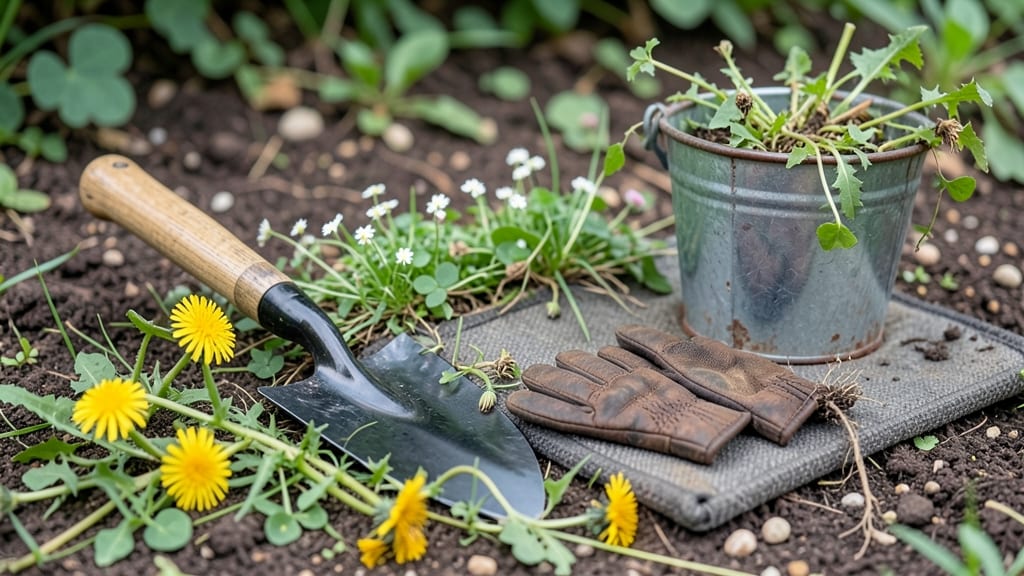
💥 Quick Answer A weed clearing garden tool for heavy-duty weeding needs a sharp, durable blade or serrated edge, ergonomic grip, adjustable depth control, and sturdy yet lightweight build to tackle tough weeds and thick…
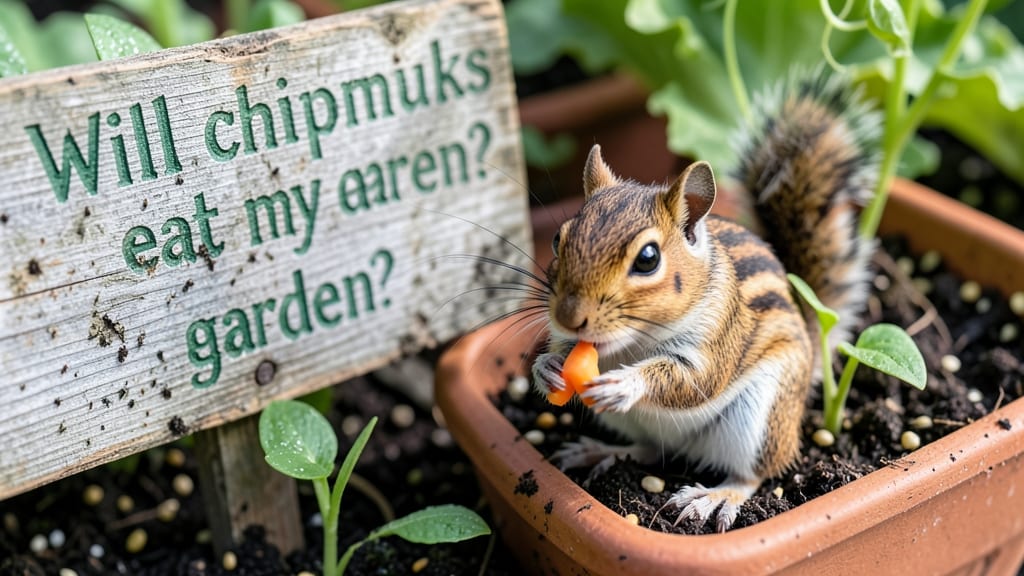
💥 Quick Answer Yes, chipmunks will eat your garden, targeting seeds, bulbs, fruits, and vegetables like lettuce, beans, and tomatoes. Their foraging habits make them persistent pests, especially in early spring and fall…
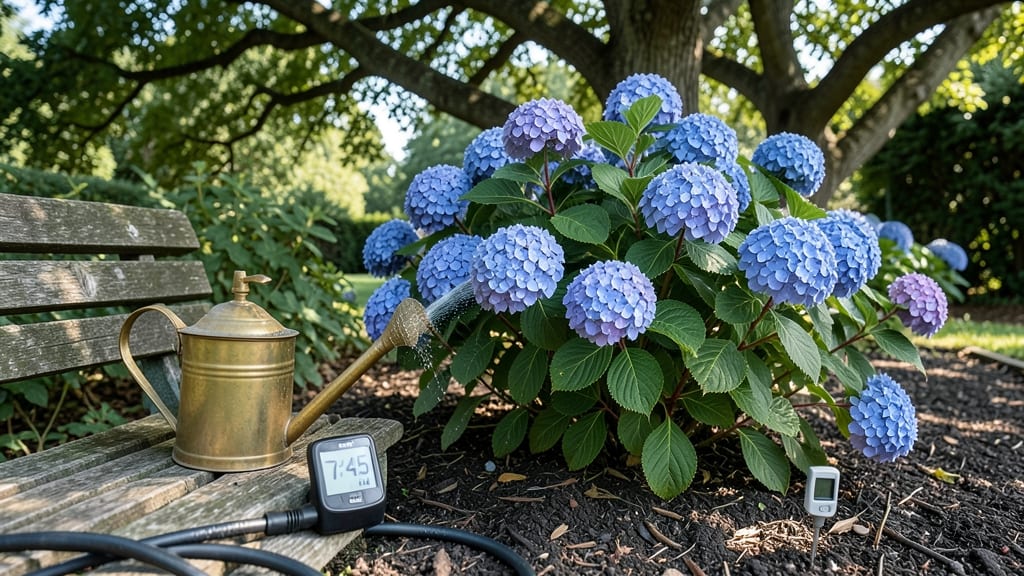
💥 Quick Answer The best time of day to water your garden is early morning—between 4 AM and 8 AM—to ensure optimal absorption, reduce evaporation, and prevent fungal growth while letting foliage dry before nighttime…
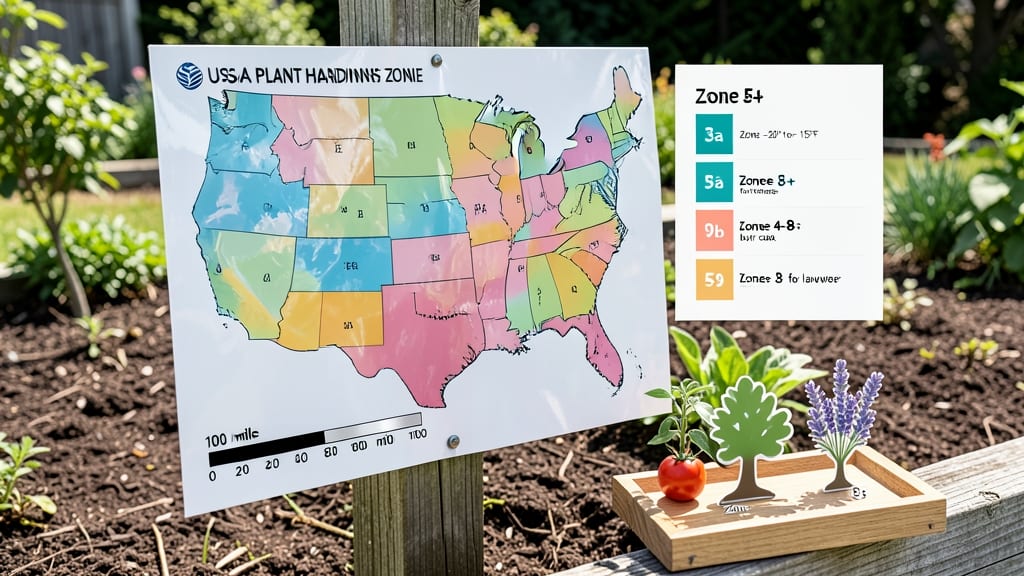
💥 Quick Answer Using a garden zone map by zip code instantly shows your USDA Plant Hardiness Zone, which predicts which plants can survive winter temperatures in your area. This system helps you select perennials…
💥 Quick Answer Gardenias' mosquito repellent properties come from their potent floral aroma, packed with linalool and geraniol—chemicals that disrupt mosquitoes' ability to locate hosts. Planting them near patios or…
💥 Quick Answer To determine how far apart garden rows should be, plan for 18 to 36 inches between rows to balance airflow, sunlight exposure, and easy maintenance, with wider gaps for taller plants or mechanized…
I’ve been digging in the dirt since I was old enough to reach the garden tools my grandfather kept in the shed. There’s something about watching seeds sprout into life that never gets old—whether it’s tomatoes climbing a trellis or herbs growing wild in pots on my windowsill.
This site is my way of sharing the lessons I’ve learned, the plants that thrive in my zone, and the little tricks that make gardening feel less like work and more like a daily conversation with the earth. No fancy degrees here, just dirt under the nails and a whole lot of curiosity.