
Advice
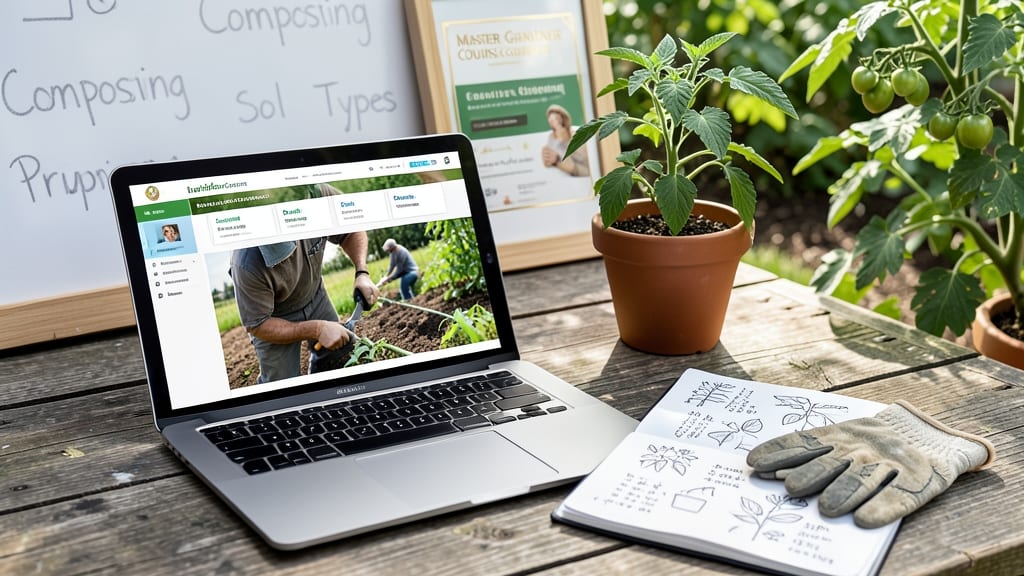
Free online master gardener courses provide certification preparation through university-backed programs and nonprofits, covering essential topics like plant health, soil management, and eco-friendly gardening techniques at no cost. Programs like Oregon State University’s online modules or University of Massachusetts Extension webinars help fulfill volunteer hour requirements for official certification.
These programs typically mirror the curriculum of traditional Master Gardener training, including modules on plant diseases, beneficial insects, and sustainable landscaping. 🌱 What sets them apart is their flexibility—you can complete coursework at your own pace while still meeting the hands-on volunteer hours needed for certification.
Many also include discussion forums where you can connect with instructors and fellow learners, making the experience both educational and community-driven.
For those just starting out, I recommend beginning with introductory courses that offer certificates of completion. These often serve as proof of foundational knowledge when applying for state-specific Master Gardener programs. The best free options combine video lectures with practical exercises, ensuring you're ready for real-world gardening challenges.
One pro tip: always check whether a program is recognized by your state's agricultural extension service before enrolling. Some states have specific partnerships with universities that make the certification process smoother once you've completed the free coursework.
💡 In This Article
- How Free Online Master Gardener Programs Work
- Top Free Online Gardening Courses for Certification Prep
How free online Master Gardener programs work
These online programs function as digital extensions of traditional Master Gardener training, delivered through university-affiliated platforms like Coursera or direct extension websites. 🌱 The structure typically mirrors in-person courses, with modules covering plant pathology, entomology, and soil science—but with added flexibility.
For example, Oregon State University's online modules include video lectures averaging 15-20 minutes each, paired with interactive quizzes that reinforce key concepts like disease diagnosis or beneficial insect identification.
The real magic happens in how they bridge theory with practice. Many programs require 30-50 volunteer hours (a core certification prerequisite) that can be completed locally through community gardens or agricultural extension offices. What's fascinating is how they teach horticultural therapy—a specialized field—through case studies rather than abstract theory.
You'll analyze real-world examples of how gardening programs improve mental health in senior centers or rehabilitation facilities, complete with measurable outcomes.
What sets these programs apart is their use of multimedia learning tools.
Penn State's online modules, for instance, incorporate 3D plant anatomy visualizations that let you "peel back" layers of a leaf to see vascular structures—a concept that's notoriously difficult to grasp from textbooks alone. 🌿 The programs also include virtual lab components where you can practice identifying pests or diagnosing nutrient deficiencies using high-resolution plant images, all without needing a physical greenhouse.
One often-overlooked feature is the built-in peer review system. Many courses require you to submit garden plans or diagnostic reports that get evaluated by both instructors and fellow students. This creates a supportive learning community where you can get feedback on everything from compost recipes to pruning techniques.
The best programs even offer optional live Q&A sessions with horticulturists, bridging the gap between self-paced learning and traditional classroom interaction.
For those wondering about technical requirements, most programs only need a modern browser and basic computer skills. The University of Massachusetts Extension's webinars, for example, run smoothly on devices with screen resolutions as low as 1024x768, making them accessible even for learners with older equipment.
What's impressive is how they've adapted their content for different learning styles—offering both text-based summaries for visual learners and audio descriptions for those who prefer listening to lectures.
The certification pathway becomes clear when you see how these online components translate to real-world credentials. Many states, like California and Washington, accept completion certificates from these programs as proof of foundational knowledge when you apply for their official Master Gardener certification.
The key is verifying whether your state's agricultural extension service has a formal partnership with the program you're considering—some states even offer reduced tuition for their own extension courses if you've completed prerequisite online modules.
What most people don't realize is how these programs actually prepare you for the volunteer work required for certification. For instance, you'll learn about proper record-keeping for garden projects, which directly translates to the documentation needed when you start your volunteer hours.
The programs teach you to track plant growth metrics, soil pH levels, and even volunteer engagement statistics—skills that make your certification application stand out. 💫