
Planting
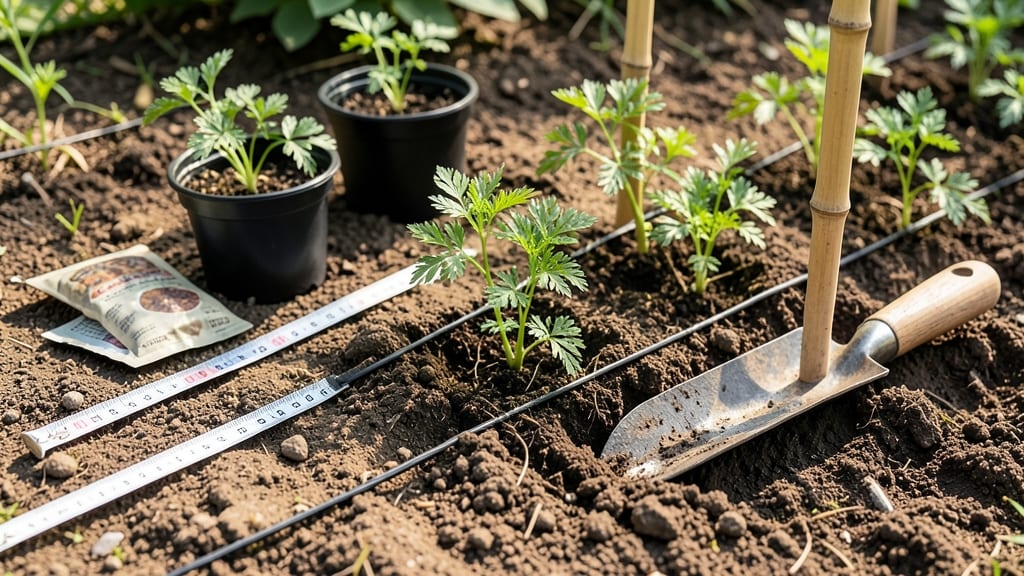
To determine how far apart garden rows should be, plan for 18 to 36 inches between rows to balance airflow, sunlight exposure, and easy maintenance, with wider gaps for taller plants or mechanized equipment.
Getting the spacing right between garden rows isn't just about fitting more plants—it's about creating an ecosystem where your crops thrive. 🌱 Too narrow, and you risk poor airflow that invites fungal diseases or stunted growth from competing roots. Too wide, and you waste precious garden real estate.
I've found that leafy greens like lettuce can handle the tighter end of this range (18-24 inches), while taller plants like corn or sunflowers absolutely need the full 36 inches—or more—to avoid shading their neighbors. The key is matching your spacing to each plant's mature size and growth habits.
What's often overlooked is how row spacing affects your own gardening experience. Wider rows mean less bending and reaching, while narrow rows in raised beds or containers let you grow more in small spaces.
For example, I've used the square-foot gardening method in my urban balcony garden, where plants are spaced just 12 inches apart in a grid—but only because I'm using dwarf varieties and hand-watering. The trade-off? More frequent weeding and monitoring for pests.
Always consider how you'll access your garden when planning those rows!
💡 In This Article
- Optimal Garden Row Spacing by Plant Type and Growth Habits
- Adjusting Row Spacing for Small Gardens and Raised Beds
Optimal garden row spacing by plant type and growth habits
Proper row spacing directly impacts your plants' ability to access two critical resources: sunlight and air. Leafy greens like spinach or kale thrive with 18-24 inches between rows because their broad leaves need room to capture sunlight without shading neighbors.
The science here involves photosynthesis efficiency—when plants are too close, the lower leaves get blocked from light, causing them to yellow and die off prematurely. I've noticed this most dramatically with basil: when planted too tightly, the stems grow leggy and weak as they stretch toward any available light.
Root vegetables like carrots or beets have different needs—they require 24-30 inches between rows to prevent root competition and soil compaction. The roots need space to expand without fighting for nutrients or water.
For example, a carrot planted in crowded rows will grow forked or stunted because its taproot can't penetrate dense soil. Wider spacing also improves soil moisture retention in the root zone, as water can penetrate more evenly rather than pooling between crowded plants.
Tall crops like corn or sunflowers demand the full 36 inches or more to prevent shading and disease spread. The airflow between rows is crucial here—humid conditions created by tight spacing can encourage fungal diseases like powdery mildew.
I've seen this firsthand with my tomato plants: when spaced too closely, the leaves stay damp longer after watering, creating the perfect environment for blight. The taller the plant, the more critical this vertical space becomes to maintain airflow from top to bottom.
Row width also affects weed suppression and maintenance access. Narrower rows (18 inches) create a natural barrier that blocks weed seeds from germinating, while wider rows (>30 inches) make it easier to maneuver between plants with tools.
For instance, in my vegetable garden, the 24-inch rows for beans allow me to use a hoe effectively without damaging the plants. The trade-off? Wider rows mean more soil exposed to weeds at the edges, so I've found that adding a 4-inch mulch layer helps maintain that weed-free zone.
Consider the mature plant size when planning—what looks small in the seed packet can become a 6-foot-tall monster by harvest time. Sunflowers are a classic example: their massive leaves can cast shade over neighboring plants if given less than 3 feet of space in all directions.
Even companion planting requires thoughtful spacing—marigolds planted between tomatoes help deter pests, but they need their own 12-inch radius to establish properly without being overwhelmed by tomato foliage.
One final factor: your climate. In hot, dry regions, wider rows help prevent soil from drying out too quickly between plants, while in humid areas, extra spacing reduces disease pressure.
I adjust my spacing based on seasonal conditions—sometimes adding 6 extra inches during wet summers to improve airflow when plants are at their most vulnerable to fungal infections.