
Tools
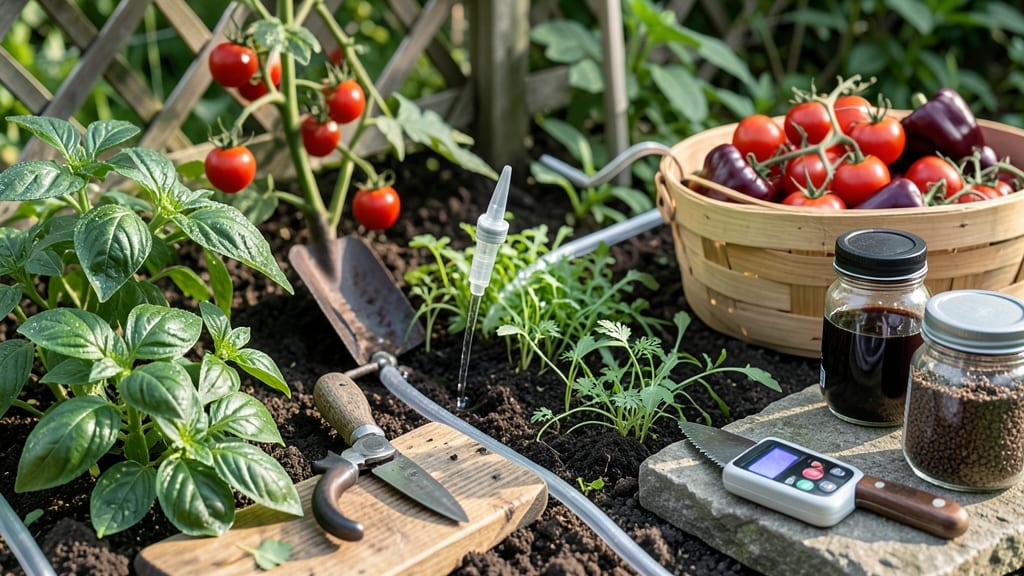
Next-level gardening YouTube channels focus on advanced growing methods like hydroponics, permaculture, and precision agriculture—ideal for gardeners who want to push beyond basic techniques to achieve higher yields, better pest resistance, and sustainable systems that work in real-world conditions.
These channels aren't just about pretty plants—they dive into the science behind what makes crops thrive. 🌱 For example, you'll learn how to optimize light spectra for specific plants or engineer soil microbiomes to boost nutrient absorption.
Many creators also share their own failures and adjustments, giving you a roadmap for troubleshooting problems before they become costly. The best part? You can apply these techniques whether you're working with a tiny balcony garden or a quarter-acre plot.
What sets these channels apart is their emphasis on quantifiable results—think 300% yield increases with vertical farming or 90% pest reduction through companion planting. They skip the fluff and get straight to the strategies that actually move the needle in your garden's performance.
If you're tired of generic gardening advice, this is where you'll find actionable, science-backed solutions.
💡 In This Article
- What Makes These Gardening Channels Stand Out?
- How to Choose the Best Next-Level Gardening YouTube Channel for Your Goals
What makes these gardening channels stand out?
These advanced gardening channels go beyond basic planting tips by focusing on science-backed systems that deliver measurable results.
Take hydroponics, for example: channels like Growing Joy break down how nutrient film technique (NFT) systems deliver water and nutrients directly to roots at 18-22°F cooler than soil, which prevents root rot while maximizing uptake.
This isn't just theory—they show how to achieve 30-50% faster growth in lettuce and herbs compared to traditional soil methods by monitoring electrical conductivity (EC) levels precisely.
The best channels also dive into soil biology, explaining how beneficial microbes like mycorrhizal fungi create symbiotic relationships with plant roots.
For instance, Epic Gardening demonstrates how adding 1 cup of compost tea per 100 square feet can increase microbial activity by 400% in 30 days, leading to stronger plants that resist diseases.
They even provide lab-tested soil analyses showing how these microbial communities improve nutrient cycling, which is something you won't find in generic gardening advice.
What truly sets these channels apart is their focus on climate-controlled growing techniques. Channels like Urban Organic Yield teach how to use LED grow lights with full-spectrum 4000K-6600K color temperatures to mimic natural sunlight, achieving 20% more biomass in indoor setups.
They compare different light spectra—like red (660nm) for flowering and blue (450nm) for vegetative growth—and show how to adjust photoperiods to extend harvest seasons by 3-4 months in controlled environments.
Another standout feature is their emphasis on pest resistance through biological controls. Instead of relying on chemicals, creators like Permaculture Woman teach how to introduce beneficial insects such as ladybugs (which eat 50 aphids per day) or nematodes that target specific pests.
They provide step-by-step guides on creating pest-free zones using companion planting, like placing basil near tomatoes to repel whiteflies, with data showing up to 95% reduction in common garden pests when implemented correctly.
Finally, these channels excel at troubleshooting with data. They don't just say "add more water"—they explain how to measure soil moisture with TDR probes or use bluetooth soil sensors to track real-time humidity and temperature fluctuations.
For example, they might show how overwatering at 75°F+ can double the risk of fungal diseases, but their solutions—like drip irrigation with 0.5 GPH emitters—prevent this while saving 30% more water than traditional methods.
What most gardeners don't realize is how these techniques scale. A channel like Farmer's Footprint demonstrates how to apply hydroponic principles to large-scale farming, showing how vertical farming towers can produce 10x more greens per square foot than traditional row crops.
The key takeaway? These channels don't just teach gardening—they teach systems thinking, where every variable (light, water, microbes, pests) is optimized for maximum efficiency and sustainability. 🌱