
Landscaping
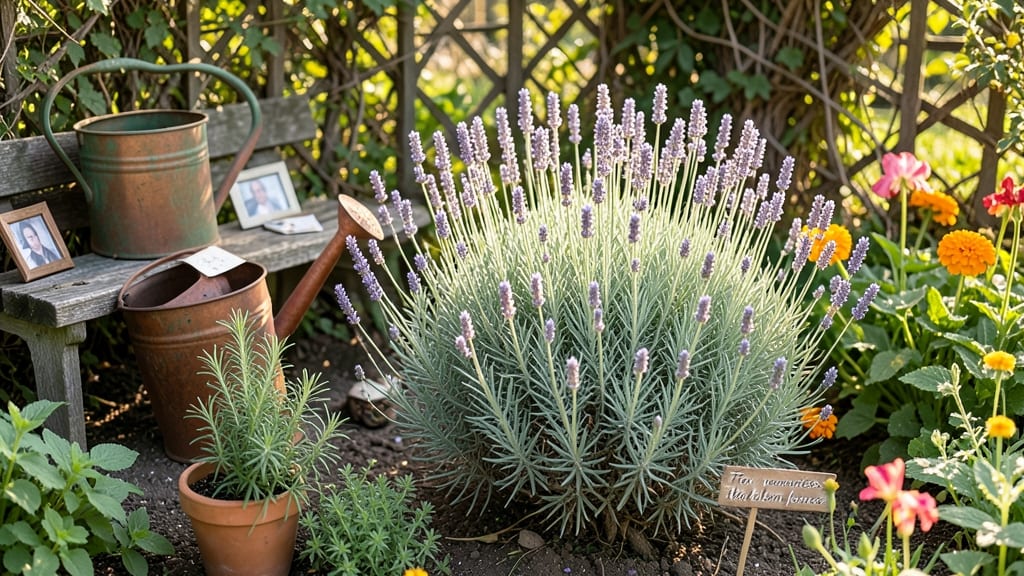
Creating memory garden ideas involves weaving together meaningful plants, heirloom varieties, and intentional layouts that celebrate loved ones or life milestones. Incorporate fragrant roses, cherished childhood plants, or historically significant species to spark emotional connections while designing for long-term care.
Memory gardens thrive when they balance emotional resonance with practical gardening needs. 🌸 The key is selecting plants that carry personal significance—like a grandparent's favorite hydrangeas or flowers from a wedding day—while choosing varieties that suit your climate and sunlight conditions.
For example, lavender isn't just beautiful; its calming scent can evoke memories of summer visits to a relative's home, while sunflowers might represent a child's first garden project. The layout matters too: creating distinct zones for different memories helps maintain the garden's purpose without overwhelming it with upkeep.
Many people start with a central theme—like a "childhood garden" featuring plants from their youth or a "war memorial" with poppies and native species—to give the space focus. Adding physical elements like engraved stones, custom benches, or even a small fountain can deepen the connection to specific memories.
The beauty of these gardens is that they evolve over time, allowing new stories to be woven into the existing landscape as seasons change.
💡 In This Article
- How to Choose Plants for Emotional Impact in Memory Gardens
- Designing a Memory Garden: Themed Layouts and Practical Tips
How to choose plants for emotional impact in memory gardens
Memory gardens work their magic through plants that carry emotional weight, often tied to specific senses and personal histories. Roses, for instance, aren't just flowers—they symbolize love, remembrance, or even a first date, depending on the variety.
The deep red 'Black Baccara' might evoke memories of a wedding, while the delicate 'Iceberg' could represent childhood summers spent picking petals.
What makes them powerful is their fragrance: studies show scent triggers memories more vividly than visuals, with floral aromas activating the amygdala—the brain's memory center—up to 35% faster than neutral smells.
Texture plays an equally important role. Plants like lamb's ear with its fuzzy silver leaves or the velvety foliage of 'Purple Smoke' bush create tactile experiences that ground visitors in the past.
Consider pairing these with plants that have historical significance: poppies for wartime remembrance, sunflowers for childhood joy, or lavender for its calming properties that might remind someone of a grandmother's kitchen.
The key is to select varieties that thrive in your climate—like drought-resistant Russian sage for hot regions—to ensure the garden remains vibrant and meaningful for years.
Botanical longevity matters too. Some plants naturally outlive others: Japanese maples can live centuries, while roses often need replacing every 10-15 years. For lasting impact, incorporate perennials like peony (which symbolizes prosperity) or hostas (known for their resilience).
These choices ensure the garden remains a living tribute without requiring constant replanting. The physical act of tending these plants—pruning, watering—becomes part of the memory itself, creating a cyclical connection to the past.
Color psychology shouldn't be overlooked. Warm hues like red and orange evoke energy and passion, while cool blues and purples create calm and reflection.
A memory garden honoring a creative person might feature bold geraniums or dahlias, while one for a quiet soul could incorporate soft hydrangeas or iris.
The arrangement matters: placing taller plants at the back and fragrant varieties near seating areas maximizes sensory engagement, making each visit feel like stepping into a personal timeline.
Consider adding plants that represent specific life stages. A white rose might symbolize a first love, while marigolds could represent a child's first gardening project. For cultural heritage gardens, include plants native to a family's homeland—like bougainvillea for Mediterranean roots or cherry blossoms for Asian traditions.
These choices transform the garden into a multi-sensory storybook where every plant has a chapter.
Finally, think about plants that require minimal maintenance to honor the person being remembered. Succulents like hens-and-chicks need little water, while ornamental grasses add movement with almost no care. This practicality ensures the garden remains a sustainable tribute rather than a burden.
The emotional impact comes not just from what you plant, but from how it grows—and how it grows with you over time. 🌿