
Lawn
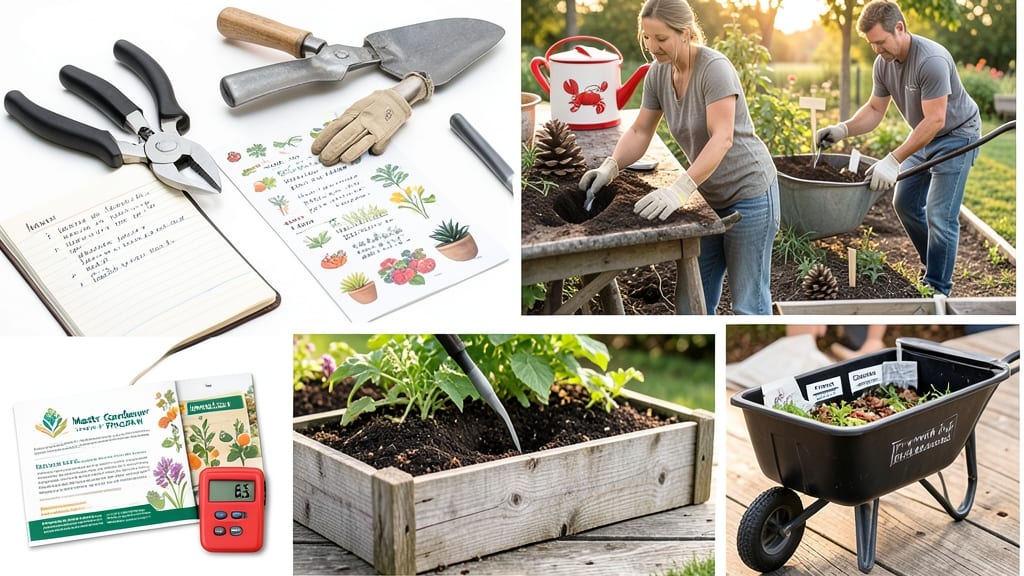
The Master Gardener Program in Maine trains volunteers to become gardening experts through 40+ hours of research-based horticulture education, covering topics like soil health, pest management, and sustainable gardening techniques. Participants must complete training and volunteer hours to earn certification.
The Master Gardener Program in Maine transforms passionate gardeners into community leaders through hands-on horticulture training. 🌱 This initiative, backed by the University of Maine Cooperative Extension, focuses on practical skills like diagnosing plant diseases and designing eco-friendly landscapes.
What sets it apart is the emphasis on Maine-specific challenges, such as managing invasive species and adapting to our unique climate. Beyond the classroom, participants gain access to a network of experienced gardeners and resources to tackle real-world gardening problems.
Once certified, Master Gardeners contribute 50+ hours of volunteer service annually, often working with schools, senior centers, and community gardens. The program's impact extends beyond individual yards—it strengthens local food security and promotes sustainable land use.
Whether you're a seasoned gardener or a curious beginner, this program offers a structured path to deepen your expertise while making a tangible difference in your community.
💡 In This Article
- Maine Master Gardener Training Curriculum Breakdown
- How to Apply and Succeed in Maine’s Master Gardener Program
Maine master gardener training curriculum breakdown
The program’s curriculum is meticulously designed by horticulture experts at the University of Maine Cooperative Extension, blending foundational science with Maine-specific gardening realities.
You’ll dive into plant pathology to understand how fungal diseases like Phytophthora root rot (common in our wet climates) spread and how to prevent them using copper-based fungicides.
The soil health module goes beyond basic composting—it covers mycorrhizal fungi partnerships and how to test your soil’s cation exchange capacity (CEC), which directly impacts nutrient availability for plants.
What makes this training unique is its focus on climate adaptation strategies for Maine’s USDA Hardiness Zones 3-6. You’ll learn how to select cold-hardy perennials that thrive in our short growing seasons (typically 120-150 frost-free days) and how to extend seasons using row covers or cold frames.
The invasive species section is particularly critical—Maine battles species like Japanese knotweed and emerald ash borer, and you’ll study mechanical, chemical, and biological control methods with precise application timing.
Hands-on labs bring theory to life. In the diagnostic clinic module, you’ll practice identifying pests under microscopes, distinguishing between aphids (which excrete honeydew) and lacewings (their natural predators).
The organic gardening segment teaches compost tea brewing ratios (typically 1:10 compost to water) and how to use beneficial nematodes to target soil-dwelling pests like grubs. These practical skills ensure you’re not just memorizing facts but gaining tools to solve real problems.
Maine’s curriculum also emphasizes sustainable landscape design, teaching you to calculate water needs based on evapotranspiration rates (which vary by region) and how to create pollinator-friendly habitats using native plants like bee balm (Monarda) and wild bergamot.
The program even covers edible landscaping techniques, such as integrating fruit trees with ground covers to maximize space in small urban yards—a growing need as Maine’s population urbanizes.
One standout feature is the seasonal adaptation workshops held throughout the year. In winter, you’ll study dormant season pruning techniques for woody plants, while summer sessions focus on heat stress management for vegetables.
These real-time adjustments ensure your knowledge stays relevant to Maine’s ever-changing climate patterns, where average temperatures have risen by 2°F since 1950.
For those with limited gardening experience, don’t worry—the program starts with basic botany refresher courses covering plant anatomy and physiology. You’ll learn how stomata regulate water loss and how phloem transports sugars, knowledge that directly impacts your ability to troubleshoot plant health issues.
The curriculum’s progressive structure ensures everyone, from novices to seasoned gardeners, builds confidence in applying science to their gardens.
What truly sets this program apart is its community-focused approach. You’ll leave with the skills to run workshops, design demonstration gardens, and even mentor new gardeners—turning your passion into a platform for teaching others.
The training isn’t just about growing plants; it’s about growing resilient, knowledgeable gardeners who can adapt to Maine’s challenges. 🌿