
Light Requirements
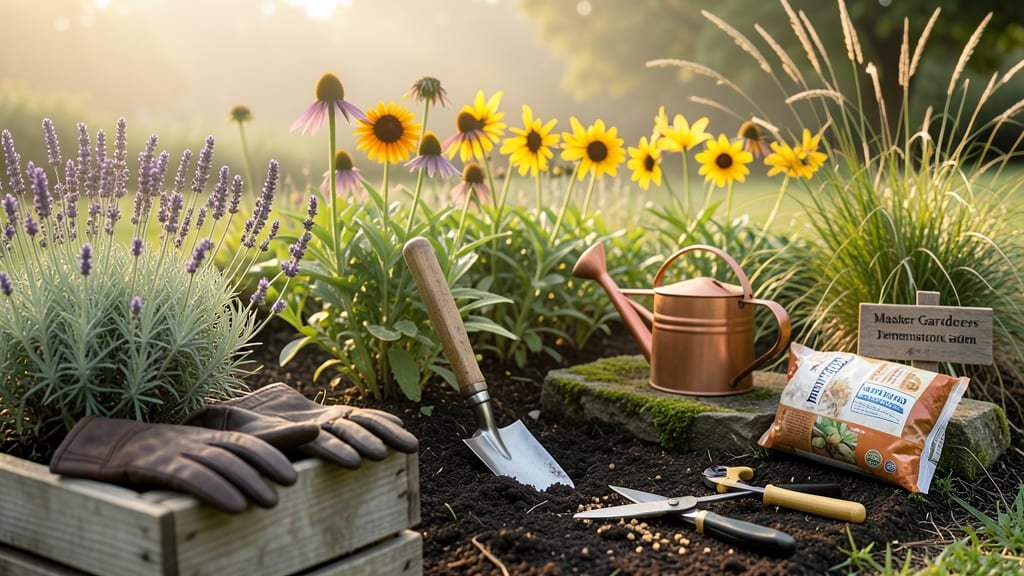
When you search for master gardeners near you, you’ll connect with certified volunteers offering free plant diagnostics, soil testing, and sustainable gardening advice through university-backed extension programs. These experts diagnose pest issues, recommend native plants, and host community workshops—all at no cost.
Master gardeners are trained through rigorous university programs, typically requiring 40-50 hours of horticulture coursework before volunteering their expertise to the public. 🌱 Their knowledge spans everything from organic pest control to drought-resistant landscaping, making them invaluable for both beginners and seasoned gardeners.
Many programs even offer free soil tests through local extension offices, helping you understand what your yard truly needs before planting.
What sets them apart is their hands-on approach—whether it's identifying mysterious plant diseases at a clinic or teaching kids about pollinators at community events. The best part?
Their services are completely free, funded through partnerships with land-grant universities and local governments. This means you get professional-level advice without the cost of hiring a consultant.
💡 In This Article
- What Master Gardeners Do and How They Help
- Where to Locate Master Gardener Programs in Your Area
What master gardeners do and how they help
Master gardeners are university-trained volunteers who transform gardening challenges into solvable puzzles. Their rigorous 50-100 hour certification program covers plant pathology, entomology, and soil science—knowledge that lets them diagnose issues like fungal leaf spots or nutrient deficiencies with precision.
For example, they can tell if your wilting tomatoes are thirsty or infected with verticillium wilt just by examining the stem's vascular patterns under a microscope.
Their expertise extends beyond diagnostics to practical solutions tailored to your local ecosystem. When you bring in a mysterious brown spot on your roses, they'll test for black spot fungus (caused by Diplocarpon rosae) and recommend organic sprays like neem oil or copper fungicide—without pushing expensive chemical treatments.
Many programs also offer free soil testing through county extension offices, analyzing pH, nitrogen, phosphorus, and potassium levels to create customized fertilizer plans that save money and reduce runoff.
What makes their help truly valuable is their community focus. Master gardeners host plant clinics where you can bring samples for identification, teach workshops on topics like "Edible Landscaping" or "Pollinator-Friendly Gardens," and even help low-income families grow food through urban gardening initiatives.
Their advice isn't just theoretical—it's battle-tested in real backyards, from raised beds to community plots, where they've helped neighbors revive dying lawns or establish thriving vegetable gardens.
Their training includes sustainable practices that go beyond aesthetics. For instance, they'll teach you how to create "lasagna gardens" using cardboard and compost layers to build soil without tilling—saving you $50-$100 on soil amendments while improving water retention.
Or they might demonstrate how to attract beneficial insects like ladybugs (which eat aphids) by planting dill or fennel, creating a natural pest control system that eliminates the need for pesticides.
What most people don't realize is how their university partnerships ensure they stay current with research. When a new invasive species like the spotted lanternfly appears in your region, master gardeners are among the first trained to identify it and recommend early intervention strategies.
This real-time knowledge sharing means you're getting advice that's both practical and scientifically grounded—something you won't find in generic gardening books or online forums.
Consider this: A single master gardener can impact hundreds of plants across dozens of yards, multiplying their expertise through workshops and social media groups.
Their work often leads to measurable improvements like 30-50% reductions in water usage through proper irrigation advice or 20-40% increases in crop yields for home gardeners using their soil management techniques. The best part? All this expertise comes at no cost to you.