
Landscaping
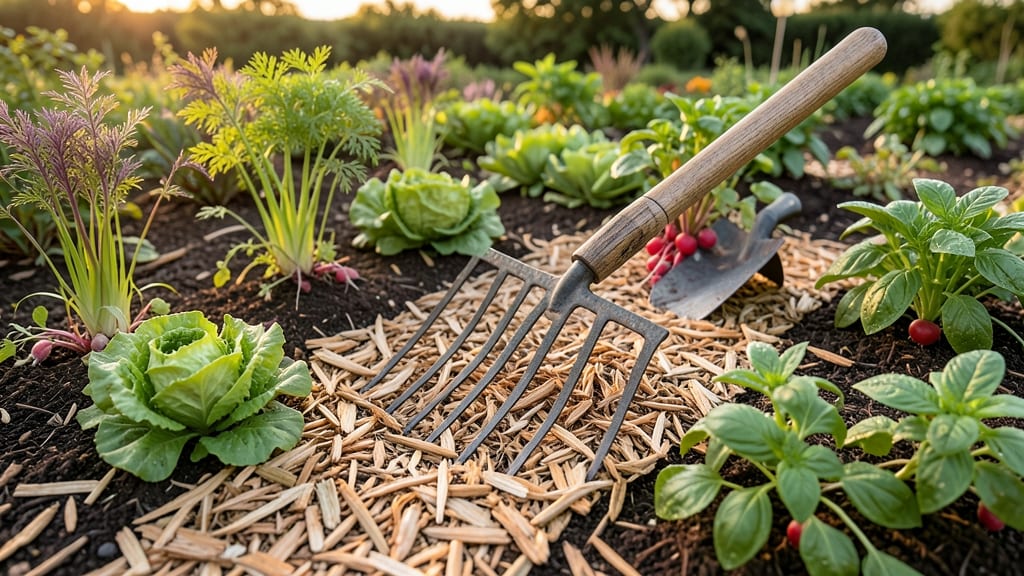
Cedar mulch is generally good for vegetable gardens because it naturally suppresses weeds, retains soil moisture, and deters pests, but its acidity can gradually lower soil pH over time, potentially harming acid-sensitive crops like tomatoes and peppers.
Cedar mulch's natural oils make it a popular choice for gardeners looking to reduce weeds and keep soil consistently moist. 🌱 However, the real concern lies in its long-term impact on soil chemistry—cedar releases compounds that slowly acidify the soil, which can stunt the growth of plants that prefer neutral to slightly alkaline conditions.
For example, leafy greens like lettuce and spinach often thrive under these conditions, while fruiting plants like eggplants may struggle. If you're growing a mix of crops, consider testing your soil pH annually to monitor changes.
For those worried about pH shifts, alternatives like straw or hardwood mulch offer similar benefits without the acidification risk. Straw, in particular, breaks down quickly to enrich the soil with nutrients, while hardwood mulch provides a more neutral pH balance over time.
Both options still help with moisture retention and weed suppression, making them excellent choices for vegetable gardens with diverse plantings.
💡 In This Article
- How Cedar Mulch Affects Soil pH and Plant Health
- Best Mulch Alternatives for Vegetable Gardens
How cedar mulch affects soil pH and plant health
Cedar mulch releases natural oils and phenolic compounds that create a slow acidification process in the soil. As the mulch breaks down, it releases hydrogen ions (H+) that gradually lower the soil's pH level—typically by 0.5 to 1.5 points per year in acidic soils.
This happens because cedar wood contains high levels of tannins and lignins, which are naturally acidic and resist rapid decomposition. 🌿 For comparison, a healthy vegetable garden soil usually maintains a pH between 6.0 and 7.0, while cedar-mulched areas can drift toward 5.0 or lower over time.
The impact on plant health varies dramatically based on crop sensitivity. Acid-loving plants like blueberries (pH 4.5-5.5) or potatoes (pH 5.0-6.0) actually benefit from cedar mulch, showing improved growth and disease resistance.
However, sensitive crops like tomatoes (ideal pH 6.0-6.8) and peppers (ideal pH 6.0-7.0) may exhibit stunted growth, yellowing leaves, or reduced fruit production when soil pH drops below 5.5.
The problem compounds in sandy soils, which have lower buffering capacity and can't neutralize the acidity as effectively.
What most gardeners don't realize is that cedar mulch's acidity also affects beneficial soil microbes. Fungal populations often thrive in acidic conditions, but bacterial communities—critical for nitrogen fixation—can decline.
This microbial imbalance reduces nutrient availability, particularly phosphorus and calcium, which are essential for strong plant structures and fruit development. 🔬 Over time, this can lead to nutrient deficiencies even when fertilizer is applied, as the acidic environment locks nutrients in unavailable forms.
To mitigate these effects, consider these practical strategies: First, apply cedar mulch in 2-3 inch layers rather than thick blankets to slow decomposition. Second, mix in lime (calcium carbonate) annually if you notice pH dropping below 6.0—typically 5-10 pounds per 100 square feet will help balance the soil.
Third, monitor soil pH with a simple test kit every 3-4 months during the growing season to catch shifts early.
Another critical factor is the cedar mulch's source. Western red cedar is more acidic than Eastern red cedar, with pH impacts differing by up to 0.5 points. Always check the mulch's origin label if you're growing sensitive crops.
For container gardens, cedar mulch is particularly risky because the limited soil volume can't buffer the acidity—opt for pine bark fines (pH 5.5-6.5) instead for potted vegetables.
Long-term soil health requires balancing cedar mulch's benefits with its drawbacks. While it excels at weed suppression (reducing up to 80% of weed growth in the first year) and moisture retention (cutting watering needs by 30-40%), its acidification can create a vicious cycle.
Over time, the soil structure may become compacted as organic matter breaks down unevenly, reducing aeration and root penetration. 🌱 This is why many organic gardeners use cedar mulch in rotation with neutral options like straw or composted leaves.