
Lawn
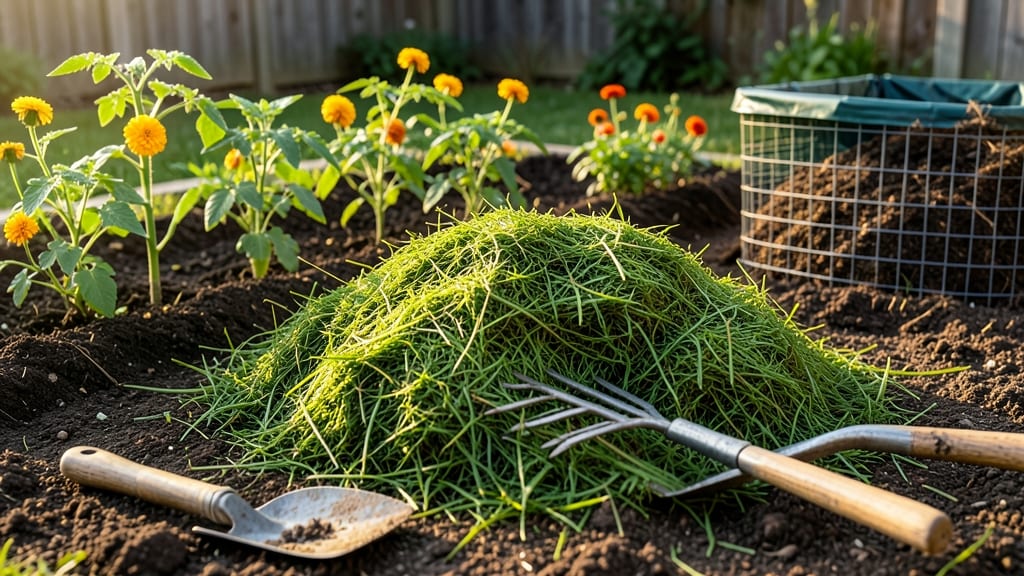
Using grass clippings in the garden as mulch nourishes soil with nitrogen, suppresses weeds, and retains moisture—just leave them short after mowing and spread evenly over garden beds or lawn edges. Avoid thick layers to prevent smothering plants or attracting pests.
Grass clippings act like a natural fertilizer when left on the lawn or garden beds, thanks to their high nitrogen content that feeds soil microbes. 🌱 This "grasscycling" practice not only reduces waste but also cuts down on mowing frequency—many homeowners report saving up to 25% on fertilizer costs by using their clippings.
The key is keeping them finely chopped so they decompose quickly without forming mats that block sunlight from reaching plants below.
For best results, I recommend spreading a thin layer—about ¼ to ½ inch—over garden beds after mowing, especially around nitrogen-loving plants like tomatoes or corn. You can also mix them with straw or wood chips to balance moisture retention and decomposition rates.
Just avoid using clippings treated with herbicides, as these chemicals can harm your garden plants.
💡 In This Article
- How Grass Clippings Improve Soil and Plant Health
- Best Techniques for Mulching with Grass Clippings
How grass clippings improve soil and plant health
Grass clippings are essentially a free, nitrogen-rich fertilizer packed with essential nutrients that feed soil microbes. When you leave them on the lawn or garden, they decompose quickly—typically within 2-4 weeks—releasing nitrogen in a form that plants can absorb almost immediately.
This process, called "grasscycling," mimics natural ecosystems where organic matter constantly replenishes the soil. The nitrogen content in clippings can reach 2-4% by weight, making them comparable to commercial organic fertilizers like blood meal (which contains about 12% nitrogen but requires precise application).
The real magic happens underground. As clippings break down, they stimulate microbial activity, creating a thriving ecosystem of bacteria and fungi that improve soil structure and water retention. These microbes then make other nutrients—like phosphorus and potassium—more available to plants.
For example, studies show that grass clippings can increase soil microbial biomass by up to 30% compared to bare soil. This is why gardens mulched with clippings often produce healthier, more vigorous plants with fewer nutrient deficiencies than those relying solely on synthetic fertilizers.
Unlike other organic mulches like leaves or straw, grass clippings decompose rapidly, making them ideal for short-term soil enrichment. Leaves, for instance, take months to break down and can create a dense mat that blocks air and water, while straw provides excellent insulation but lacks the nitrogen boost.
Clippings strike a balance: they suppress weeds by blocking sunlight, retain moisture by reducing evaporation, and feed the soil simultaneously. The key difference is their speed—clippings work faster but require regular replenishment, while straw or wood chips offer longer-term protection.
One common misconception is that grass clippings will make soil too acidic. In reality, their pH impact is minimal unless you're using them exclusively in massive quantities.
Most lawn grasses grow in slightly acidic to neutral soil (pH 6.0-7.5), so their decomposition maintains a stable pH. However, if your soil is already acidic (below pH 6.0), mixing clippings with lime or wood ash can help balance the pH over time.
The texture of clippings also matters—the finer the chop, the faster they decompose and the less likely they are to create thatch layers that suffocate roots.
For vegetable gardens, the benefits are especially noticeable. Plants like tomatoes, peppers, and leafy greens thrive with the nitrogen boost, often producing 20-30% more yield when clippings are used as mulch compared to bare soil.
The moisture retention is another game-changer—soil under clippings stays 10-15% more moist than uncovered soil, reducing the need for irrigation by up to 30%. This is particularly valuable in drought-prone regions where water conservation is critical.
What most gardeners don't realize is how clippings interact with other organic materials. When combined with straw or wood chips, they create a "layered mulch" that balances decomposition rates—straw slows down the clippings' breakdown, extending their benefits over months rather than weeks.
This combo is especially useful in flower beds where slow decomposition is preferred to avoid smothering delicate roots. The result? A self-sustaining soil ecosystem that requires fewer inputs and produces healthier plants year after year. 🌱