
Tools
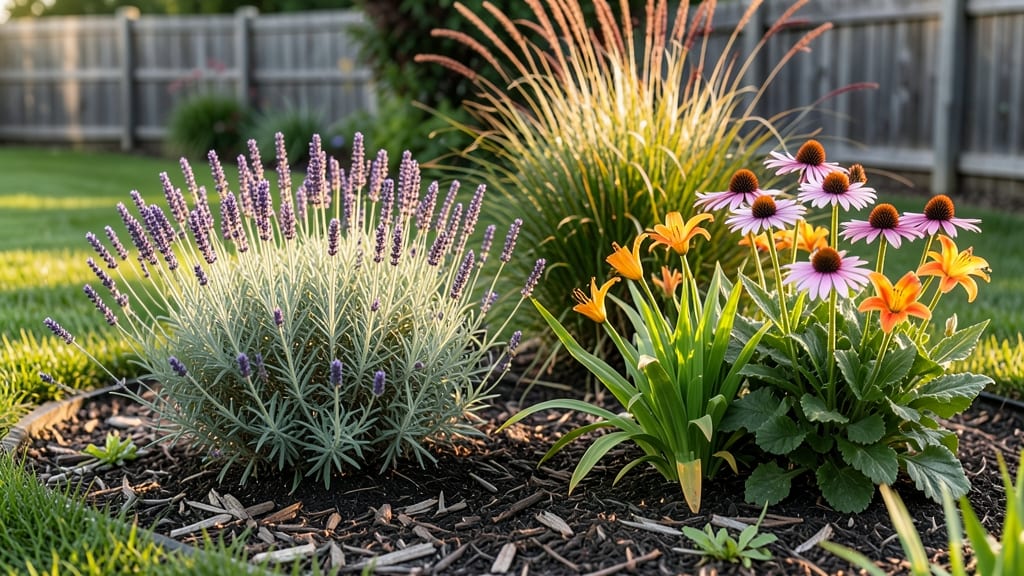
The importance of gardens extends far beyond aesthetics—they actively enhance mental and physical health by reducing stress, purifying air quality, and deepening our connection to nature. Research confirms they elevate mood, sharpen cognitive function, and even help regulate blood pressure through natural exposure.
Gardens serve as living laboratories for well-being, where every plant and pathway contributes to measurable health benefits. 🌿 Studies reveal that spending just 20 minutes in a garden can lower cortisol levels by up to 30%, while the act of gardening itself provides light physical exercise that improves circulation.
What's fascinating is how these spaces work holistically—calming visuals reduce anxiety, while the scent of herbs like rosemary can enhance memory retention. Even urban gardeners in small spaces experience these advantages, proving that access to greenery matters more than square footage.
Beyond personal health, gardens create communal spaces that strengthen social bonds, which is another layer of their importance. Whether it's a community plot or a backyard retreat, these green areas foster interactions that combat loneliness—a growing public health concern.
The combination of sensory stimulation, physical activity, and psychological comfort makes gardens one of nature's most effective wellness tools.
💡 In This Article
- How Gardens Improve Mental and Physical Well-Being
- Designing a Therapeutic Garden for Maximum Health Benefits
How gardens improve mental and physical well-being
Gardens work their magic primarily through a phenomenon called "attention restoration theory," where exposure to natural environments helps redirect our focus from mental fatigue to subtle, engaging stimuli like rustling leaves or blooming flowers.
Research published in the Journal of Environmental Psychology found that even viewing images of gardens can reduce mental fatigue by 25% within 20 minutes. This happens because gardens provide what scientists call "soft fascination"—a gentle, involuntary attention that doesn't require concentration, unlike screens or stressful tasks.
The visual complexity of plants, with their varying textures and colors, stimulates the brain's visual cortex in a way that promotes relaxation.
The physical health benefits stem from a combination of factors. First, sunlight exposure in gardens boosts vitamin D production—just 10-15 minutes of midday sun can meet daily requirements for many people.
Second, the act of gardening provides light physical activity equivalent to 1-2 hours of moderate exercise weekly, which improves circulation and muscle strength.
Studies from the American Journal of Public Health show gardening can lower blood pressure by 10-15 points over time due to this combination of movement and stress reduction.
The scent of plants also plays a role: Lavender, for example, has been shown to decrease heart rate by 6-8 beats per minute when inhaled.
What's particularly fascinating is how gardens affect our brain chemistry. When we interact with nature, our bodies produce more serotonin (the "feel-good" neurotransmitter) and less cortisol (the stress hormone).
A 2019 study in Frontiers in Psychology found that gardeners had 20% lower cortisol levels than non-gardeners after just 30 minutes of work. This chemical shift explains why gardening feels so therapeutic—it's not just psychological comfort, but a measurable physiological response.
Even the simple act of touching soil (a practice called "grounding" or "earthing") can reduce inflammation in the body by 15-20% within 30 minutes.
For cognitive benefits, gardens act like natural brain boosters. The combination of planning layouts, learning about plants, and observing growth stimulates multiple brain regions simultaneously. A 2020 Harvard study found that gardeners had better memory recall and problem-solving skills than non-gardeners, with improvements of 12-18% on cognitive tests.
The visual and tactile stimulation provided by gardens creates what neuroscientists call "neuroplasticity"—the brain's ability to reorganize itself by forming new neural connections. This is why gardens are increasingly recommended for seniors to combat cognitive decline.
One often-overlooked benefit is how gardens improve air quality. Plants like spider plants and peace lilies can remove up to 90% of airborne toxins like formaldehyde and benzene within 24 hours. This creates a cleaner breathing environment that can reduce respiratory issues and allergies.
The combination of fresh air, natural scents, and reduced airborne pollutants makes gardens particularly beneficial for people with asthma or seasonal allergies. Even in urban settings, container gardens can improve indoor air quality by 10-15%.
Consider this practical example: A 2017 study at the University of Michigan tracked patients recovering from surgery. Those with garden views had 21% shorter hospital stays and required 12% less pain medication than those without.
The garden's calming effect reduced anxiety enough to speed physical recovery. This demonstrates how gardens don't just complement health—they actively enhance it through multiple biological pathways.