
Pests
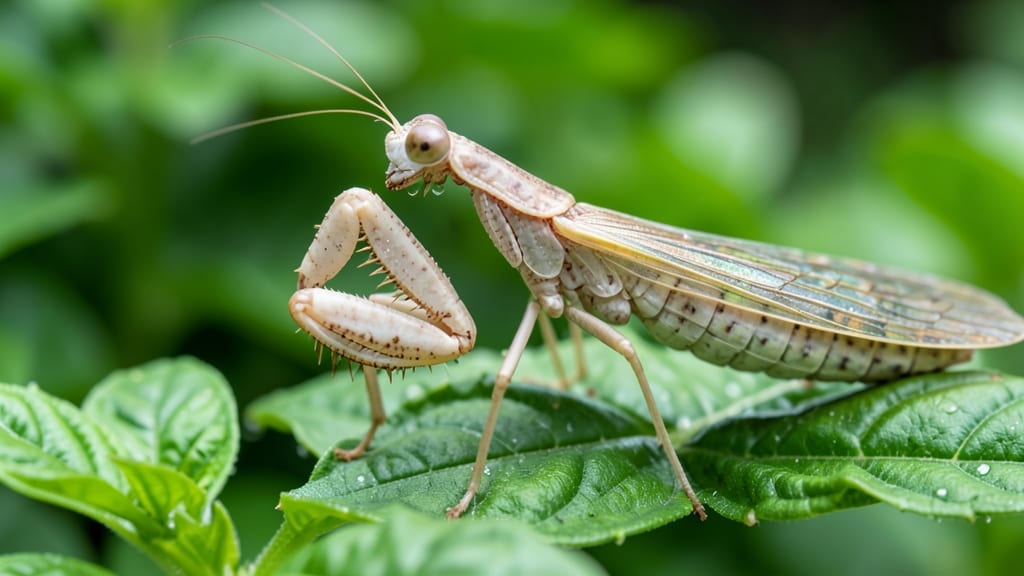
Keeping insects away from your garden doesn’t have to mean reaching for harsh chemicals—there are smarter, plant-based ways to protect your green space.
Dealing with relentless insects can turn your garden into a battleground, but the right strategies keep pests at bay without harming your plants or the planet.
From strategic companion planting to natural barriers like neem oil and physical shields, these methods work quietly in the background while your garden thrives.
Below, I’ll walk you through 10 proven techniques—no chemicals required—to keep your garden lush, healthy, and pest-free all season long.
10 Natural barrier methods to repel garden insects effectively
Few things are more frustrating than watching your garden become a buffet for voracious insects. The good news? You don’t need harsh chemicals to reclaim your plants. Science-backed natural barriers can disrupt insect life cycles while keeping your garden thriving.
These methods focus on prevention, confusion, and physical protection—all without harming beneficial pollinators or your soil.
From companion planting to physical barriers, these strategies work by targeting insects at different stages of their life cycles. Some confuse pests with false trails, while others create physical obstacles they can’t cross.
The best part? Most of these methods are low-cost, easy to implement, and eco-friendly. Let’s dive into the top 10 ways to keep insects at bay naturally.
- 1 Companion Planting: Pair marigolds with tomatoes to repel nematodes and aphids.
- 2 Row Covers: Use floating row covers to block insects while allowing sunlight and water.
- 3 Netting: Protect fruit trees with fine mesh netting to keep out beetles and moths.
- 4 Diatomaceous Earth: Sprinkle food-grade DE around plant bases to dehydrate soft-bodied pests.
- 5 Copper Tape: Wrap copper barriers around pots or garden beds to deter slugs and snails.
- 6 Chicken Wire: Bury chicken wire around garden edges to block burrowing pests like cutworms.
- 7 Beer Traps: Bury a container filled with beer to attract and drown slugs and snails.
- 8 Essential Oil Sprays: Mix peppermint or citrus oil with water for a natural repellent.
- 9 Intercropping: Plant onions or garlic between rows of carrots to deter carrot flies.
- 10 Reflective Mulch: Use aluminum foil or silver plastic mulch to confuse flying insects.
One of the most effective methods is companion planting, where you strategically place plants together to confuse or repel pests. For example, basil planted near tomatoes can deter whiteflies and aphids, while nasturtiums act as a trap crop for aphids, drawing them away from your prized vegetables.
This method is especially useful for vegetable gardens and herb beds.
Physical barriers are another game-changer. Floating row covers made from lightweight fabric allow sunlight, water, and air to reach your plants while blocking insects like cabbage moths and squash bugs. For fruit trees, fine mesh netting can prevent beetles and moths from laying eggs on your fruit. These barriers are reusable, cost-effective, and work immediately upon installation.
If you’re dealing with slugs and snails, a simple copper tape barrier can save your hostas and lettuce. When these pests crawl over the copper, they receive a mild electric shock that deters them.
For burrowing pests like cutworms, burying chicken wire around the base of young plants creates an impenetrable barrier. These methods are particularly effective in shady or moist areas where slugs thrive.
For organic sprays, diatomaceous earth is a powerhouse. This fine, powdery substance is made from fossilized algae and works by dehydrating the exoskeletons of soft-bodied insects like aphids and spider mites.
Simply sprinkle it around the base of your plants and on the foliage. It’s non-toxic to humans and pets once settled, but wear a mask when applying to avoid inhaling the dust.
Strategic companion planting is one of nature's best-kept secrets for organic pest control. By placing certain plants together, you confuse insects, mask vulnerable plants, and create an ecosystem where pests struggle to thrive. The key lies in understanding which repellent plants work best with your vulnerable crops—like tomatoes, roses, or herbs—and how to arrange them for maximum effectiveness. For example, marigolds release a natural chemical called alpha-terthienyl that repels nematodes, aphids, and even Japanese beetles. When planted near tomatoes, they create a protective barrier without chemicals. Similarly, basil deters flies and mosquitoes while enhancing the flavor of nearby tomato plants. These pairings aren’t just effective—they’re simple to implement in any garden layout. To implement these pairings, start by mapping your garden layout. Place repellent plants like marigolds or basil directly around the perimeter of vulnerable crops. For roses, create a garlic border—the strong scent alone deters many pests. If space is limited, use container gardening with mint or lavender near your herbs or vegetables. The goal is to maximize scent disruption and physical barriers. Don’t forget about three-sister gardening, a Native American technique where corn, beans, and squash grow together. The beans fix nitrogen, the corn provides shade, and the squash deters pests with its prickly leaves. This method works wonders for organic pest control while improving soil health. Even a small garden can benefit from these principles! For best results, rotate your companion plants annually to prevent soil depletion and pest adaptation. For instance, if you planted marigolds near your tomatoes last year, try nasturtiums this season. This keeps insects off-balance and ensures your garden remains a thriving, pest-free sanctuary without chemicals. 🌱Best companion plants that naturally deter common garden pests