
Size
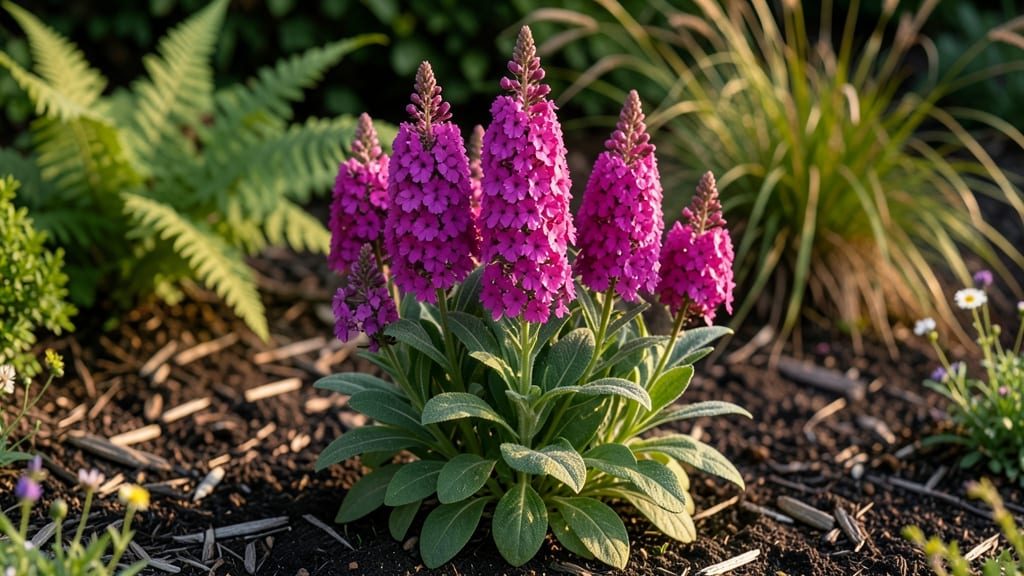
How tall do garden phlox get? These vibrant perennials can grow anywhere from 1 foot to a towering 5 feet, depending on the variety and how you care for them.
If you're dreaming of vibrant summer blooms but wondering whether garden phlox will tower over your garden beds or stay compact enough for containers, you’re in the right place.
The height of these beloved perennials isn’t just about genetics—it’s also about sunlight, soil, and pruning. A dwarf variety like 'David' might stay under 2 feet, while 'Blue Paradise' can reach 4 feet or more with the right conditions.
Below, I’ll break down the exact height ranges by variety, how to control or encourage growth, and the best ways to use phlox in your garden—whether you want them as a delicate border or a bold backdrop.

Garden phlox height by variety: dwarf to giant sizes explained
Garden phlox (Phlox paniculata) is one of those plants that can transform your garden with its vibrant clusters of blooms, but its height varies wildly depending on the variety.
Some stay compact enough for containers and window boxes, while others reach towering heights perfect for backdrop planting. Knowing these differences helps you choose the perfect phlox for your space and design goals.
If you're planning a garden border, cut flower arrangements, or a container garden, selecting the right height is key. Tall varieties like 'Blue Paradise' can create stunning vertical interest, while dwarf types like 'David' add delicate texture without overwhelming smaller spaces.
Let’s break down the exact height ranges and how they impact your garden design.
🌱 Key Takeaway: Phlox height ranges from 12 inches (dwarf) to 5 feet (tall), with most varieties falling between 2-4 feet. The right choice depends on your garden layout and companion plants.
| Variety | Height Range | Best For | Notes |
|---|---|---|---|
| 'David' (Dwarf) | 12–18 inches | Containers, borders, rock gardens | Compact, great for small spaces |
| 'Lipstick' (Semi-Dwarf) | 18–24 inches | Front of borders, cut flowers | Bold blooms, easy to maintain |
| 'Blue Paradise' | 3–5 feet | Backdrop planting, tall borders | Stunning vertical impact |
| 'Jeana' | 2–3 feet | Mixed borders, cut arrangements | Long bloom season |
| 'White Delight' | 3–4 feet | Backdrop, cottage gardens | Fragrant blooms, classic look |
| 'Colorado' | 2–3 feet | Pollinator gardens, borders | Attracts butterflies and bees |
Dwarf varieties like 'David' (12–18 inches) are ideal if you're working with limited space or want to add color to containers. These compact types thrive in window boxes and rock gardens, offering the same vibrant blooms without the height.
Their smaller stature also makes them easier to maintain and less prone to wind damage in exposed areas.
For mid-height phlox (2–3 feet), varieties like 'Jeana' and 'Colorado' strike the perfect balance. They’re tall enough to create a defined border or cut flower garden but still manageable for pruning and deadheading. These types work beautifully alongside daylilies or black-eyed Susans for a layered look.
If you're aiming for a dramatic garden backdrop, tall phlox like 'Blue Paradise' (3–5 feet) deliver stunning vertical interest. These varieties are perfect for mixed perennial beds or as a privacy screen in smaller gardens.
Just be prepared for regular staking and pruning to keep them upright, especially in windy conditions.
When designing your garden, consider companion planting to maximize phlox height advantages. Pair tall phlox with shorter perennials like salvia or catmint to create visual depth. For containers, mix dwarf phlox with trailing plants like lobelia or sweet potato vine for a cascading effect.
One critical factor affecting phlox height is pruning. If you want to control height, pinch back stems in early summer to encourage bushier growth. For taller varieties, avoid heavy pruning—it can reduce blooming.
Always deadhead spent flowers to extend the bloom season and prevent self-seeding, which can lead to unwanted overcrowding.
Soil quality also plays a role in phlox height. Well-draining, fertile soil with a slightly acidic pH (6.0–7.0) promotes healthier growth. Amend heavy clay soil with compost or sand to prevent root rot, which can stunt growth. Morning sunlight (6+ hours) is ideal for maximizing bloom production and height potential.
Whether you love the delicate charm of dwarf phlox or the bold statement of tall varieties, there’s a perfect size for every garden. Start with a mix of heights to create layers, and don’t forget to rotate varieties each season for continuous color. Happy planting! 🌷
How phlox height changes through growth stages: what to expect each season
Watching your garden phlox grow is like witnessing a seasonal transformation—starting as tiny green shoots in spring and evolving into towering floral displays by summer. The height progression of these perennials isn't just about genetics; it's a dance between sunlight exposure, soil nutrition, and your pruning habits.
Understanding these stages helps you shape your phlox into the perfect size for your garden design, whether you want a compact border or a dramatic backdrop.
Most garden phlox varieties follow a predictable growth pattern, but their final height can vary by 30-50% depending on growing conditions. For example, a standard phlox like 'David' might reach 4 feet in ideal conditions but stay under 3 feet if crowded or underfed.
Let's break down what to expect month by month, so you can time your pruning and fertilizing for maximum impact.
- 1 March-April: Shoots emerge 1-3" (0.5-1 ft). Focus on soil prep—add compost to encourage root development.
- 2 May: Stems elongate to 6-12". Provide full sun (6+ hours) to prevent leggy growth. Stake if needed.
- 3 June: Bud formation (12-24"). Apply balanced fertilizer (10-10-10) to boost flowering. Watch for powdery mildew.
- 4 July-August: Peak bloom (2-5 ft). Deadhead spent blooms to encourage reblooming and prevent seed formation.
- 5 September: Post-bloom (1-3 ft). Cut back 1/3 of stems to rejuvenate foliage and reduce disease risk.
- 6 October-November: Dormancy (0-1 ft). Mulch to protect roots. Prune dead stems before winter.
To control height naturally, limit nitrogen-rich fertilizers—they encourage leafy growth over flowers. Instead, use a phosphorus-heavy feed (like 5-10-10) in early summer to promote blooming. For taller varieties, provide stakes or cages early to prevent flopping, especially in humid climates where stems can become top-heavy with blooms.
Pruning isn't just for cleanup—it's a tool to shape your phlox. After the first flush of blooms, cutting back one-third of the stems often triggers a second bloom cycle in late summer.
This also keeps plants more compact and reduces the risk of powdery mildew, which thrives in dense foliage. For dwarf varieties, a light trim after flowering keeps them tidy for container gardens.
Light plays a crucial role in height regulation. Phlox grown in partial shade may stay 20-30% shorter than those in full sun, but their blooms will be smaller and less vibrant.
If your garden has limited sunlight, choose dwarf varieties like 'Nana' (12-18") or 'Lipstick' (18-24") for better performance. In full sun, expect your tallest varieties to reach their genetic potential—just be prepared for more frequent deadheading.
Remember, the first year of growth is all about root establishment. Your phlox may only reach 1-2 feet in its first season, but with proper care, it'll double in height by year two.
Plan your garden layout accordingly—place taller varieties at the back of borders and shorter ones in containers or foregrounds for a layered, professional look. With these seasonal tips, you'll master the art of growing phlox at just the right height for your vision.