
Watering
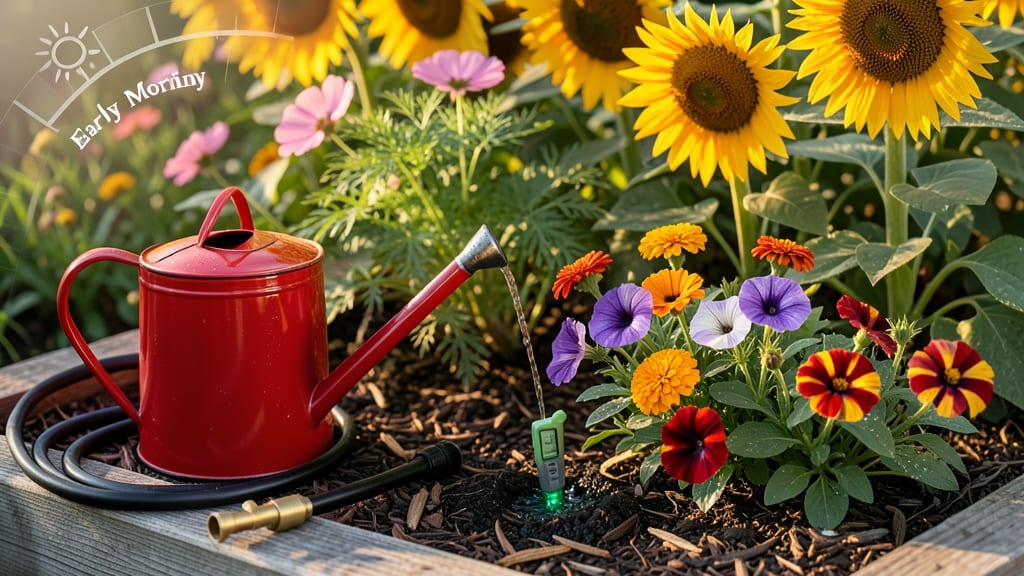
Watering your flower garden correctly keeps those blooms vibrant and healthy, but figuring out how often to water flower garden can feel like guessing—especially when your plants seem to need more or less at different times of the year.
Struggling to keep your flower garden vibrant without overwatering or drowning delicate petals? The right watering schedule isn’t just about frequency—it’s about understanding your plants’ needs, your climate, and seasonal shifts that can turn a thriving garden into a wilted mess overnight.
Too little water, and your flowers wilt faster than a summer sunset; too much, and you risk root rot or fungal diseases that no gardener wants to deal with. The good news? With a few simple adjustments based on plant type, soil, and weather, you can strike the perfect balance.
In this guide, I’ll break down the ideal watering schedule by season, help you spot signs of over- or under-watering, and share pro tips to make your flower garden thrive—no guesswork required.
Seasonal watering schedule for flower gardens by plant type
Watering your flower garden isn’t a one-size-fits-all task—it’s a seasonal dance between plant type, weather patterns, and soil conditions. Annuals like marigolds and petunias demand frequent hydration, while drought-tolerant lavender or sedum thrive with minimal water.
Even perennials and bulbs shift their needs from spring’s gentle rains to summer’s scorching heat. Without a tailored schedule, you risk root rot or wilting blooms—both equally disastrous for your garden’s health.
Climate plays a starring role too. In Zone 6a, where frost lingers until mid-April and returns by mid-October, your watering rhythm must adapt. Spring calls for waking up dormant roots, summer demands deep, frequent soaks, and fall slows the pace as growth fades.
Tropical flowers like hibiscus or canna lilies need year-round moisture, while hardy peonies or daylilies can snooze through winter with barely a sip. Let’s break it down by plant category so you can water with confidence.
🌱 Pro Tip: Always water at the base of plants in the morning to prevent fungal diseases and maximize absorption. Avoid wetting foliage, especially for moisture-loving varieties like impatiens or begonias, which can develop powdery mildew in humid conditions.
| Plant Type | Seasonal Watering Frequency | |||
|---|---|---|---|---|
| Spring | Summer | Fall | Winter | |
| Annuals (e.g., petunias, zinnias, geraniums) | 2-3x/week (deep soak) | Daily (morning) or every other day (heatwaves) | Weekly (reduce as temps drop) | Monthly (minimal) |
| Perennials (e.g., daylilies, black-eyed Susans, coneflowers) | Weekly (establish roots) | 2-3x/week (deep watering) | Bi-weekly (reduce gradually) | Monthly (dormant care) |
| Bulbs (e.g., tulips, daffodils, alliums) | Weekly (after sprouting) | 1-2x/week (once blooming) | None (foliage dies back naturally) | None (overwintering) |
| Tropical Flowers (e.g., hibiscus, canna lilies, bird of paradise) | 2-3x/week (warmth wakes them up) | Daily (or every other day in extreme heat) | Weekly (protect from frost) | Weekly (keep soil slightly moist) |
| Drought-Tolerant (e.g., lavender, sedum, yarrow) | Bi-weekly (spring rains help) | Weekly (deep soak, then let dry) | Monthly (minimal) | None (survive on winter moisture) |
| Moisture-Loving (e.g., impatiens, begonias, hostas) | 2-3x/week (keep soil damp) | Daily (morning watering critical) | Weekly (reduce slightly) | Bi-weekly (prevent drying) |
💡 Note: Adjust for potted plants (water daily in summer) and clay soil (water less frequently—it retains moisture longer). Always check soil 1-2 inches
Watering your flower garden feels like walking a tightrope—too little and your blooms wilt, too much and you risk root rot. The key is learning how your plants communicate their needs through subtle cues. Most gardeners overwater in cool weather or underwater during humidity, but your flowers will tell you exactly what they need if you know what to look for. Start by checking the soil moisture 2-3 inches below the surface. Stick your finger in—if it feels dry, it’s time to water. For container plants, lift them: if they’re light, they’re thirsty. The biggest mistake? Assuming rainfall alone is enough—even a downpour can leave deeper roots parched, while overhead watering often evaporates before it soaks in. ⚠️ Pro Tip: Always water at the base, not the leaves, to prevent fungal diseases like powdery mildew.5 Signs your flower garden needs water (and when to hold back)
🌱 5 Signs Your Flowers Need Water
But here’s where most gardeners go wrong: overwatering in cool weather. Your garden doesn’t need as much water in spring or fall—even if it’s humid. Test this by pressing your finger into the soil; if it’s damp, hold off.
Conversely, underwatering in humidity is another trap. High moisture in the air doesn’t mean the soil is hydrated—check the roots!
For container gardens, the rules change entirely. Potted flowers dry out 3x faster than in-ground plants. If the soil feels dry just ½ inch deep, it’s time to water.
Pro tip: Use a moisture meter or the "knuckle test"—press your knuckle into the soil. If it springs back, water is needed.
When in doubt, troubleshoot wilting with this quick checklist: ☑️ Is it wilting in the morning? → Needs water. ☑️ Is the soil soggy? → Overwatering or poor drainage. ☑️ Are new leaves yellow? → Check for root rot or nutrient deficiency. ☑️ Are only older leaves wilting? → Normal aging, not thirst.
Remember, consistency is key. Flowers like petunias or geraniums thrive on daily watering in summer, while drought-tolerant varieties like lavender can go weeks without a drink. Pay attention to your garden’s unique rhythm, and you’ll avoid the heartbreak of browning blooms.