
Size
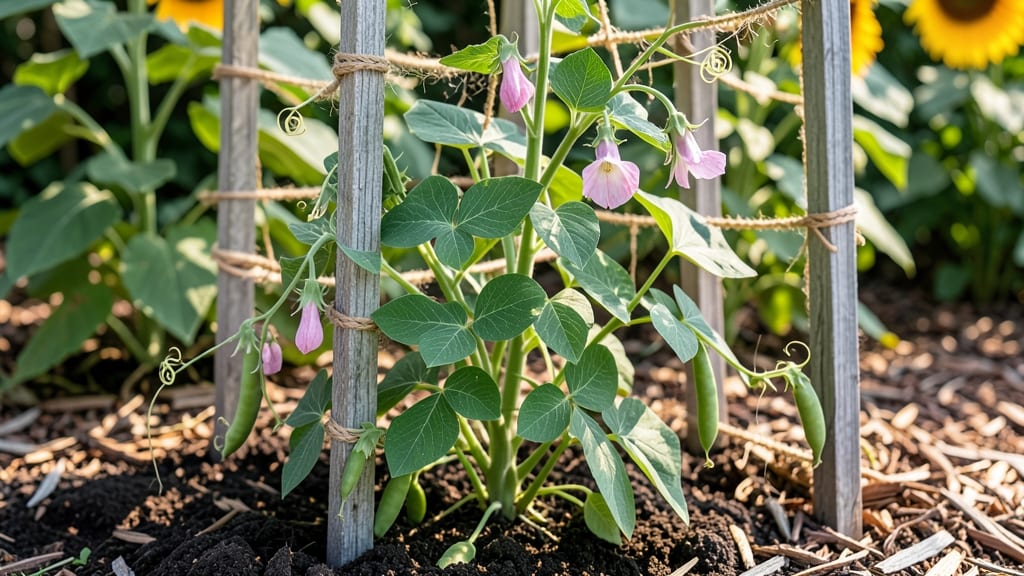
How tall do garden peas grow? They range anywhere from 1 foot to over 6 feet, depending on the variety you choose—and that difference can change how you plan your garden layout.
Wondering how much vertical space your garden peas need? The height of your pea plants can make the difference between a thriving harvest and a tangled mess—especially when choosing between dwarf varieties or towering climbers.
Dwarf varieties like 'Little Marvel' stay compact at just 12–18 inches, making them perfect for small spaces or containers, while traditional climbers like 'Wando' can reach 6–10 feet without support.
Below, I’ll break down the height ranges by popular types, how to choose the right trellis for tall varieties, and simple tricks to maximize your harvest—no matter how much (or little) space you have.

Garden pea height by variety: dwarf vs. tall climbing types explained
Choosing the right garden pea variety depends heavily on your space and gardening style. Some varieties stay compact at just 12-18 inches, while others can climb to 8-10 feet if given proper support. Understanding these differences helps you plan your garden layout and maximize your harvest.
The height of your pea plants isn't just about aesthetics—it affects how you plant, trellis, and even harvest. For example, dwarf varieties like 'Little Marvel' thrive in containers or small gardens, while climbing types like 'Wando' need vertical space or sturdy trellises to reach their full potential.
Garden peas fall into three main categories: dwarf (bush) types, semi-dwarf varieties, and full-climbing types. Each has unique space requirements and growth habits that determine how you'll care for them throughout the season.
If you're working with limited space, dwarf varieties like 'Tom Thumb' or 'Oregon Sugar Pod' are perfect. These bush peas grow just 12-18 inches tall and don’t require trellising, making them ideal for container gardening or small plots.
For vertical gardening, climbing varieties like 'Wando' or 'Oregon Giant' can reach 8 feet or more when given proper support. These types need sturdy trellises or fences to prevent vines from sprawling across your garden and competing with other plants.
Even among climbing peas, there are differences. Sugar snap peas like 'Sugar Sprint' grow 5-7 feet tall, while snow peas like 'Oregon Sugar Pod' stay slightly shorter at 4-6 feet.
Shelling peas, such as 'Green Arrow,' often fall in the middle at 3-8 feet depending on the variety.
When planning your garden, consider not just the height but also the spacing requirements. Dwarf varieties need only 2-3 inches between plants, while climbing types require 4-6 inches to allow airflow and prevent disease. Proper spacing ensures healthy growth and easier harvesting.
Another key factor is the growth habit. Some peas, like 'Mammoth Melting Sugar,' produce long vines that need strong trellis support, while others, like 'Little Marvel,' stay compact. Matching the variety to
Best trellising methods to maximize pea growth and yield
Trellising your peas isn't just about saving space—it's about boosting yield and preventing disease by improving airflow. Tall varieties like 'Wando' or 'Oregon Sugar Pod' can reach 6-10 feet without support, but they'll sprawl and produce fewer pods.
Even dwarf varieties like 'Little Marvel' benefit from light staking to keep pods off damp soil. The key is choosing the right trellis type and installing it at the perfect time.
For climbing varieties, install supports at planting time—peas have tendrils that latch onto structures within 7-10 days. For dwarf varieties, simple bamboo stakes or low wire cages work well, but place them 2-3 inches from plants to avoid damaging tender stems.
The goal is to guide vines upward while keeping the structure lightweight enough to avoid breaking under wind or rain.
When training vines, I always use soft twine or garden netting to avoid damaging the delicate tendrils. For heavy producers like 'Sugar Snap', I reinforce trellises with additional stakes every 3 feet to prevent sagging.
Overcrowding is another common issue—space dwarf varieties 2 inches apart and tall climbers 4-6 inches apart to ensure all plants get enough sunlight and air circulation.
One pro tip I swear by? Harvest regularly to encourage more production. Peas are self-pollinating, so removing spent pods signals the plant to produce new ones. I pick every 2-3 days during peak season, which also makes it easier to spot and remove any diseased leaves before they spread.
This simple habit can double your yield over the season!
For small gardens or containers, consider vertical trellis towers that fit 5-gallon buckets. These work perfectly for 'Mammoth Melting Sugar' and save floor space while keeping peas easily accessible. Just ensure the container has drainage holes and you're watering consistently—container-grown peas dry out faster than in-ground plants.
Remember, the right trellis isn't just about height—it's about supporting healthy growth from day one. Start with the right structure, train vines gently, and keep your plants well-spaced and disease-free. With these methods, you'll turn a tangled mess into a bountiful, vertical harvest that's both productive and beautiful. 🌱