
How To
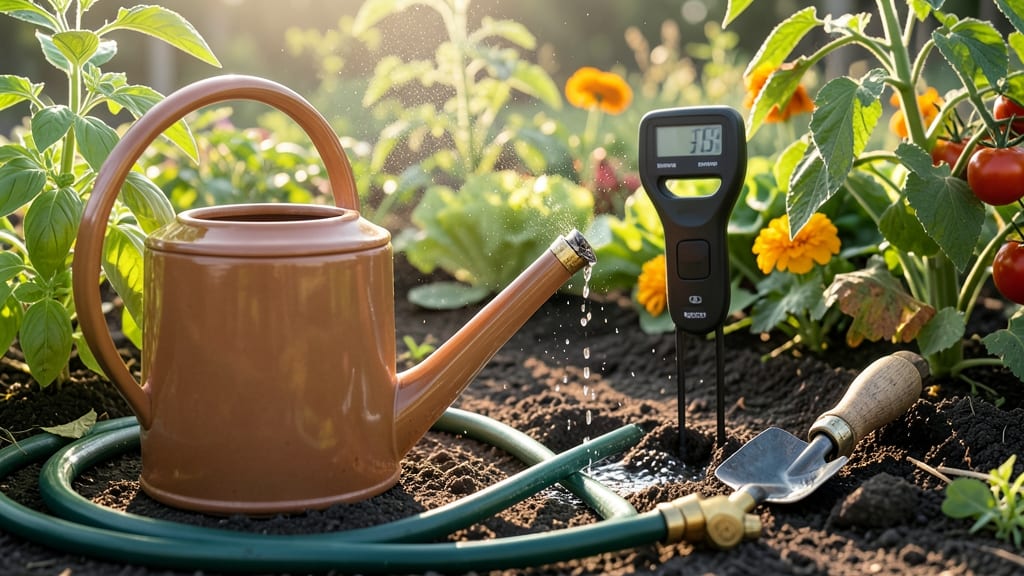
To water garden plants properly, you need a schedule that matches your soil type and climate—because overwatering or underwatering can silently sabotage your hard work.
Picture this: you’re checking your garden one morning, and every leaf is crispy at the edges, or worse, the soil smells like a swamp. Both are red flags that your watering routine isn’t quite right.
The good news? A few simple adjustments—like knowing when to soak deeply or when to let the soil dry slightly—can turn wilted plants into thriving 🌱 powerhouses.
Your soil type is the key to nailing this. Sandy soil drains fast and needs frequent, shallow watering, while clay holds moisture like a sponge and may only need a drink every week. Then there’s the weather: summer heat demands more water, while cooler months can stretch those intervals.
I’ll break down the exact schedule for each soil type, plus how to spot when you’re doing it wrong.
By the end, you’ll know not just how often to water, but when to do it—morning vs. evening—and which tools (like drip irrigation or mulch) can save you time and water. Let’s get your garden growing strong, not struggling.
Watering frequency by soil type: the exact schedule for healthy plants
Your garden’s soil type is the #1 factor determining how often you should water. Clay soil holds moisture like a sponge, while sandy soil drains faster than a sieve. Even loamy soil—the gardener’s gold—has nuanced needs.
Ignoring these differences leads to root rot or wilted plants within weeks. Let’s break down the exact watering schedule for each soil type, so you can keep your garden thriving without guesswork.
Before we dive in, test your soil at home with a simple jar test: Mix soil with water, shake, and let it settle. The layers that form reveal your soil’s composition. Clay settles first (heavy), sand stays on top (light), and silt is the middle layer.
Most gardens are a mix, but knowing the dominant type transforms your watering routine. For example, loamy soil (equal parts sand, silt, clay) is ideal—it retains moisture but drains well, reducing your watering frequency by 30-50% compared to clay.
Why does soil type matter so much? Because root health depends on oxygen and water balance. Clay soil suffocates roots if overwatered, while sandy soil forces plants to drink constantly, leading to stress. Even container gardens need adjustments—potting mix drains faster than in-ground soil, so you’ll water 2-3x more frequently. Below, I’ve mapped out the precise watering schedule for each soil type, including how to adjust for seasonal changes and plant varieties.
| Soil Type | Moisture Retention | Watering Frequency (Spring/Fall) | Watering Frequency (Summer) | Key Adjustments |
|---|---|---|---|---|
| Clay | Very High (holds water like a sponge) | Every 7-10 days (deep soak) | Every 5-7 days (check top 2 inches) | Avoid waterlogging; amend with compost or sand. |
| Sandy | Very Low (drains like a sieve) | Every 2-3 days (light but frequent) | Every 1-2 days (morning watering) | Mulch heavily to retain moisture; use organic matter. |
| Loamy | Moderate (ideal balance) | Every 5-7 days (deep watering) | Every 3-5 days (adjust for heat) | Best for most plants; minimal amendments needed. |
| Silty | td style="padding: 10px;">High (retains moisture but compacts easily)Every 6-8 days (test moisture) | Every 4-6 days (avoid puddles) | Add sand or peat moss to improve drainage. | |
| Potting Mix (Containers) | Low-Moderate (dries faster) | Every 2-4 days (check daily in summer) | Every 1-2 days (use saucers for runoff) | Self-watering pots reduce frequency by 50%. |
Now that you know the baseline schedule, let’s talk seasonal tweaks. In summer, even loamy soil may need daily watering for vegetables like tomatoes or peppers, which are thirsty powerhouses. Use your finger to test moisture: Stick it 2 inches deep—if it’s dry, water.
In winter, cut back by 70% unless you’re growing winter greens or evergreens, which need occasional hydration to survive frost.
For container gardens, the rules change entirely. Potting mix dries out 3x faster than in-ground soil, so even sandy soil in pots might need daily watering in July. Pro tip: Group containers together and water them as a hydrozone to save time.
Add a 2-inch layer of mulch (straw or bark) to slow evaporation and keep roots cool. This simple trick can reduce your watering frequency by up to 40%.
One mistake I see new gardeners make is assuming all plants have the same needs. Succulents and lavender thrive in sandy soil with weekly watering, while hostas and ferns prefer moist, loamy soil and need consistent hydration. Always match your watering schedule to the plant’s native habitat. For example, Mediterranean herbs like
Signs your garden is overwatered or underwatered (and how to fix it)
Even with the best intentions, watering mistakes can turn your thriving garden into a sad, struggling mess. Yellowing leaves, wilting stems, or moldy soil might seem like natural plant behavior, but they’re often water stress signals your plants are screaming for help.
The key is learning to read these visual and tactile cues before damage becomes permanent.
I’ve seen firsthand how overwatering can suffocate roots by cutting off oxygen, while underwatering leaves plants dehydrated and vulnerable to pests. Both extremes stress plants, but the fixes couldn’t be more different. Let’s decode the signs so you can rescue your garden before it’s too late.
Start by checking the leaf color—yellowing between veins often signals overwatering, while brown, crispy edges mean underwatering. Mushy stems or a foul smell from soil are red flags for root rot, a deadly fungal infection caused by soggy conditions.
For underwatered plants, leaves may curl inward or fall off entirely as the plant conserves moisture.
Don’t ignore the soil surface either. Crusty, white deposits (salt buildup) or moldy film on top mean you’re overdoing it. On the flip side, pulled-away soil or exposed roots show your plants are begging for hydration.
Pro tip: Gently tug on a leaf—if it snaps easily, it’s thirsty. If it resists but feels soft, you’ve overwatered.
For overwatered plants, stop watering immediately and let the soil dry out. Improve drainage by adding perlite or sand to heavy clay soil, and consider repotting if roots are circling. Underwatered plants need a deep soak—water until it flows from the drainage holes, then let the top inch dry before repeating. Mulch around the base (2-3 inches deep) to lock in moisture and regulate soil temperature.
Timing matters too! Watering at night keeps foliage damp, inviting fungal diseases like powdery mildew. Morning watering gives plants a full day to dry out. And if your garden has shady spots, reduce frequency by 30%—less sunlight means slower evaporation and longer moisture retention. 🌱
Remember, every plant is unique. Succulents need weeks between waterings, while lettuce stays moist almost daily. Pay attention to your garden’s specific needs, adjust based on the cues, and soon you’ll have a thriving, resilient garden that tells you exactly what it needs. ✂️