
Light Requirements
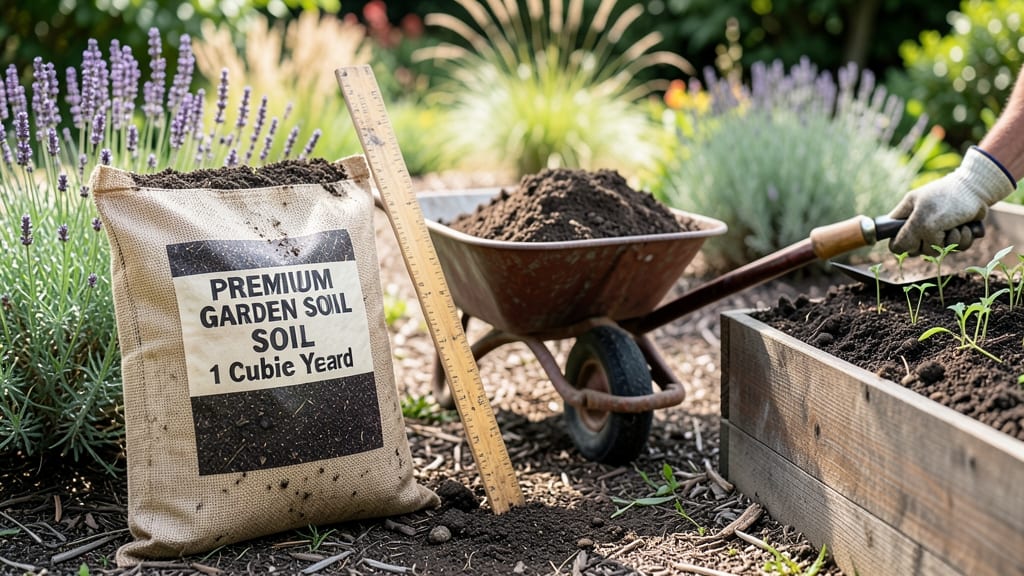
Buying a yard of garden soil typically costs between $15 and $50, depending on the type—whether you need topsoil, compost, or specialty mixes—and factors like your location, delivery fees, and whether you're purchasing in bulk.
A yard of garden soil's price swings this wide because different types serve unique purposes. 🌱 Topsoil, the most common choice for planting beds, usually falls in the mid-range, while compost blends—richer in organic matter—can push toward the higher end.
Regional differences play a huge role too; urban areas often charge more due to higher demand and delivery costs, while rural suppliers may offer better rates for bulk purchases. I've found that calling local landscaping companies or checking seasonal sales at garden centers can save you 15-25% off list prices.
What's interesting is how delivery logistics impact your final cost. Many suppliers offer free delivery for orders over 2 yards, which can make bulk buying more economical for larger projects.
If you're working with a tight budget, consider mixing your own soil—combining 50% topsoil, 30% compost, and 20% sand creates a balanced growing medium for about half the cost of pre-mixed specialty blends.
Always ask about seasonal promotions too; spring and fall are prime times for discounts as suppliers clear out inventory.
💡 In This Article
- Factors Influencing Garden Soil Cost per Yard
- Best Ways to Buy Affordable Garden Soil
Factors influencing garden soil cost per yard
The composition of garden soil directly impacts its price because different blends serve distinct gardening needs. Topsoil, the most common type for planting beds and lawns, typically costs $15-$30 per yard.
It contains about 10-20% organic matter, making it ideal for general use but less nutrient-dense than specialty mixes. On the other hand, compost blends—which include decomposed plant materials—range from $30-$50 per yard due to their higher organic content (often 30-50%) and enhanced fertility.
The science here involves microbial activity: compost-rich soils support more beneficial bacteria and fungi, which break down nutrients into plant-available forms faster than standard topsoil. 🌱
Regional pricing creates another layer of variation because local soil quality and availability affect supply costs. In areas with naturally poor soil (like parts of the Midwest or Southwest), suppliers may charge 10-20% more for imported topsoil or premium mixes.
Delivery fees also play a critical role—urban centers often see $20-$50 extra per yard for delivery, while rural areas might offer free or discounted delivery for orders over 3 yards.
Seasonal demand spikes, particularly in spring and fall, can push prices up by 25-40% as gardeners rush to prepare beds for planting. For example, I once saw compost prices jump from $35 to $50 per yard during a late-March sale event at a local nursery.
Bulk purchasing unlocks significant savings because suppliers reduce per-unit costs by minimizing delivery trips and labor. Ordering 5+ yards often cuts the price by $3-$8 per yard, making it ideal for large projects like vegetable gardens or landscape renovations. The economics here mirror those of construction materials—scale matters.
For instance, a 10-yard order of topsoil might drop from $25/yard to $18/yard, saving you $70 total. However, storage becomes a consideration; improperly stored soil can compact or dry out, reducing its effectiveness. Always check if the supplier offers weatherproof covers for bulk orders to preserve quality. ✨
Premium blends—like those designed for container gardening, acid-loving plants, or hydroponics—can cost $50-$100 per yard due to specialized ingredients. These mixes often include perlite, vermiculite, or worm castings, which improve drainage and aeration. The trade-off? While they’re pricier upfront, they can reduce fertilizer needs by 30-50% over time.
For example, a $60 bag of orchid mix (per cubic foot, equivalent to ~0.03 yards) contains 50% bark and 20% sphagnum moss, creating an ideal microclimate for epiphytic plants. Understanding these trade-offs helps you balance short-term costs with long-term gardening success.
One often-overlooked factor is soil testing and amendments. If your local soil lacks essential nutrients (like nitrogen or phosphorus), suppliers may recommend custom-blended mixes that include lime, sulfur, or slow-release fertilizers. These tailored solutions can add $5-$15 per yard but prevent costly corrections later.
For instance, acidic soils (pH < 6.0) might need pelletized lime, while alkaline soils (pH > 7.5) benefit from elemental sulfur. Always ask for a soil test report before purchasing—it’s the best way to avoid overspending on unnecessary additives. 💫
Finally, consider the environmental and ethical sourcing of your soil. Organic-certified compost or locally sourced topsoil may cost 5-15% more but support sustainable practices and reduce carbon footprints from long-distance transport.
For example, worm castings (a premium amendment) can cost $40-$60 per cubic foot, but their nutrient density (5x that of synthetic fertilizers) makes them cost-effective for high-value crops like tomatoes or peppers.
If sustainability is a priority, look for suppliers with USDA Organic certification or those that use composting programs to recycle yard waste into soil.