
Light Requirements
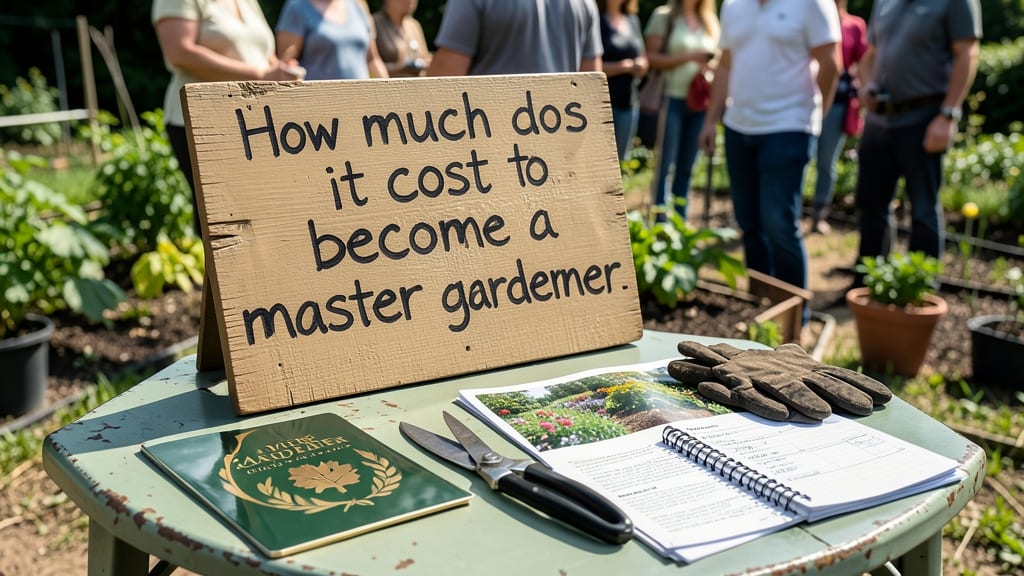
Costs to become a master gardener typically range from $200 to $600, including tuition, training materials, and program fees, though regional differences, certification exams, and additional supplies can increase expenses to $1,000 or more in some areas. Financial aid options like scholarships or employer support may help offset these costs.
Many programs partner with local extension services, which often keep tuition affordable while covering core materials. 💛 However, certification exams—sometimes priced separately—can add $50-$150 depending on your state. I've seen programs in urban areas charge more for specialized workshops, while rural programs occasionally offer discounts for volunteers.
Always check if your local agricultural college or county office provides financial assistance, as some waive fees for low-income applicants.
Don't forget to budget for optional but common expenses like gardening tools, seed packets, or even a uniform if required. Some programs even recommend purchasing a soil testing kit upfront.
The good news? Many graduates recoup costs through volunteer hours or by leveraging their certification for side gigs like landscape consulting.
💡 In This Article
- Master Gardener Program Cost Factors by Region
- Hidden Expenses and Ways to Save on Master Gardener Training
Master gardener program cost factors by region
Public university extension programs—like those offered through land-grant universities—typically charge the lowest tuition, often between $150 and $300, because they receive state funding and partner with county agricultural offices.
For example, programs in states like Iowa or North Carolina frequently fall in this range, with tuition covering core materials like textbooks, online modules, and access to research databases.
Private programs or those affiliated with botanical gardens, however, can cost $500-$800, as they often include hands-on workshops, expert-led seminars, and premium resources.
The certification exam fee is another critical factor, usually ranging from $50 to $150, depending on whether it's administered by a state board or a third-party organization. Some states bundle this cost into the tuition, while others charge it separately.
For instance, California's Master Gardener Program includes the exam fee in its $350 tuition, but Texas requires an additional $100 exam fee, pushing total costs closer to $500. Urban areas often see higher fees due to increased overhead for facilities and specialized instructors.
State partnerships with extension services also play a huge role in cost control. Programs affiliated with these services frequently offer sliding-scale fees based on income or volunteer commitments.
For example, the University of Florida's program waives fees for volunteers who commit to 50+ hours of community service, while programs in less populated regions may offer group discounts for local clubs or nonprofits.
This partnership model helps keep costs transparent and accessible, especially in rural areas where funding is tighter.
Regional climate and plant diversity can indirectly influence costs too. Programs in drought-prone states like Arizona or Nevada might include additional fees for water-conservation workshops or native plant databases, adding $50-$100 to the total.
Conversely, programs in humid climates like Louisiana or Florida may focus more on pest management resources, which are often provided at no extra charge through state agricultural initiatives. Always check if your program includes access to local plant nurseries or seed banks for discounts on gardening supplies.
One often-overlooked cost is travel. Programs in remote areas may require attendees to cover $20-$50 per session for parking or transportation, while urban programs might offer virtual options to reduce these expenses. Some states, like New York, even provide stipends for volunteers who travel long distances to complete their training.
If you're considering a program, ask about hidden logistical costs upfront—some extension offices offer travel reimbursement forms for approved expenses.
Finally, consider the long-term value of regional pricing. While a $600 program in a high-cost city might seem steep, it could include access to urban farming networks or greenhouse facilities that justify the investment.
In contrast, a $200 rural program might lack advanced horticulture courses but could offer deeper connections to local farmers' markets. Weigh these trade-offs carefully based on your gardening goals and career aspirations.