
How To
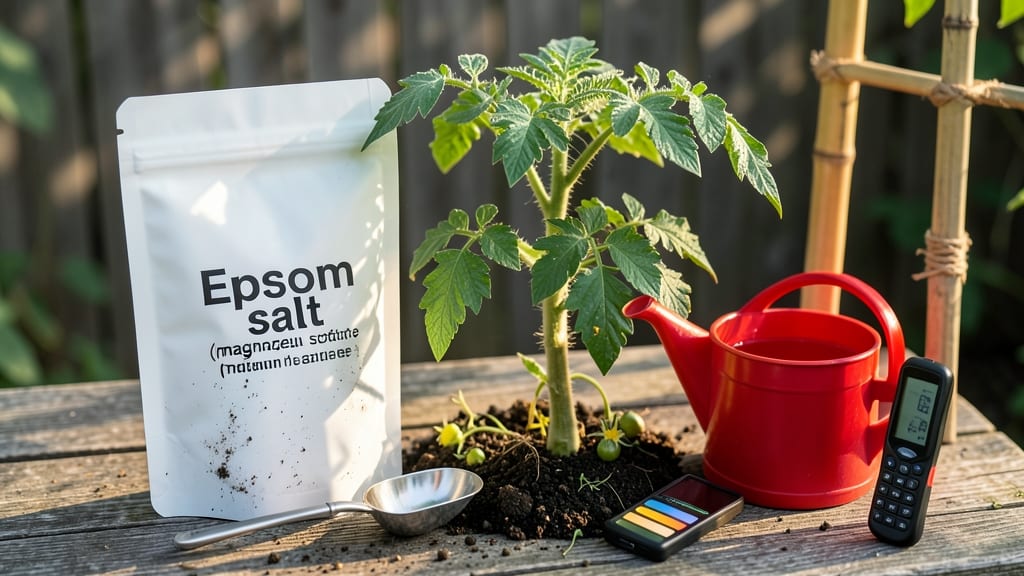
Epsom salt in gardening is used to enhance plant vitality by supplying essential magnesium and sulfur, which strengthen soil structure and boost chlorophyll production for vibrant growth. Try it as a foliar spray, soil treatment, or seed starter to promote healthier roots and blooms.
Epsom salt works wonders because it delivers two critical nutrients—magnesium and sulfur—that many soils lack. 🌱 Magnesium activates chlorophyll, helping plants convert sunlight into energy more efficiently, while sulfur supports protein formation and disease resistance.
I've seen dramatic improvements in my tomato plants after using it as a soil drench during flowering, with thicker stems and larger fruit yields.
For best results, mix 1 tablespoon of Epsom salt per gallon of water and apply it every 2-4 weeks during the growing season. This simple solution is especially effective for magnesium-loving plants like peppers, roses, and citrus trees.
Just be mindful not to overdo it—too much can actually harm your plants by disrupting soil chemistry.
One of my favorite uses is as a seed starter booster. Dissolving 1 teaspoon per quart of water gives seedlings a strong nutritional head start. The key is consistency—regular applications help maintain optimal nutrient levels throughout the plant's lifecycle.
💡 In This Article
- Magnesium and Sulfur: How Epsom Salt Fuels Plant Growth
- Step-by-Step Epsom Salt Gardening Applications
Magnesium and sulfur: how Epsom salt fuels plant growth
Epsom salt—chemically known as magnesium sulfate—delivers two powerhouse nutrients that many garden soils lack. Magnesium sits at the center of chlorophyll molecules, which means it directly impacts a plant's ability to convert sunlight into energy through photosynthesis.
When plants are magnesium-deficient, their leaves turn yellow between the veins (a condition called interveinal chlorosis), while older leaves show the first signs of distress. This happens because magnesium is mobile in plants, so they "recycle" it from older tissues to newer growth when supplies run low.
Sulfur, the second key ingredient, plays a supporting role by helping plants form essential amino acids and proteins. It's also crucial for creating vitamins and enzymes that regulate growth.
In soils with high sulfur content, plants develop stronger cell walls and better resistance to diseases like powdery mildew. 🌿 What's fascinating is how these two minerals work together: magnesium helps plants absorb phosphorus, while sulfur enhances nitrogen uptake—two other critical nutrients for vigorous growth.
For example, tomatoes grown in magnesium-deficient soil often produce smaller fruit with poor color, while those with adequate magnesium develop deep red hues and firmer textures.
Here's where the science gets interesting: magnesium acts as a "bridge" between phosphorus and other nutrients, helping them move through the plant's vascular system. Without enough magnesium, even if your soil has plenty of phosphorus (a common issue in many gardens), your plants can't utilize it effectively.
This explains why Epsom salt applications often lead to immediate visual improvements—within days, you'll notice leaves regaining their vibrant green color as chlorophyll production ramps up. The sulfur component works more gradually, strengthening the plant's overall structure over weeks.
Deficiency symptoms provide clear clues about what your plants need. For magnesium, look for yellowing that starts between leaf veins and spreads outward—this pattern is distinctive and different from iron deficiency, which causes yellowing between veins but typically affects younger leaves first.
Sulfur deficiencies are less common but show up as overall stunted growth with pale, yellowish-green leaves, especially on younger foliage. 🌱 The good news is that Epsom salt provides both nutrients in a readily available form, making it one of the most efficient ways to correct these deficiencies quickly.
What most gardeners don't realize is that Epsom salt also helps loosen compacted soil by attracting moisture to the soil particles. This improves aeration and root penetration, allowing plants to access water and other nutrients more easily.
The magnesium ions in Epsom salt have a natural flocculating effect—think of it like tiny magnets that help soil particles clump together just enough to create ideal pore spaces for roots.
This is why many professional growers use it as a soil amendment, particularly in heavy clay soils where drainage becomes an issue.
For container gardeners, this becomes especially valuable. Potted plants often develop magnesium deficiencies faster because their root systems are confined to limited soil volumes. Adding Epsom salt to your regular watering routine can prevent these deficiencies before they start.
I've seen potted tomatoes and peppers thrive when given monthly Epsom salt treatments, producing fruit that's not just larger but also richer in flavor—proof that these nutrients contribute to more than just plant health, but also to the quality of what we harvest.