
Light Requirements
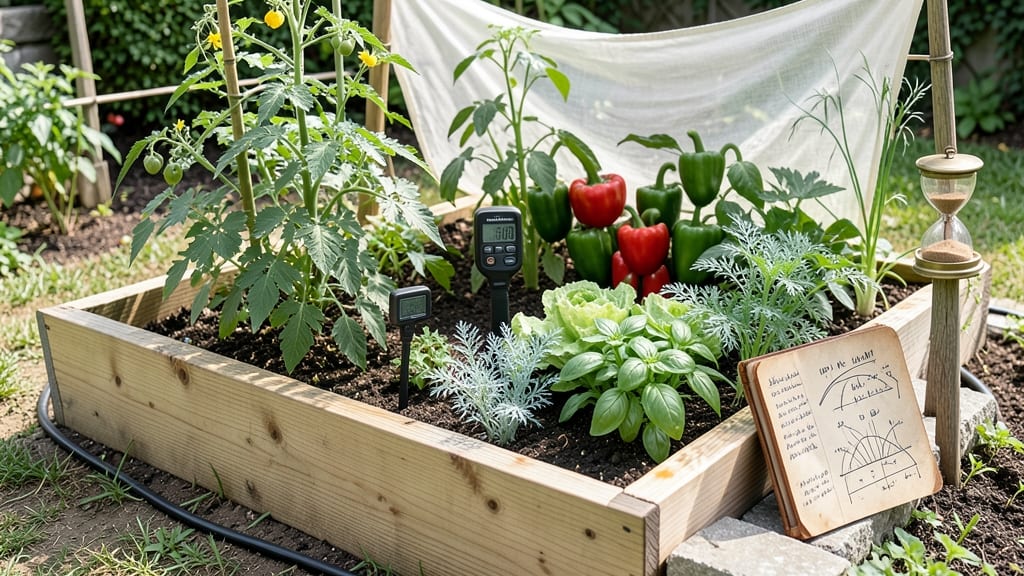
A vegetable garden needs 6 to 8 hours of sunlight daily for most crops to thrive — but that range hides a world of differences between leafy greens and heat-loving tomatoes.
Picture this: your basil wilting by noon, your peppers struggling to set fruit, or your lettuce bolting before you even harvest it. These aren’t just bad luck—they’re classic signs of sunlight mismatches, and the fix starts with knowing exactly how much light each plant truly craves.
Leafy greens like spinach and kale can handle 4 to 6 hours of sun, while fruiting plants like cucumbers and peppers demand 8 to 10 hours to produce their best yields.
The good news? With a few simple adjustments—like strategic planting or shade cloths—you can turn even tricky spots into productive growing zones.
Below, I’ll break down the sunlight needs for every major crop, plus how to spot (and fix) the most common mistakes that leave gardens underperforming. Ready to grow what you plant?


Sunlight requirements by vegetable type: full sun vs. partial shade breakdown
Sunlight is the lifeblood of your vegetable garden, but not all crops crave the same amount. Full sun lovers like tomatoes and peppers need 6-8+ hours of direct sunlight daily, while leafy greens and root vegetables can thrive with just 4-6 hours.
Getting this balance right ensures optimal growth, flavor development, and maximum yields. Too little sun leads to leggy, weak plants, while too much can cause leaf burn or stunted fruiting.
Most gardeners classify sunlight needs into three categories: full sun (6+ hours), partial shade (3-6 hours), and shade-tolerant (under 3 hours). Understanding these categories helps you map your garden layout for peak performance.
For example, cucumbers and eggplants thrive in full sun but may need afternoon shade in hot climates, while spinach and radishes can handle partial shade without sacrificing quality.
Below is a breakdown of sunlight requirements for popular vegetables, including how excess or insufficient light impacts their growth. Use this as your guide to position plants strategically and avoid common pitfalls like bolting lettuce or bland-tasting tomatoes.
| Vegetable | Sunlight Needs | Ideal Hours/Day | Growth Impact of Too Little Sun | Growth Impact of Too Much Sun |
|---|---|---|---|---|
| Tomatoes | Full Sun | 6-8+ | Leggy stems, poor fruiting | Leaf burn, reduced flavor |
| Peppers | Full Sun | 6-8+ | Slow fruit development | Sun scorch on fruit |
| Leafy Greens (Spinach, Lettuce) | Partial Shade | 4-6 | Bolting, bitter taste | Wilting, yellowing |
| Root Vegetables (Carrots, Beets) | Partial Shade | 4-6 | Slow growth, small roots | Bitter flavor, tough texture |
| Cucumbers | Full Sun (with afternoon shade in hot climates) | 6-8 | Poor fruit set | Sunburn on vines |
| Green Beans | Full Sun to
How to measure and adjust sunlight in your garden for peak performanceSunlight isn’t just light—it’s the lifeblood of your vegetable garden. Too little, and your plants stretch weakly toward the sky; too much, and they crisp like overcooked fries. The key is precision. Start by mapping your garden’s sunlight zones using a simple sunlight observation method for 3-5 days. Mark areas with a sunlight journal to track daily exposure, especially during peak summer months when shadows shrink. Most home gardens have microclimates—spots where sunlight behaves differently. A north-facing corner might get only 4 hours of sun, while a south-facing bed soaks up 10+ hours. Use a sunlight calculator (like the one from the Old Farmer’s Almanac) to estimate exposure based on your location. For example, in USDA Zone 6, summer sun peaks around 14 hours, but only 6-8 hours reach the ground after accounting for tree shade and building obstructions.
If your garden lacks natural sunlight, companion planting can help. Tall, sun-loving plants like corn can cast shade for beans growing beneath them, creating a natural shade gradient. Alternatively, interplant fast growers (like radishes) with slow growers (like cabbage) to maximize space and sunlight access as the season progresses. For plants suffering from too much sun, mulch with straw or wood chips to insulate roots and reduce soil temperature. Drip irrigation keeps leaves cool and prevents leaf scorch—a common issue with tomatoes or peppers in afternoon heat. If you notice yellowing leaves or crispy edges, it’s a sign to adjust exposure immediately. Troubleshoot stunted growth by checking soil moisture and nutrient levels. A plant struggling in full sun might need more water or balanced fertilizer (like 10-10-10) to handle stress. For shade-loving plants, amend soil with compost to improve root development in low-light conditions. Regularly rotate crops to prevent sunlight deprivation in previously shaded spots. Remember, sunlight needs change by season. In spring and fall, the same spot might get only 4 hours of sun due to lower angles, while summer delivers intense 8+ hours. Plan ahead by moving containers or using shade sails to adapt to seasonal shifts. With these adjustments, you’ll turn your garden into a sunlight-perfect powerhouse—no guesswork required. |