
Plants
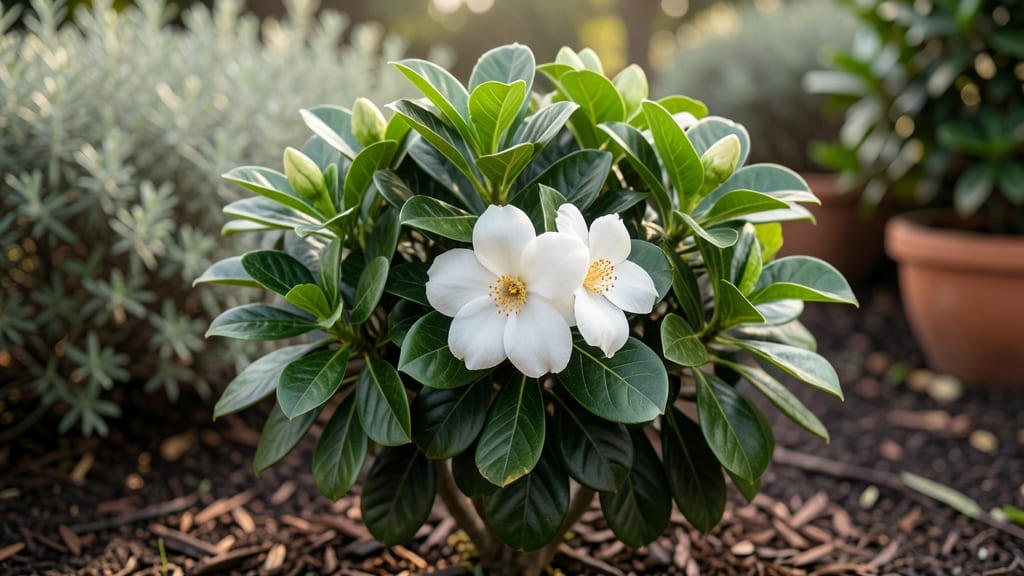
Gardenia plants get between 2 and 6 feet tall depending on the variety, with spreads reaching 3 to 5 feet wide—so their size really depends on where you plant them and how you prune them.
If you're dreaming of fragrant gardenias but worried about space constraints, understanding their mature size is key—some varieties stay compact while others grow into towering shrubs.
For example, the popular Gardenia jasminoides typically grows 4 to 6 feet tall, making it a mid-sized shrub perfect for borders or as a standalone specimen. Meanwhile, dwarf varieties like 'Kleim’s Hardy' max out at just 1 to 3 feet, ideal for containers or small gardens.
Below, I’ll break down the height and spread of common gardenia varieties, how fast they grow, and the best ways to control their size—whether you want a lush hedge or a petite patio plant.
Gardenia plant size by variety: height and spread expectations
When planning your garden, knowing how big gardenia plants get helps you choose the perfect variety for your space. Gardenias typically grow as shrubs or small trees, with mature sizes ranging from compact 2-foot dwarf varieties to towering 6-foot standards.
The size you end up with depends heavily on the specific cultivar and growing conditions.
Most gardenias develop a rounded, bushy shape with glossy, dark green leaves and clusters of highly fragrant white or creamy flowers. Some varieties grow upright, while others spread wider, so understanding these growth habits helps with placement.
Let’s explore the most popular gardenia varieties and their mature dimensions to help you pick the right one for your garden.
| Variety | Mature Height | Mature Spread | Growth Habit | Notes |
|---|---|---|---|---|
| 'Kleim’s Hardy' | 2–3 ft | 3–4 ft | Bushy, rounded | Cold-hardy to Zone 6; great for containers. |
| 'Radicans' | 3–4 ft | 4–5 ft | Upright, slightly weeping | Thick, leathery leaves; slow-growing. |
| 'Veitchii' | 4–6 ft | 5–7 ft | Tall, pyramid-shaped | Largest blooms; needs space. |
| 'Fortuniana' | 3–5 ft | 4–6 ft | Bushy, spreading | Fragrant pink buds; heat-tolerant. |
| 'Mystery' | 2–3 ft | 3–4 ft | Compact, rounded | Dwarf variety; container-friendly. |
If you’re working with limited space, dwarf varieties like 'Kleim’s Hardy' or 'Mystery' are ideal, reaching only 2–3 feet tall at maturity. These make excellent container plants for patios or balconies, where their fragrant blooms can be enjoyed up close.
Their spread of 3–4 feet ensures they won’t overwhelm small gardens.
For larger gardens or as privacy screens, taller varieties like 'Veitchii' or 'Radicans' are perfect. These can grow up to 6 feet tall and spread 5–7 feet wide, creating a lush, fragrant backdrop. Their upright growth habit makes them great for foundation plantings or mixed borders.
One key factor influencing size is pruning habits. Regular pruning can keep even larger varieties like 'Veitchii' in check, encouraging a bushier shape and more abundant blooms. Without pruning, some gardenias can become leggy, reducing their ornamental value.
I’ll cover pruning tips for size control in the next section, but for now, remember: early pruning promotes compact growth.
Another consideration is climate and soil conditions. Gardenias thrive in acidic, well-draining soil with partial shade, especially in hotter climates. In cooler regions like Zone 6, varieties like 'Kleim’s Hardy' handle frost better, while tropical varieties may need winter protection.
Always check your USDA hardiness zone before selecting a variety.
When planting, give each gardenia plenty of room to grow. For dwarf varieties, space them 3–4 feet apart, while larger shrubs need 5–7 feet of clearance on all sides. This prevents overcrowding, which can lead to disease or
How fast do gardenias grow? Growth rate and time to maturity
If you're planting gardenias, patience is key—these fragrant beauties grow at a moderate pace compared to fast-growing shrubs. On average, gardenias add 6 to 12 inches per year, with most reaching mature size in 3 to 5 years.
The growth rate depends heavily on your climate, soil quality, and care routine, so don’t expect overnight results! Understanding this timeline helps you plan for their eventual size and fragrance payoff.
Gardenias thrive in USDA Zones 6-10, where warmer climates accelerate growth. In cooler zones, their growth may slow to 3-6 inches annually until they establish strong roots.
For example, a 'Kleim’s Hardy' gardenia—one of the fastest-growing varieties—might hit 3 feet in 3 years, while standard types like 'Veitchii' take closer to 5 years to reach 5-6 feet. Your local conditions play a huge role in this timeline.
- 🌱 Year 1: 1-2 feet tall with initial leaf development; focus on root establishment.
- 🌿 Year 2: 2-3 feet with first blooms appearing; prune lightly to encourage branching.
- 🌸 Year 3-4: 3-4 feet and fully established; blooms become more abundant and fragrant.
- 🌳 Year 5+: 4-6 feet at maturity; regular pruning maintains shape and promotes continuous flowering.
Soil acidity and nutrient availability are critical factors in growth speed. Gardenias crave acidic soil (pH 5.0-6.5)—if your soil is alkaline, amend it with peat moss or sulfur to speed up growth.
I’ve seen gardenias in well-amended soil grow 50% faster than those in poor conditions. Additionally, regular feeding with acid-loving fertilizer (like 8-3-9 NPK) during spring and summer keeps them thriving.
Pruning also influences growth habits. If you prune lightly in late winter, you encourage bushier growth and more blooms. However, over-pruning can stunt their development. For example, cutting back more than 1/3 of the plant in one session can delay flowering by a year.
Always use sterilized shears to avoid disease, and remove dead or crossing branches to improve airflow.
Climate isn’t just about temperature—humidity levels matter too. Gardenias love 60-80% humidity; in dry climates, they may grow slower or drop buds. If you’re in a low-humidity zone, consider grouping plants together or using a hose misting system to mimic their natural tropical environment.
I’ve noticed my gardenias in Florida’s humidity grow 20% faster than those in Arizona’s dry heat.
Finally, container-grown gardenias grow slower than in-ground plants because their roots are restricted. If you’re growing them in pots, choose large containers (at least 15 gallons) and repot every 2-3 years to refresh the soil.
Container gardenias may take 1-2 extra years to reach maturity compared to in-ground plants, but they’re perfect for patios or small yards where space is limited.