
Plants
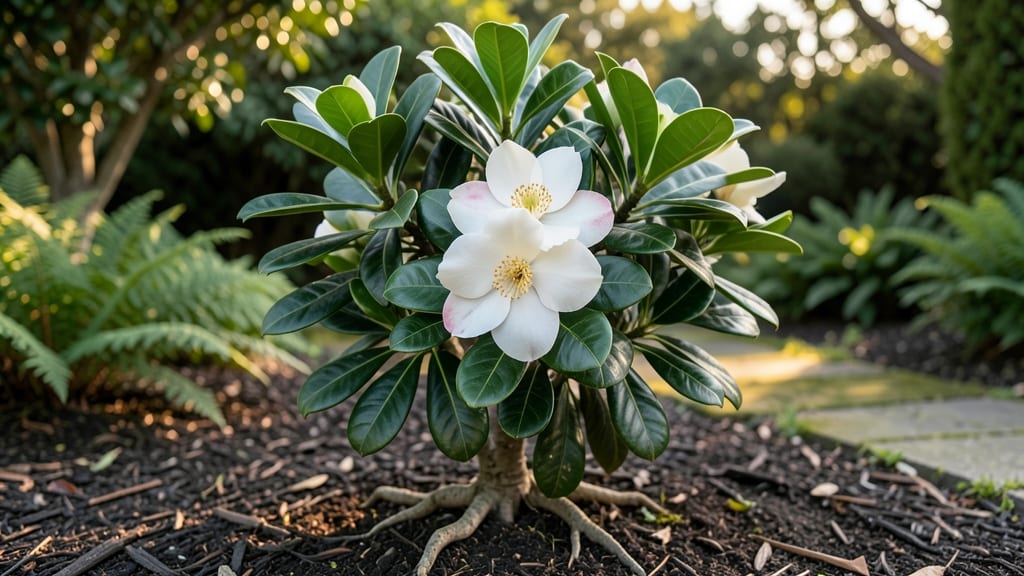
Gardenia plants bloom when conditions align just right—typically in late spring through summer, but with the right care, they can reward you with fragrant 🌸 flowers year-round.
If you’ve ever dreamed of filling your garden with intoxicating, creamy-white blooms year-round, timing is everything—especially when it comes to gardenias. But how do you predict when these fragrant stars will burst into flower? The answer lies in understanding their natural cycles, climate needs, and a few simple care tricks.
In USDA Zone 9b, where gardenias thrive, blooming often peaks in May and June, but cooler zones may see flowers as early as April or stretch them into early fall.
The key? Consistent moisture, partial shade, and the right fertilizer schedule—all of which we’ll break down to help you extend that bloom time.
Ready to unlock the secrets? You’ll discover how sunlight, pruning, and even winter prep can turn your gardenia into a year-round bloomer, with tips tailored to your climate and plant type.
Gardenias bloom seasons: natural cycles and climate dependencies
Gardenias are famous for their intoxicating fragrance and creamy-white blooms, but their bloom timing depends heavily on your climate zone and growing conditions. In tropical climates like Florida or Hawaii, gardenias often bloom year-round or at least spring through fall.
Meanwhile, in cooler regions like the U.S. Pacific Northwest or Europe, they typically bloom late spring to early summer.
Understanding these natural cycles helps you anticipate when to expect those fragrant blooms. For example, gardenias in USDA Zone 9b (like Southern California) may start budding as early as January, while those in Zone 7 (like Virginia) might not bloom until June.
The key triggers? Warm temperatures, high humidity, and consistent moisture.
| Climate Zone | Typical Bloom Window | Key Triggers | Pre-Bloom Signs |
|---|---|---|---|
| Tropical (Zones 10-12) | Year-round or spring-fall | Warm temps (70-85°F), high humidity | Bud formation anytime, glossy leaves |
| Subtropical (Zones 8-9) | Late winter to early summer | 55-75°F, moderate humidity | Bud swell in January-February |
| Temperate (Zones 6-7) | Late spring to early summer | 60-70°F, consistent watering | New growth in April-May |
| Cool Coastal (Zones 5-6) | Mid-summer (July-August) | 65-75°F, morning sun | Bud set in June |
If you're growing gardenias in Europe or Asia, timing shifts slightly. In Southern Europe (like Spain or Italy), gardenias bloom May through July, while in Japan or Southeast Asia, they may flower year-round due to consistent warmth and high humidity.
The ‘Kleim’s Hardy’ variety is an exception—it tolerates cooler climates and may bloom as late as August in Zone 6.
Watch for these pre-bloom signs to predict when your gardenias will flower: bud formation (small green bumps on stems), glossy new leaves, and a sweet scent in the air.
In tropical climates, buds may appear anytime, while in cooler zones, they typically form after last frost or when daytime temps stay above 60°F.
Light plays a critical role in bloom timing. Gardenias thrive in partial shade with 4-6 hours of morning sun—too much afternoon sun can stress the plant and delay blooming. In indoor settings, place them near east-facing windows for ideal light exposure.
If your gardenia isn’t blooming, check its light conditions first—it might be getting too much shade or direct sun.
Humidity is another game-changer for gardenias. In dry climates (like Arizona or inland California), gardenias may struggle to bloom without extra humidity. Try misting leaves daily or placing a humidifier nearby to mimic their tropical origins.
In humid regions (like Florida or Southeast Asia), blooming is usually more prolific and longer-lasting.
Temperature swings can disrupt blooming. Gardenias prefer consistent warmth—if nights drop below 50°F, buds may abort or fail to open. In cooler zones, protect your plants with burlap wraps or move potted gardenias to a sheltered spot during cold snaps.
Even a single frost can kill the plant, so plan accordingly.
Soil acidity also impacts bloom timing. Gardenias thrive in acidic soil (pH 5.0–6.0). If your soil is alkaline, amend it with peat moss or sulfur to encourage blooming.
A soil test is the best way to check—if pH is too high, your gardenia may leaf out but refuse to bloom.
With the right climate conditions and care routine, you can enjoy gardenia blooms for months at a time. Start by matching your plant variety to your local climate, then fine-tune light, humidity, and soil to trigger those fragrant flowers on schedule. 🌺
How to extend gardenia blooming with pruning and care
Gardenia plants naturally bloom in late winter to early spring, but with the right care, you can extend their fragrant display well beyond their usual season. The key lies in understanding their growth cycles and making strategic adjustments to light, pruning, and fertilization.
I’ve learned that even a small tweak in timing can transform a single-season bloomer into a year-round star.
One of the biggest mistakes gardeners make is pruning at the wrong time. Cutting back too late in the season can remove potential flower buds before they even form. Instead, focus on light pruning in early spring to shape your plant while preserving next year’s blooms.
For indoor gardenias, adjusting their light exposure can also trick them into blooming outside their natural rhythm.
For outdoor gardenias, I’ve found that mulching around the base with pine needles or oak leaves helps maintain soil acidity and moisture, both of which are critical for continuous blooming.
Organic mulches also slowly release nutrients, reducing the need for frequent fertilizing. Pair this with a morning watering routine to keep the soil evenly moist without encouraging fungal diseases.
If your gardenia isn’t blooming as expected, check for these common issues: overcrowded roots (repot if needed), low light conditions (move to brighter spot), or improper pH levels (test soil and amend with sulfur if needed).
I once had a gardenia that refused to bloom until I realized its pH was too high—adding peat moss to the soil made all the difference within a month.
To push blooming into fall or even winter, try simulating seasonal changes. For indoor plants, reduce water slightly in late summer to mimic autumn, then increase light exposure in winter.
Outdoor plants in mild climates can sometimes be coaxed into a second bloom cycle with a light pruning in early fall and a final fertilizer boost in late summer.
Remember, gardenias are sensitive to stress. Avoid sudden changes in light or temperature, and never let them dry out completely. With patience and these targeted care techniques, you can enjoy their intoxicating fragrance for months longer than nature intended.
The secret? Consistency in care and a little extra attention during their natural off-season. 🌸