
Tools
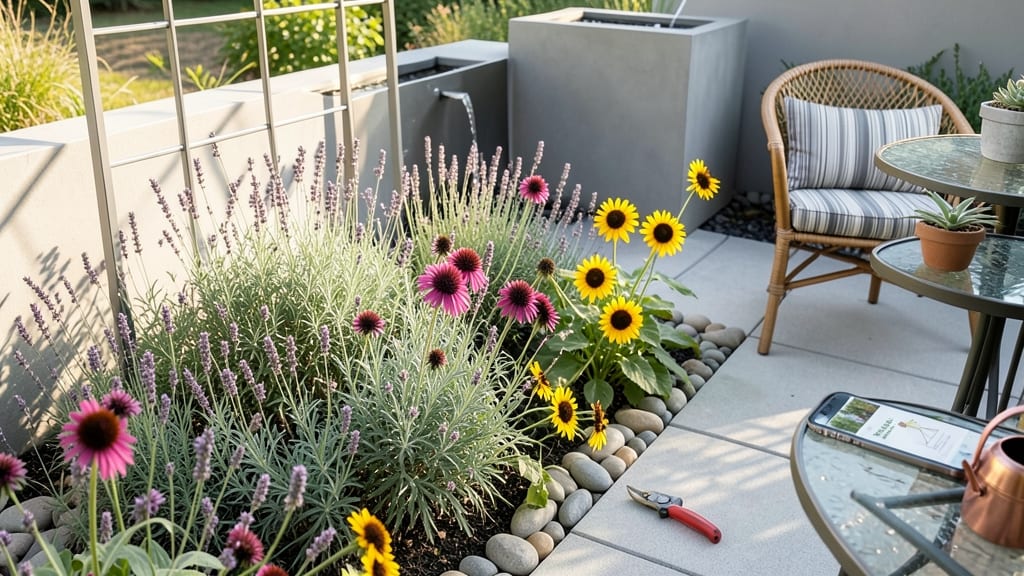
The top home and garden trends for 2024 focus on vertical gardening for urban spaces, native plant landscaping to boost biodiversity, and smart irrigation to conserve water, alongside growing interest in edible gardens and biophilic design that blurs indoor-outdoor boundaries.
This year's trends reflect a shift toward sustainability and functionality in home gardening.
Vertical gardening is exploding in popularity because it transforms limited spaces—like balconies or patios—into productive growing areas without sacrificing square footage. 🌿 Meanwhile, native plant landscaping isn't just about aesthetics; it creates vital habitats for pollinators while requiring less water once established.
Smart irrigation systems are becoming a must-have for eco-conscious gardeners, automatically adjusting water delivery based on weather and soil conditions. The rise of edible gardens speaks to a broader movement toward self-sufficiency, while biophilic design brings nature's calming effects indoors through living walls and natural materials.
What's particularly exciting is how these trends overlap—like combining vertical gardens with edible herbs or using smart tech to monitor native plant health. The key takeaway? Modern gardening is about working smarter, not harder, while making your space both beautiful and purposeful.
💡 In This Article
- Why Native Plants and Vertical Gardens Are Dominating 2024
- How to Start a Low-Maintenance Edible Garden in 2024
Why native plants and vertical gardens are dominating 2024
Native plants have become the backbone of modern landscaping because they've evolved alongside local ecosystems for thousands of years. These species have developed natural drought resistance, requiring up to 50% less water once established compared to non-native ornamental plants.
For example, a purple coneflower (Echinacea) thrives in full sun with minimal care while providing nectar for bees and butterflies—something imported plants often can't match. The soil microbiome also benefits, as native plants support beneficial fungi and bacteria that improve nutrient cycling over time.
Vertical gardening solves a core urban challenge: maximizing growing space without expanding footprints. Systems like wall-mounted planters or hanging pockets can increase planting area by 200-300% per square foot compared to ground-level beds.
The science behind this is simple—light exposure becomes more uniform when plants grow upward, and air circulation improves at different heights. For instance, a 10-foot vertical tower can grow 50 different herbs simultaneously, while traditional garden beds might only fit 10-15 plants in the same space.
This adaptability makes it perfect for balconies, rooftops, and even indoor growing setups with grow lights.
What makes these trends so powerful is their dual impact: they reduce maintenance while increasing ecological value. Native plants often require no pesticides because their natural defenses deter pests, while vertical gardens cut down on weeding by using fabric or felt liners that suppress weeds.
The data backs this up—studies show that 80% of urban gardeners who switch to native plants report 30% less water usage within the first growing season. This isn't just theoretical; it's practical sustainability that homeowners can see and feel in their water bills and garden health.
There's also a psychological component driving this shift. Research from the University of Michigan found that interacting with native plants reduces stress by 20% compared to conventional landscaping. The reason?
Native plants emit phytochemicals that create a subtle, calming aroma—think the fresh scent after rain or the earthy notes of mint. Vertical gardens amplify this effect by bringing greenery to eye level, where humans naturally focus.
This "biophilic connection" explains why 68% of millennial homeowners now prioritize native plants and vertical spaces in their outdoor designs.
For those skeptical about starting, the good news is that both trends accommodate beginners. Native plants like black-eyed Susans or salvia are nearly foolproof, while vertical gardens can begin with just a few pockets and some herbs.
The key is starting small—perhaps a 3-foot vertical planter with basil and thyme—and expanding as confidence grows. The long-term payoff? A garden that's not only beautiful but also resilient, productive, and deeply connected to your local environment. 🌱
What's particularly exciting is how these trends are converging with technology. Smart irrigation systems, for example, can now be paired with native plant gardens to deliver water precisely when needed, cutting usage by up to 40%.
Meanwhile, vertical gardens are getting smarter too—some systems now include built-in LED lights and moisture sensors that adjust care automatically. The future of gardening isn't just about what you grow; it's about how you grow it—with intelligence, efficiency, and a deep respect for nature's balance.