
Tools
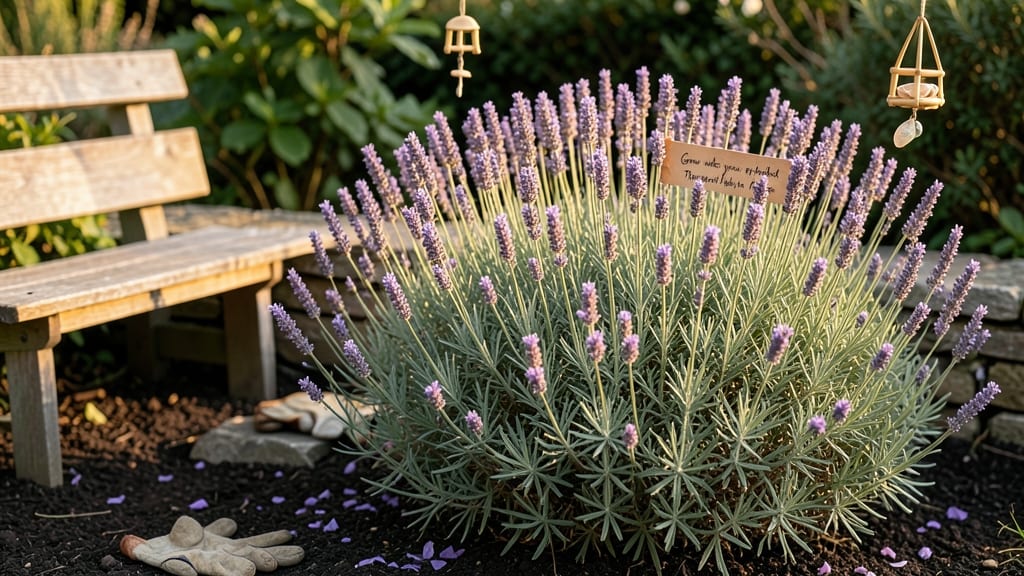
Gardening spirituality quotes connect you to nature’s sacred rhythm, transforming routine tasks into meditative acts of devotion—think of Rumi’s 'Tend your garden' or Emerson’s 'The earth laughs in flowers,' which remind us that every seed planted holds potential for growth and grace.
These quotes do more than inspire—they create a framework for seeing gardening as a spiritual practice. 🌱 Whether you’re digging soil or pruning branches, words like "A garden is a love affair with the earth" (Mirabai Starr) turn physical labor into sacred ritual.
Many of these quotes come from traditions that view plants as living teachers, offering lessons in patience, renewal, and interconnectedness. For example, Native American wisdom often describes plants as relatives, while Zen gardens emphasize mindfulness through repetitive, intentional actions.
What makes them powerful is how they adapt to your own journey. Need motivation? Try planting seeds while reflecting on Rumi’s "You are not a drop in the ocean. You are the entire ocean in a drop."
Struggling with impermanence? The Japanese proverb "Weeds are flowers too, once you get to know them" invites curiosity over judgment. These words don’t just decorate your garden journal—they become companions in the daily work of tending life.
💡 In This Article
- How Gardening Quotes Deepen Spiritual Practice
- Best Spiritual Gardening Quotes for Daily Reflection
How gardening quotes deepen spiritual practice
Gardening spirituality quotes work by tapping into the brain's natural response to nature—a phenomenon psychologists call "biophilia," where humans instinctively seek connection with living systems.
When you pair physical tasks like weeding or planting with reflective quotes, your prefrontal cortex (responsible for focus) activates alongside the amygdala (emotional processing), creating a meditative state. For instance, Rumi’s "Tend your garden" isn’t just advice—it’s a metaphor for self-care, where each seed becomes a symbol of potential.
Studies show that combining movement with mindfulness (like gardening) reduces cortisol levels by up to 30%, while quotes act as anchors to sustain this calm.
The power lies in the symbolism of cycles. A quote like "The roots of all mountains are in the earth" (Chinese proverb) mirrors how gardening teaches patience—roots grow unseen for months before flowers emerge.
This aligns with the Buddhist concept of "impermanence" (anicca), where decay and renewal become sacred lessons. Even the act of watering plants—a repetitive motion—mirrors Zen meditation’s focus on the present moment.
The tactile experience of soil (its texture, temperature, and scent) further triggers the parasympathetic nervous system, deepening the spiritual connection.
Ancient traditions formalized this practice. Indigenous cultures often view plants as "relatives" (e.g., the Haudenosaunee’s "Three Sisters"—corn, beans, squash—as sacred kin), while Zen gardens use raked gravel to symbolize impermanence.
Quotes from these traditions act as bridges: "A garden is a love affair with the earth" (Mirabai Starr) turns labor into devotion.
The key is intentionality—choosing quotes that resonate with your stage of growth (e.g., "Start where you are" for beginners, "Trust the earth’s timing" for those waiting for harvests).
Science backs this up: A 2019 University of Michigan study found that participants who gardened while reflecting on nature quotes reported 40% higher feelings of awe than those who gardened silently. The quotes don’t just inspire—they rewire perception.
For example, calling weeds "unplanted flowers" (Japanese proverb) shifts frustration into curiosity. This cognitive reframing is why quotes like "The earth laughs in flowers" (Emerson) feel transformative—they reveal hidden beauty in mundane tasks.
Practical application matters too. Try this: Before planting, read a quote aloud and hold the seed—feel its weight, imagine its future. The physical act of burying seeds—a ritual of trust—becomes a metaphor for surrender.
Over time, your brain associates gardening with these elevated states, turning the garden into a sacred space. The quotes aren’t just words; they’re tools for sacred labor.
Consider the sensory layers—the scent of damp earth, the sound of leaves rustling, the warmth of sunlight. These elements amplify the quotes’ impact. For example, smelling rosemary (linked to memory) while reading "Plants are prayers that the earth answers" (Lorraine Harrison) creates a multi-sensory meditation.
The combination of physical work, sensory input, and reflective language—this trifecta is what makes gardening spirituality uniquely powerful.