
Pruning
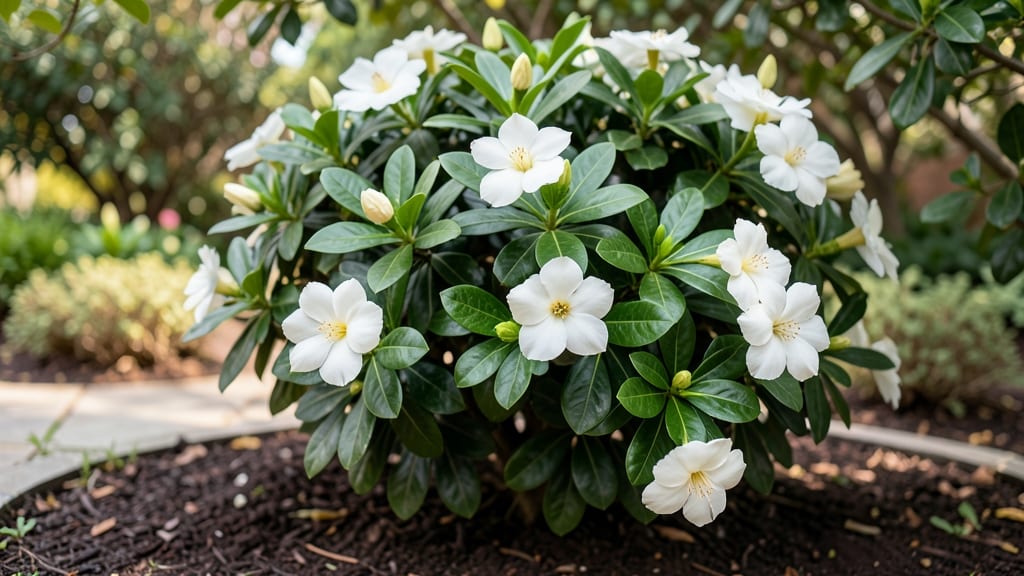
A gardenia tree’s size can range from a compact 3-foot shrub to a towering 15-foot specimen, depending on the variety and how you prune it.
If you’ve ever dreamed of growing fragrant gardenias but worried about their massive size, you’re not alone—many gardeners assume these beauties require sprawling yards. The truth?
Gardenias come in stunning varieties with drastically different growth habits, from petite shrubs to towering trees, and pruning can help you control their size—no matter your space.
For example, the ‘Radicans’ variety stays under 5 feet tall, making it perfect for containers or small patios, while standard types like ‘Kleim’s Hardy’ can reach 8 to 12 feet in ideal conditions. Understanding these differences is the key to choosing the right gardenia for your garden’s layout.
In this guide, I’ll break down the mature sizes of popular varieties, share pruning tips to keep your gardenia in check, and even suggest the best dwarf options for urban gardens or balconies—so you can enjoy those intoxicating blooms without sacrificing space.

Gardenia tree size by variety: compact shrubs vs. tall trees
Choosing the right gardenia variety depends entirely on your space—whether you have a sprawling backyard or a cozy balcony. The mature size of gardenias varies dramatically, from 3-foot dwarf shrubs perfect for containers to 15-foot trees that thrive as landscape focal points.
Understanding these differences helps you pick the perfect plant for your garden design.
Most gardenias belong to the Gardenia jasminoides species, but even within this group, sizes differ. For example, the ‘Radicans’ cultivar stays compact, while ‘Kleim’s Hardy’ can reach impressive heights. Let’s break down the key varieties and their growth habits to help you visualize their potential in your space.
Visualizing growth is easier with a side-by-side comparison. Below, you’ll see how dwarf gardenias compare to standard and tall varieties. This table includes mature heights, growth rates, and ideal uses for each type—whether you’re planting in containers, landscape beds, or urban gardens.
The ‘Radicans’ variety is my top pick for container gardening—its trailing habit and 3–5-foot height make it ideal for hanging baskets or balcony planters. If you’re aiming for a privacy screen or landscape focal point, ‘Veitchii’ or Gardenia augusta deliver dramatic height and lush foliage.
For small-space gardeners, focus on dwarf varieties like ‘Radicans’ or ‘Fortuniana’. These stay under 5 feet and thrive in
Pruning techniques to control gardenia tree size naturally
Pruning your gardenia tree isn’t just about keeping it tidy—it’s the secret to controlling its size and shape while encouraging lush, fragrant blooms. With the right techniques, you can transform a sprawling 10-foot giant into a compact 3-foot shrub, perfect for containers or small gardens.
The key is timing, precision, and understanding how gardenias respond to cuts.
Most gardeners make one critical mistake: pruning at the wrong time or using dull tools, which stresses the plant and reduces flowering. Instead, focus on strategic cuts during the plant’s active growth phase, and always use sharp, sterilized pruners to prevent disease.
Let’s break down the exact steps to shape your gardenia without sacrificing its beauty.
Step-by-Step Pruning Guide for Compact Gardenias
-
Step 1: Choose the Right Time
Prune in early spring (March-April) just as new growth begins. Avoid fall pruning, as it can stimulate tender shoots that won’t survive winter. For container gardenias, you can also prune lightly after blooming to maintain shape.
-
Step 2: Gather the Right Tools
Use bypass pruners for clean cuts and a sterilized saw for thicker branches. Wipe tools with rubbing alcohol between cuts to prevent bacterial spread. Never use hedge trimmers—they tear branches and damage the plant.
-
Step 3: Remove Dead or Weak Wood
Start by cutting out dead, diseased, or crossing branches at the base. This improves airflow and reduces pests. Look for branches that are brown, brittle, or rubbing against others—these compete with healthy growth for nutrients.
-
Step 4: Shape for Compact Growth
To encourage a bushier, smaller gardenia, cut back 1/3 of the oldest stems to the ground. For a tree-like shape, select 3-5 main branches and prune side branches to create an open center. Avoid cutting into wood that’s already hardened—focus on new growth.
-
Step 5: Thin Out Overcrowded Areas
If your gardenia has too many branches in one area, thin them out by removing every other branch to improve light penetration. This prevents fungal issues and ensures blooms aren’t hidden in the center. Aim for a well-aerated structure.
-
Step 6: Clean Up and Monitor
After pruning, sterilize your tools again and dispose of clippings in the trash (not compost). Water the base thoroughly to reduce stress. Monitor the plant for new growth within 4-6 weeks—this confirms the pruning was successful.
One of the biggest mistakes gardeners make is over-pruning in a single session, which can shock the plant and delay blooming. Instead, spread pruning over 2-3 sessions if needed, and always leave at least 1/3 of the foliage intact.
For container gardenias, prune more aggressively in spring to keep them compact, but avoid heavy cuts in fall.
Pro tip: If your gardenia isn’t flowering as much after pruning, it might need a light fertilizer boost with high-phosphorus food (like 10-20-10) to encourage blooms. Gardenias are heavy feeders, especially after pruning, so don’t skip this step if you want those iconic white flowers.
With these techniques, your gardenia will stay manageable in size while producing more blooms than ever. The key is patience—gardenia trees respond best to gradual shaping over time. Happy pruning! 🌿✂️