
Pruning
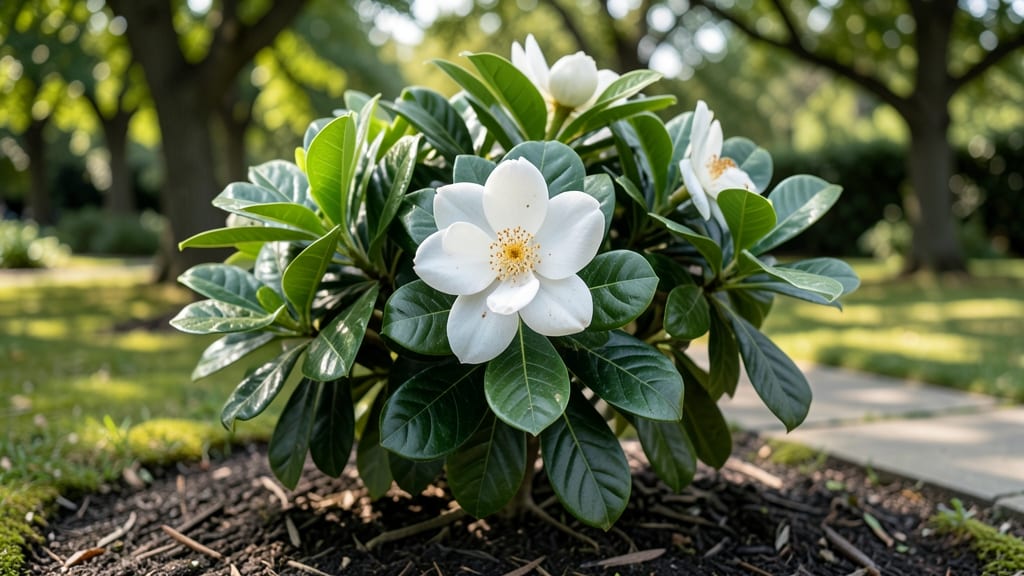
Controlling a gardenia tree's height 🌺 is all about knowing its natural growth patterns and how to guide them—whether you want a compact shrub or a taller small tree.
If your gardenia tree is growing taller than you’d like—or refusing to bloom because of its height—you’re not alone. Many gardeners struggle with the balance between letting it grow naturally and keeping it at a manageable size for their space.
Under optimal conditions, a gardenia tree can reach anywhere from 3 to 15 feet, depending on the variety and care. For example, dwarf varieties like 'Kleim’s Hardy' stay around 3 to 6 feet, while standard types can tower up to 10 to 15 feet.
In this guide, you’ll discover how to prune strategically, choose the right tools, and even select varieties that fit your garden’s design—all while keeping those fragrant blooms coming.

Natural ways to control gardenia tree height without harming growth
Your gardenia tree may reach 10+ feet if left unchecked, but with the right techniques, you can easily maintain a 3–6 foot height while keeping those fragrant blooms abundant. The key lies in strategic pruning and understanding your plant’s growth cycle.
Unlike aggressive cutting, natural height control focuses on selective trimming and seasonal timing to avoid stressing the plant.
Many gardeners mistakenly prune at the wrong time or use the wrong tools, which can stunt blooms or invite disease. I’ve found that mastering three core methods—seasonal pruning, growth regulators, and directional shaping—yields the best results without harming your gardenia’s health.
Let’s dive into a step-by-step approach that keeps your plant thriving while achieving your desired height.
Step-by-Step Guide to Prune Gardenia Height Naturally
-
Step 1: Prune After Blooming (Late Summer)
Wait until 2–3 weeks after your gardenia finishes flowering (typically August–September) to prune. This timing ensures you don’t cut off next year’s buds, which form on old wood. Use clean, sharp shears to make cuts at a 45-degree angle, just above a leaf node. -
Step 2: Remove Overly Long Branches
Focus on vertical branches exceeding your target height. Cut back 1/3 of the branch length to encourage fuller growth at the desired height. Avoid cutting into woody stems—this can harm the plant. Aim for 3–4 main branches to maintain structure. -
Step 3: Thin Out Dense Foliage
Prune 10–20% of the plant’s total foliage to improve airflow and sunlight penetration. Remove crossing or rubbing branches first, as these compete for nutrients and can reduce flowering. Thin from the bottom up to shape the tree naturally. -
Step 4: Apply Growth Regulators (Optional)
For slower growth, use a natural growth regulator like seaweed extract or hibiscus tea fertilizer (diluted to 1:10 ratio). Apply every 6–8 weeks during the growing season. Avoid synthetic chemicals, which can burn delicate leaves. -
Step 5: Mulch and Water Strategically
Add 2–3 inches of organic mulch (e.g., pine bark) around the base to suppress weeds and retain moisture. Water deeply 2–3 times per week in summer, but reduce frequency in fall to signal the plant to slow growth naturally.
One common mistake I see is pruning gardenias in spring, which removes current season’s buds and reduces flowering. Another pitfall is using dull shears, which tear branches and invite fungal infections. Always sterilize your tools with rubbing alcohol before and after pruning to prevent disease spread.
If your gardenia is already too tall, don’t panic—you can still shape it over time. Start by pruning 10% of the height in the first year, then adjust incrementally.
For example, if your plant is 8 feet and you want 5 feet, aim to reduce it by 1 foot per year to avoid shock. Pair this with regular feeding (e.g., citrus fertilizer) to support new growth.
For dwarf varieties like ‘Kleim’s Hardy’ gardenia, which naturally stay 3–4 feet, minimal pruning is needed—just light shaping after blooming. These varieties are bred for compact growth, so over-pruning can weaken them.
Always check your plant’s specific variety before pruning aggressively, as some are more sensitive than others.
Another organic method to control height is root pruning. If your gardenia is in a container, gently tease the roots when repotting to encourage bushier growth and slower vertical expansion.
For in-ground plants, avoid disturbing the roots unless necessary, as this can stress the plant and reduce flowering.
Finally, light exposure plays a crucial role in height control. Gardenias grown in partial shade (e.g., morning sun + afternoon shade) tend to grow more compactly than those in full sun.
If your plant is too leggy, consider moving it to a shadier spot and pairing this with selective pruning for best results.
With these natural methods, you can maintain your gardenia’s height without sacrificing those show-stopping blooms. Remember, patience is key—gradual pruning yields healthier, more resilient plants. Happy gardening! 🌺✂️🌿
Best pruning tools and when to use them for optimal height control
Pruning your gardenia tree isn’t just about trimming back wild growth—it’s about strategic height control that encourages more blooms while keeping your plant healthy. The right pruning tools make all the difference, especially when dealing with thick branches or delicate stems.
Using the wrong tool can damage your gardenia, leading to fewer flowers or even disease. Let’s break down the essential tools and when to use them for perfect height management.
First, you’ll need to match your tool to the branch size you’re pruning. For thin stems under ¼ inch, bypass pruners are your best friend—they make clean cuts without crushing the stem.
For medium branches (¼ to ¾ inch), loppers with long handles give you the leverage to cut thick stems without straining your back. And for thick branches over ¾ inch, a pruning saw is a must to avoid tearing the bark.
Each tool has a specific role in keeping your gardenia at your desired 3–6 foot height.
Timing is everything when it comes to pruning gardenias for height control. The best time to prune is right after flowering, typically in late spring or early summer. This allows your plant to recover and set new buds for the next blooming cycle. Avoid pruning in fall or winter, as this can stimulate new growth that won’t harden off before cold weather. If you must prune for height in summer, do it early in the season to avoid cutting back potential blooms.
| Tool | Best For | Branch Size | Season to Use |
|---|---|---|---|
| Bypass Pruners | Thin stems, shaping | Under ¼ inch | Spring/Summer |
| Loppers | Medium branches, height control | ¼ to ¾ inch | Late Spring/Early Summer |
| Pruning Saw | Thick branches, structural pruning | Over ¾ inch | Early Spring (before blooms) |
When pruning for height, focus on removing upward-growing branches first—these are the culprits that make your gardenia tower uncontrollably. Cut just above a leaf node or outward-facing bud to encourage growth in the direction you want.
For dwarf varieties, like 'Kleim’s Hardy,’ you can be more aggressive with pruning to maintain a 3–4 foot height. Just remember: never remove more than ⅓ of the plant’s foliage in one session, or you risk shocking the plant and reducing next year’s blooms.
For standard gardenias (6–15 ft), prune selectively to open up the canopy and improve airflow, which reduces disease risk. Always sterilize your tools with rubbing alcohol between cuts to prevent bacterial infections.
If you’re pruning in summer, avoid heavy cuts—opt for light shaping instead to protect your gardenia from heat stress. The goal is to guide growth, not force it, so take your time and observe how your plant responds after each pruning session.
Finally, don’t forget to feed your gardenia after pruning to support new growth. Use a balanced, acid-loving fertilizer (like 10-10-10) to encourage vigorous regrowth. With the right tools, timing, and care, you’ll have a perfectly sized gardenia that blooms beautifully year after year—without sacrificing its health or fragrance.
Happy pruning! ✂️🌺