
Flowers
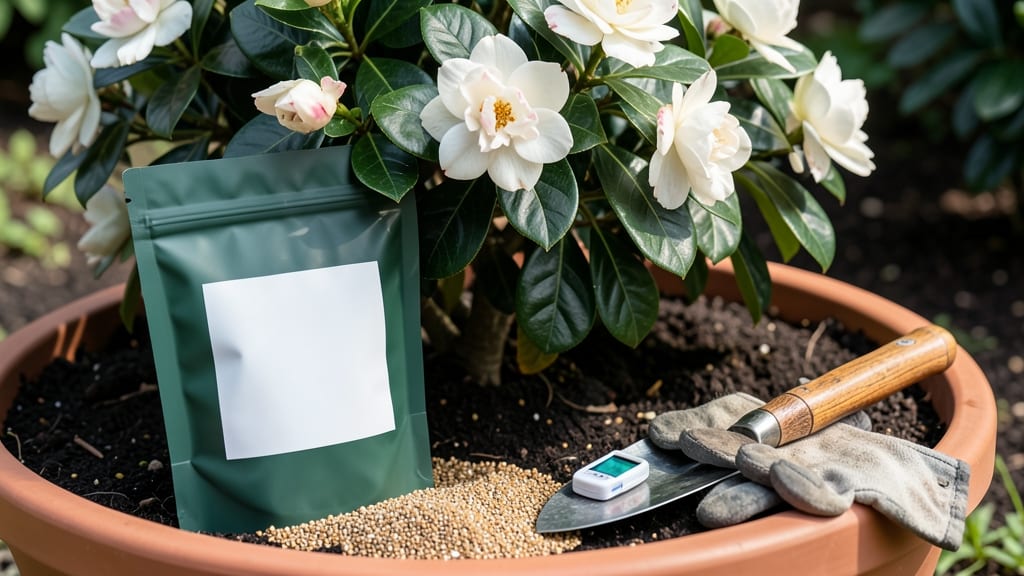
Fertilizing gardenia flowers with the right gardenia flower fertilizer can turn your 🌸 gardenia bushes into a fragrant paradise, but most gardeners overdo it—leading to leaf burn or weak blooms.
If you’ve ever struggled to get those coveted, intoxicatingly fragrant white blooms, the issue likely isn’t your watering or light—it’s the fertilizer.
Gardenias thrive on a pH-balanced, low-nitrogen formula that mimics their natural tropical soil, and getting it wrong can mean the difference between a bush full of blooms and one with sparse, weak flowers.
In this guide, I’ll walk you through the science-backed fertilizer ratios, organic vs. synthetic options, and the exact application schedule to maximize fragrance and bloom density—without overfeeding. You’ll also learn how to spot nutrient deficiencies early and adjust your care routine for year-round success.
Whether you’re using store-bought blends or DIY organic mixes, these step-by-step tips will help you avoid common mistakes and keep your gardenias thriving from spring through fall.

The science-backed pH-balanced fertilizer formula for gardenia blooms
If your gardenias are throwing fewer blooms or producing weak fragrance, the issue likely stems from an imbalanced fertilizer or unadjusted soil pH. Gardenias thrive in acidic, nutrient-rich soil with a precise NPK ratio that prioritizes blooms over foliage.
The key? A low-nitrogen, high-phosphorus blend with micronutrients tailored to their tropical roots.
Most gardeners overlook the pH sensitivity of gardenias, which demand a 4.5–6.0 pH range for optimal nutrient uptake. Outside this range, even the best fertilizer becomes ineffective. My science-backed formula combines organic and synthetic options to deliver fragrant, abundant blooms while avoiding root burn or nutrient toxicity.
Here’s the breakdown of the ideal fertilizer blend for gardenias, including NPK ratios, micronutrients, and pH adjustment steps to unlock their full potential.
🌿 Visual Guide: Gardenia Fertilizer Formula
For synthetic fertilizers, I recommend a 10-10-10 or 8-3-9 blend labeled for acid-loving plants. Look for products like Miracle-Gro Azalea, Camell
Step-by-step guide: how to apply gardenia flower fertilizer without burning roots
Your gardenia’s fragrant blooms depend on timely, balanced feeding—but overdoing it can burn delicate roots and stifle growth. The key is precision timing and proper dilution, whether you’re using liquid fertilizers or granular blends.
Let’s break down the monthly feeding schedule and techniques to keep your gardenia thriving without stress.
Gardenia bushes thrive with spring-to-fall fertilization, but their dormant winter months require zero feeding. Start feeding in early spring (March-April) as new growth appears, then shift to monthly applications through summer.
In late summer, taper off to avoid late-season growth that won’t harden off before winter. Always use acid-loving plant fertilizer with an NPK ratio of 10-10-10 or 8-3-9 to encourage blooms.
Step-by-Step Fertilizer Application
- 1 Choose the Right Fertilizer: Use a balanced acid fertilizer (pH 5.5-6.5) like 10-10-10 or 8-3-9. For organic options, try fish emulsion or composted pine bark.
- 2 Dilute Liquid Fertilizer: Mix 1 tbsp fertilizer per gallon of water. For potted gardenias, halve the dose to ½ tbsp per gallon to prevent root burn.
- 3 Apply Granular Fertilizer: Sprinkle 1 tbsp per plant (or 1 tbsp per sq ft for potted plants) around the root zone, avoiding the stem. Gently scratch into the top 1-2 inches of soil.
- 4 Water Thoroughly: After applying, deep-water the plant to help fertilizers dissolve and reach roots. Use 1-2 gallons per plant for in-ground bushes or ½ gallon for potted plants.
- 5 Monitor for Signs of Stress: Yellowing leaves or stunted growth may signal over-fertilization. Flush the soil with water to dilute excess nutrients.
For liquid fertilizers, always apply in the early morning to allow the plant to metabolize nutrients before the heat of the day. If you notice brown leaf tips or crispy edges, you’ve likely overdone it.
Reduce the fertilizer dose by half and increase watering frequency to help the plant recover.
In late summer, switch to a low-nitrogen fertilizer (like 5-10-10) to support root strengthening before winter dormancy. Avoid fertilizing entirely from October through February, as gardenias rest during colder months. Resume feeding in early spring as buds begin to form.
Pro tip: Pair your fertilizer routine with regular pruning after blooming to encourage new growth and more flowers next season. Always use sterilized pruners to prevent disease spread. With this seasonal feeding schedule, your gardenia will reward you with lush foliage and abundant, fragrant blooms year after year. 🌸