
How To
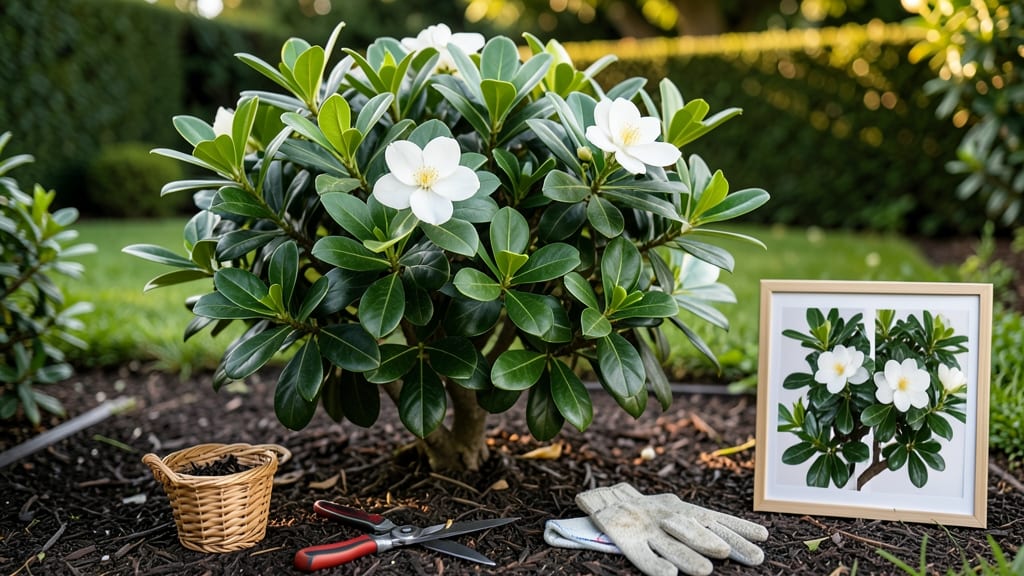
To trim gardenia bushes for next year’s fragrant blooms, wait until late summer or early fall—right after the flowers fade but before new growth starts.
Your gardenia bushes are the crown jewels of your garden—fragrant, lush, and full of beauty—but timing their pruning wrong can mean fewer blooms next season. One wrong cut at the wrong time, and you might sacrifice that intoxicating scent or even invite disease.
Most gardeners rush to prune in spring, but that’s the worst time—you’ll be trimming off next year’s flower buds before they even form. The key is patience: let the blooms fade naturally, then act quickly before winter sets in.
In this guide, I’ll walk you through the exact steps to prune your gardenias—when to cut, how much to remove, and how to shape them for a bushier, healthier look without sacrificing those heavenly flowers.
Best time of year to prune gardenia bushes for maximum blooms
Timing your gardenia pruning correctly is the secret to abundant blooms next season. These tropical beauties thrive when pruned after their summer flowering cycle, but the exact window depends on your USDA zone and climate.
Prune too early, and you risk cutting off next year’s buds; too late, and you invite pests or disease. The ideal pruning window is late summer to early fall, just as blooms begin fading and leaves show subtle color changes.
Gardenia bushes bloom on new wood, meaning fresh growth produces flowers. If you prune in late winter or early spring, you’re removing potential bloom sites. Instead, focus on post-bloom shaping to encourage dense, fragrant foliage and next year’s flowers.
This approach aligns with their natural growth rhythm, especially in USDA zones 8-11, where gardenias flourish year-round or with mild winters.
Look for these visual cues to time your pruning perfectly: wilted blooms turning brown, leaves yellowing slightly at the edges, and new growth slowing down. These signs signal the plant is shifting from active flowering to recovery mode—the perfect moment to trim.
In humid climates (zones 9-11), act sooner; in drier zones (8), wait until early fall to avoid stress.
🌸 When to Trim Gardenia Bushes: Seasonal Comparison 🌸
| Pruning Window | Key Visual Cues | USDA Zones | Purpose | Avoid |
|---|---|---|---|---|
| Late Summer (Aug-Sept) | Blooms fading, leaves yellowing | 8-11 | Post-bloom shaping | Disease risk |
| Early Fall (Oct-Nov) | New growth slowing | 8-10 | Rejuvenation cuts | Winter stress |
| Late Winter (Feb-Mar) | Dormant, no blooms | 9-11 | Light shaping only | Bud removal |
In USDA zone 8, where winters can dip below freezing, prune gardenias in late summer (August) to avoid early frost damage. This timing lets the plant recover before cold snaps.
For zones 9-11, stretch your pruning into early fall (October), as mild winters allow longer growth periods. The goal is to encourage new wood before the plant enters dormancy or slows growth due to heat.
If you live in a humid climate (e.g., Florida, Hawaii), prune gardenias earlier (July-August) to prevent fungal issues from lingering moisture. In arid regions (e.g., Southern California), delay until September to let the plant store water for winter.
Always prioritize post-bloom timing—this ensures you’re not sacrificing next year’s fragrant flowers for a quick shape-up.
One common mistake is pruning gardenias in spring, which removes potential bloom sites. Instead, use this season for light maintenance: remove only dead or crossing branches that could choke growth.
Save heavy pruning for late summer, when the plant’s energy shifts from flower production to foliage recovery. This balance is key to a healthy, blooming gardenia.
For overgrown gardenias, spread pruning over 2-3 years to avoid shock. In year one, trim 1/3 of the oldest wood; in year two, focus on shaping and deadheading.
This gradual approach mimics natural pruning and reduces stress. Pair your cuts with a light fertilizer (like 8-3-9) to support new growth without overstimulating the plant before winter.
Pro tip: Sterilize your pruning shears with rubbing alcohol before and after trimming to prevent bacterial spread. Gardenias are prone to sooty mold and powdery mildew, especially in humid areas.
Clean tools and avoid pruning when leaves are wet to minimize risks. After trimming, mulch around the base with acidic compost to protect roots and retain moisture.
Remember, gardenias reward patience. If you’ve missed the late-summer window, don’t panic—just wait until early fall. The key is to never prune when buds are forming (typically late winter to early spring).
By aligning your pruning with the plant’s natural cycle, you’ll enjoy lush, fragrant blooms for years to come. 🌿
Step-by-step pruning guide: how to trim gardenias without killing future flowers
Pruning your gardenia bushes at the wrong time can turn next year’s fragrant blooms into a sparse disappointment. The key? Timing and technique—cut too late, and you risk stunted growth; use dull shears, and you invite disease.
I’ll walk you through the exact steps to shape your gardenias while preserving their flowering potential.
Before you even reach for your pruning shears, prep is everything. Sterilize your tools with rubbing alcohol to prevent bacterial spread, and inspect each branch for dead or diseased wood. Gardenias are sensitive, so patience and precision will pay off with healthier growth and more blooms.
- Step 1: Wait until after blooming—typically late summer to early fall (August-September in most USDA zones 8-11).
- Step 2: Look for wilted flowers and green seed pods—these signal it’s safe to prune.
- Step 3: Avoid pruning in winter (unless shaping lightly) to prevent frost damage to new growth.
- Step 4: In mild climates (zones 10+), you can prune year-round, but always post-bloom.
- Step 5: Never prune in spring—this cuts off next year’s flower buds that form in late summer.
Start with deadheading—snip off spent blooms just above the leaf node to redirect energy to new growth. Use sharp, clean shears and make cuts at a 45-degree angle to prevent water pooling.
For shaping cuts, remove up to one-third of the oldest branches to encourage airflow and sunlight penetration.
If your gardenia looks overgrown or woody, it’s time for a rejuvenation prune. Cut back half the plant to the ground level in stages over 2-3 years—never more than 30% at once.
This drastic approach works best in early spring (before new growth starts) and requires extra fertilizer and water afterward.
Avoid these costly mistakes: pruning with dull shears (they tear tissue), cutting into old wood (it won’t regrow), or trimming in hot afternoons (stresses the plant). Always water deeply after pruning to help recovery.
With the right timing and technique, your gardenias will reward you with lush foliage and heavier blooms next season.
🌸