
Pruning
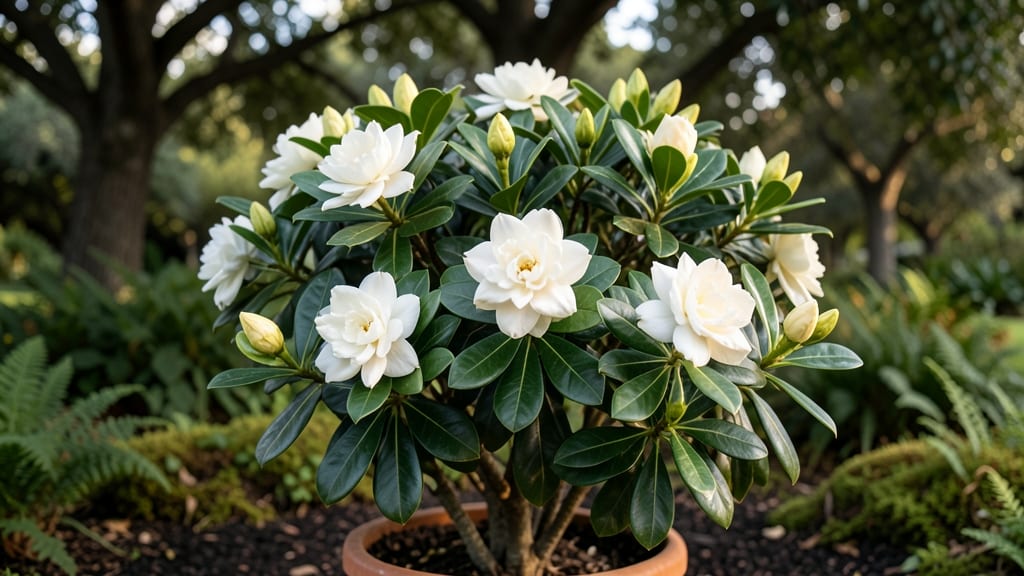
A gardenia bush height can range from 2 feet to over 6 feet, depending on the variety and care you provide 🌸 — but most gardeners struggle to keep it at their desired size without sacrificing those signature blooms.
Picture this: You’ve spent months nurturing your gardenia, only to watch it shoot up like a weed, crowding out your patio furniture or overshadowing smaller plants. The good news? You don’t have to live with a towering shrub or resort to drastic pruning.
Understanding natural growth patterns and a few simple techniques can help you shape your gardenia’s height without stress.
Whether you’re dealing with a dwarf variety that stays compact or a standard gardenia reaching for the sky, the key lies in pruning at the right time, feeding it properly, and giving it the right light.
These factors don’t just control height—they also boost blooms and keep your plant healthy for years.
In this guide, I’ll walk you through everything you need to know: from recognizing the signs of overgrowth to mastering the art of pruning for a bush that stays just the right size—lush, fragrant, and perfectly proportioned to your space.

Natural gardenia bush height: how tall can they grow and why?
If you've ever wondered why your gardenia bush seems to grow taller than expected—or why some varieties stay compact while others reach towering heights—the answer lies in genetics, care practices, and environmental factors.
Gardenias, particularly the beloved Gardenia jasminoides, are known for their fragrant blooms and lush foliage, but their mature height can vary dramatically depending on the variety and growing conditions. Understanding these factors will help you manage your gardenia's growth naturally, without sacrificing its beauty or health.
The maximum height of a gardenia bush is primarily determined by its genetic makeup. Some varieties are bred to stay small, like dwarf gardenias, which typically reach just 2-3 feet tall, making them perfect for containers or small gardens.
On the other hand, standard gardenias can grow as tall as 6 feet or more, requiring more space and careful pruning to maintain. The key to controlling height starts with choosing the right variety for your space and growing conditions.
| Variety | Mature Height | Growth Rate | Ideal Use |
|---|---|---|---|
| Dwarf Gardenia | 2-3 ft | Slow to moderate | Containers, small gardens, patios |
| Semi-Dwarf Gardenia | 3-4 ft | Moderate | Borders, foundation plantings |
| Standard Gardenia | 4-6 ft | Moderate to fast | Hedges, privacy screens, large gardens |
| Large Gardenia (e.g., 'Kleim's Hardy') | 6-8 ft | Fast | Specimen plant, large landscapes |
Beyond genetics, sunlight exposure plays a critical role in how tall your gardenia grows. While gardenias thrive in partial shade, they need at least 4-6 hours of morning sunlight to encourage healthy growth and blooming.
Too much direct sunlight, especially in hot climates, can stress the plant and lead to overgrowth or leggy stems. Conversely, insufficient light can slow growth and reduce flowering, making the bush appear smaller than expected. Balancing sunlight is key to achieving the ideal height for your variety.
Another factor that often surprises gardeners is the soil quality and pH level. Gardenias are acid-loving plants, thriving in soil with a pH between 5.0 and 6.5.
If your soil is alkaline or lacks organic matter, the plant may struggle to absorb nutrients efficiently, leading to stunted growth or weak stems. Amending the soil with peat moss or compost and using an acid-forming fertilizer can promote healthier, more controlled growth.
Proper soil conditions ensure your gardenia reaches its genetic potential without unexpected height spikes.
Many gardeners assume that over-pruning will keep a gardenia bush short, but this is a common misconception. While pruning is essential for shaping and encouraging bushier growth, aggressive pruning can actually stimulate the plant to grow taller as it compensates for lost foliage.
Instead, focus on light pruning after flowering to maintain shape and remove dead or overcrowded branches. Prune in early spring to encourage new growth and blooms while keeping the bush at your desired height.
Climate also influences gardenia height, particularly in warmer regions. Gardenias grown in USDA Zones 8-10 tend to grow taller and faster due to longer growing seasons, while those in cooler climates may stay smaller.
If you live in a colder zone, consider growing gardenias in containers so you can move them indoors during winter. This not only protects them from frost but also helps control their height by limiting their root space and exposure to extended growing conditions.
One of the biggest myths about gardenia height is that they will grow uncontrollably if left unchecked. While it's true that some varieties can reach impressive heights, their growth rate slows significantly once they reach maturity, typically within 3-5 years.
Understanding this natural growth cycle helps you plan for long-term care. For example, a standard gardenia planted in your yard may grow 1-2 feet per year in its first few years but will eventually plateau, requiring only minimal pruning to maintain its shape.
To ensure your gardenia stays at the desired height, monitor its growth throughout the season and adjust care practices accordingly. For instance, if you notice new shoots growing taller than you'd like, you can pinch back the tips in early summer to encourage bushier growth.
Additionally, mulching around the base of the plant helps retain moisture and regulate soil temperature, which can slow rapid vertical growth. These small adjustments make a big difference in managing your gardenia's height naturally.
If you're planting gardenias in your landscape, always consider their mature size when choosing locations. A 6-foot gardenia planted too close to a patio or driveway will eventually overshadow the area, while a dwarf variety in a large open space may look out of place.
Spacing gardenias 3-5 feet apart (depending on the variety) gives them room to grow without crowding other plants. This thoughtful placement ensures your gardenia thrives while fitting seamlessly into your garden design.
In summary, the height of your gardenia bush is a combination of its genetic potential, the care you provide, and the environment it grows in.
By selecting the right variety, providing optimal sunlight and soil conditions, and practicing strategic pruning, you can enjoy a beautifully proportioned gardenia that fits perfectly in your garden—without the stress of runaway growth. With the right approach, your gardenia will reward you with fra
Step-by-step pruning guide to control gardenia bush height naturally
Pruning your gardenia bush is the key to keeping it at your desired height while encouraging lush, fragrant blooms. Unlike many shrubs, gardenias respond best to light pruning—over-trimming can stress the plant and reduce flowering.
The goal is to shape the bush and control vertical growth without sacrificing its signature sweet aroma.
Timing is everything! I always prune my gardenias right after flowering (late spring to early summer) to avoid cutting off next year’s bloom buds. This is when the plant naturally enters a growth phase, making it the perfect time to shape and trim without harming future blooms.
Avoid heavy pruning in fall or winter, as this can leave your gardenia vulnerable to cold damage.
🌿 Step-by-Step Pruning Guide
- 1 Gather the right tools: Use clean, sharp pruners or bypass shears to make precise cuts. Disinfect your tools with rubbing alcohol to prevent disease spread.
- 2 Identify dead or weak branches: Remove any brown, leafless stems or crossing branches first. These take up energy and can stunt healthy growth.
- 3 Shape the bush: Cut back overly long branches by 1/3 of their length to encourage bushier growth. Focus on vertical stems to reduce height.
- 4 Prune for airflow: Thin out dense inner branches to improve air circulation and reduce fungal risks. Aim for an open, rounded shape.
- 5 Clean up: Remove all pruned debris from the base of the plant to prevent pests or disease. Apply a mulch layer to retain moisture.
- 6 Fertilize lightly: After pruning, feed with a balanced acid fertilizer (like 10-10-10) to support new growth and bloom production.
When pruning, always cut just above a leaf node or bud to encourage new growth in the right direction. Avoid topping (cutting the very top of the plant), as this can lead to weak, leggy growth and fewer blooms.
Instead, focus on selective trimming to maintain a compact, bushy shape.
For dwarf varieties, like Gardenia 'Radicans', you can prune more frequently to keep them under 3 feet tall. Standard varieties may need annual pruning to stay between 4-6 feet.
Remember, patience is key—gardenia bushes grow slowly, so gradual pruning yields the best results without shocking the plant.
After pruning, monitor your gardenia for new growth and adjust future cuts as needed. With consistent care, your gardenia will stay at your desired height while producing abundant, fragrant blooms year after year. Happy pruning! 🌸