
Size
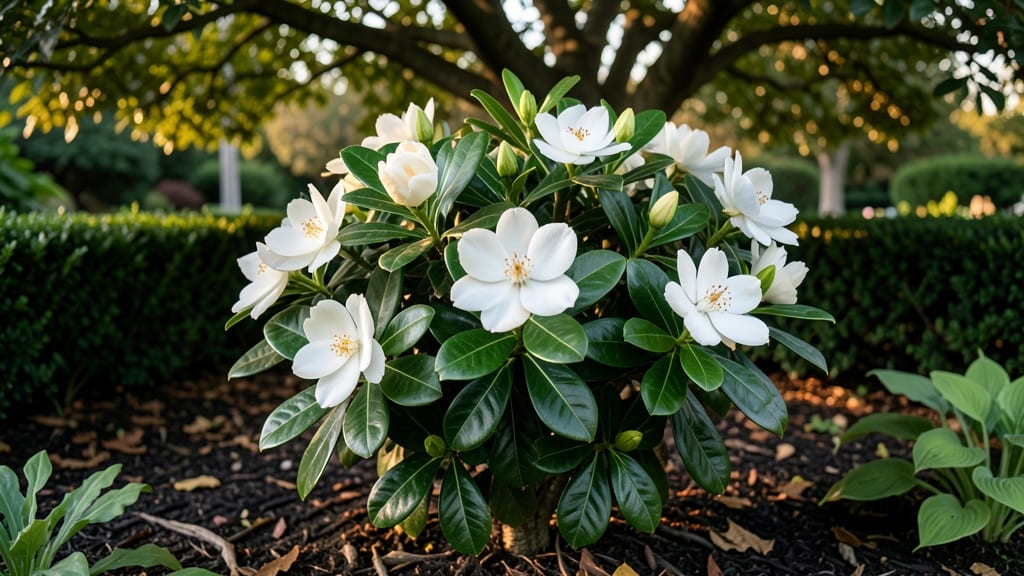
Protecting the frost-proof gardenia height is all about smart pruning and variety choice—because the wrong cuts can turn your 6-foot beauty into a frost-shrunken stump overnight.
Cold winters can devastate gardenias—but with the right pruning techniques, you can keep these fragrant beauties thriving even in frost-prone climates. The secret lies in understanding frost-proof gardenia height and strategic trimming.
Most gardenias top out at 4-6 feet, but in colder zones (8a-11), maintaining a 3-foot height or lower is key to survival. Below, I’ll show you how to prune for frost resilience without sacrificing those iconic white blooms.
You’ll learn which varieties handle cold best, when to trim for winter hardiness, and how mulching can add an extra 2-3°F of protection to the roots—because sometimes, the smallest adjustments save the whole plant.

How frost-proof gardenia height affects survival and growth
When winter rolls in, gardenias—especially frost-sensitive varieties—often suffer from cold damage that can kill branches or even the entire plant. The key to survival? Managing height strategically. Taller gardenias (over 4 feet) lose more heat through exposed branches, while shorter, bushier plants retain warmth better.
Understanding this balance helps you prune for frost resistance without sacrificing those iconic white blooms.
Not all gardenias are created equal when it comes to frost tolerance. Dwarf varieties (like 'Radicans') naturally stay under 3 feet, making them ideal for colder zones, while standard types (up to 6 feet) need aggressive winter prep.
The right height isn’t just about aesthetics—it’s about survival. A well-pruned gardenia with a compact shape can handle 20°F temperatures, while an unchecked tall shrub may suffer branch dieback at just 28°F.
| Variety Type | Mature Height | Frost Tolerance (°F) | Pruning Height for Frost |
|---|---|---|---|
| Dwarf (e.g., 'Radicans') | 2–3 ft | 18–22°F | Trim to 1.5–2 ft |
| Semi-Dwarf (e.g., 'Kleim's Hardy') | 3–4 ft | 20–24°F | Trim to 2.5–3 ft |
| Standard (e.g., 'Veitchii') | 4–6 ft | 25–28°F | Trim to 3–4 ft |
| Climbing (e.g., 'Fortuniana') | 6–10 ft (if unpruned) | 22–25°F | Train to 4–5 ft max |
Why does height matter so much? Heat loss is the enemy. A 6-foot gardenia has 3x more surface area exposed to cold air than a 3-foot shrub, making it far more vulnerable to frost damage.
When temperatures drop below 32°F, water in the plant’s cells freezes, causing cell rupture. Shorter plants have less exposed foliage, so their core stays warmer longer.
Even if you mulch heavily or use frost cloth, a tall, unpruned gardenia will still struggle to survive hard freezes.
Another critical factor is air circulation. Dense, bushy gardenias (pruned to 3 feet or less) allow better airflow around branches, reducing moisture buildup that can lead to fungal diseases in damp winters. Poor circulation also traps cold air against the plant, accelerating frost damage.
If your gardenia is taller than 4 feet, consider thinning out the center to improve airflow while keeping the overall height manageable.
Pruning for height isn’t just about winter survival—it also boosts next year’s blooms. Gardenias produce flowers on new wood, meaning aggressive pruning in late winter (after the last frost risk) encourages stronger regrowth. If you over-prune in fall, you’ll sacrifice next summer’s blooms.
Instead, aim to reduce height by 25–30% in late winter, focusing on removing dead or weak branches first. This keeps the plant compact and resilient while maximizing flower production.
For gardeners in USDA Zones 7–8, where winters dip below 20°F, the best strategy is to prune gardenias to under 3 feet by late fall. Use sharp, sterilized shears to make clean cuts just above bud nodes (the small bumps where leaves or branches grow).
Avoid topping (cutting straight across the top), as this creates unsightly stubs and weak regrowth. Instead, shape the plant like a rounded dome to distribute weight and improve frost resistance.
One common mistake is assuming bigger isn’t better. While a 6-foot gardenia might look impressive, it’s far more frost-vulnerable than a 3-foot shrub.
If you love the look of taller gardenias, opt for dwarf or semi-dwarf varieties or train climbing types on a trellis where you can control their height. Even standard varieties can be pruned back annually to stay under 4 feet, making them far easier to protect in cold climates.
Don’t forget about mulching—it’s your best friend for frost-proof gardenias. Apply a 4–6 inch layer of mulch (like pine straw or shredded bark) around the base of the plant in early
Step-by-step pruning guide for frost-proof gardenias by season
Pruning your gardenias at the right time and height is key to surviving frost-prone winters. The goal is to harden the plant while maintaining a compact, frost-proof structure.
For most frost-resistant varieties, aim to keep mature plants between 3-4 feet tall—this reduces cold exposure to the central growth points where frost damage starts. Start with light pruning in spring, then adjust throughout the year to encourage thicker, bushier growth that resists cold better.
Seasonal pruning isn’t just about cutting back—it’s about strategic shaping. In spring, focus on removing dead wood and thinning crowded branches to improve air circulation. By summer, you’ll trim to control height and encourage new growth before fall’s chill sets in.
Finally, a light pruning in late fall helps the plant prepare for winter while avoiding frost damage to fresh cuts. Let’s break down the exact steps for each season to keep your gardenias thriving.
🌿 Seasonal Pruning Steps for Frost-Proof Gardenias
- 🌱 Spring (March-May): Prune dead or diseased branches first—cut back to the healthiest outward-facing bud. Thin out crossing branches to improve airflow. For height control, trim 1/3 of the tallest growth to maintain a 3-4 ft height.
- ☀️ Summer (June-August): Lightly shape the plant after spring blooms fade. Remove overly leggy growth to encourage bushier regrowth. Avoid heavy pruning—focus on pinching back tips to promote compact, frost-resistant branches.
- 🍂 Fall (September-October): Do a light cleanup prune to remove weak or sparse branches. Avoid heavy cuts—this helps the plant harden off before frost. Aim to keep the outer canopy dense to protect inner growth.
- ❄️ Winter (November-February): Skip pruning entirely—fresh cuts won’t heal in cold weather. Instead, mulch heavily (3-4 inches) around the base to insulate roots and protect against frost penetration.
Pro Tip: Always use sterilized shears to prevent disease spread, and prune on a dry, sunny morning for faster healing.
When pruning for frost resistance, focus on creating a rounded shape—this allows snow to accumulate and insulate the plant. Avoid sharp angles or tall central leaders, as these collect frost and cold air.
For dwarf varieties (like 'Radicans'), keep them at 2-3 feet tall—their natural compactness makes them naturally frost-proof.
After pruning, apply a balanced fertilizer (10-10-10) to stimulate new growth before winter. This helps the plant develop thicker bark and hardier stems by next season. Water deeply before the first frost to hydrate the roots and improve cold tolerance.
Pair this with 3-4 inches of mulch to lock in moisture and insulate the soil.
Remember, over-pruning weakens gardenias—they rely on last year’s growth for frost resistance. If you’ve heavily pruned in spring, skip summer shaping and focus on light maintenance to avoid stress. The goal is a balanced, bushy plant that can withstand cold snaps while still producing fragrant blooms year after year.
With this seasonal approach, your gardenias will thrive in frost-prone zones, blooming beautifully even when temperatures dip. The key is consistency—prune at the right time, maintain ideal heights, and protect vulnerable growth to keep these tropical beauties frost-proof and flourishing.